

The Globe Union Endura Was the Tesla of 45 Years Ago
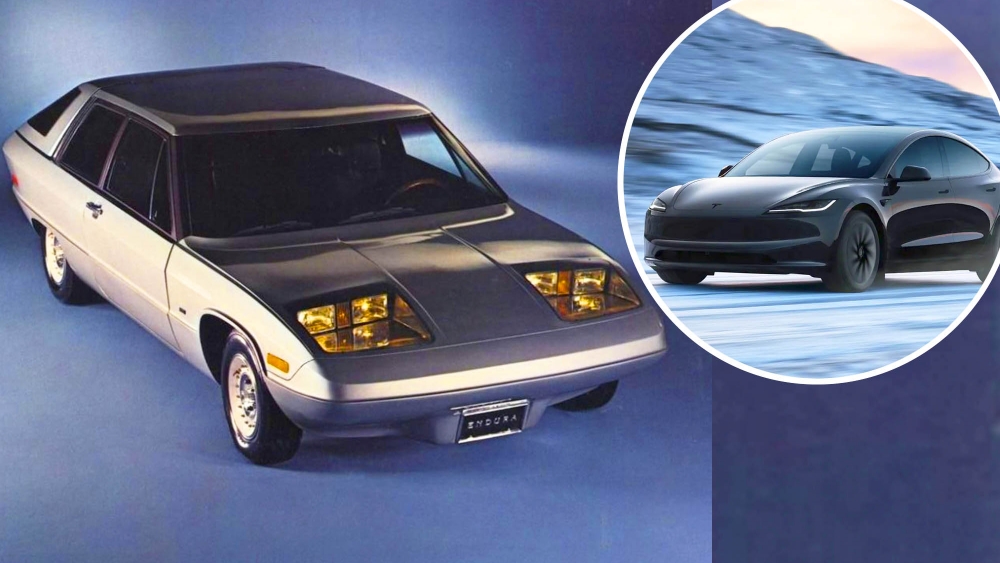
In 1978—well before the revolution Tesla would spark in the electric vehicle industry—the American firm Globe Union (at the time a major battery supplier for Ford and other manufacturers) unveiled a prototype that is now considered a conceptual precursor to modern electric cars.
In the wake of the intensifying oil crisis triggered by the 1973 Arab oil embargo, the automotive sector began exploring alternatives to the traditional internal combustion engine. Against this backdrop, Globe Union commissioned engineer Bob McKee to develop two electric vehicles: the Endura and the Maxima.
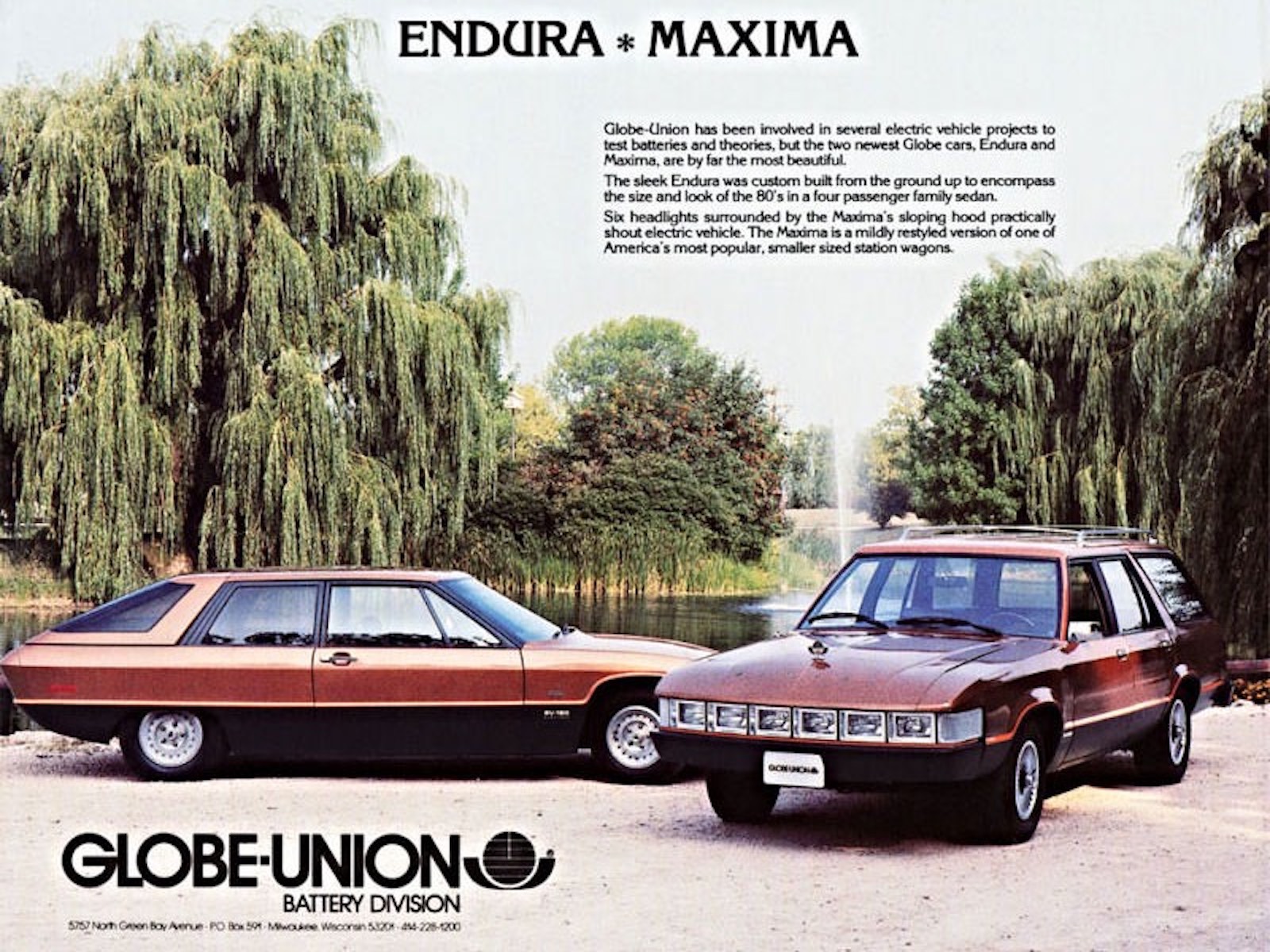
The ‘Teslas’ of Nearly 50 Years Ago.
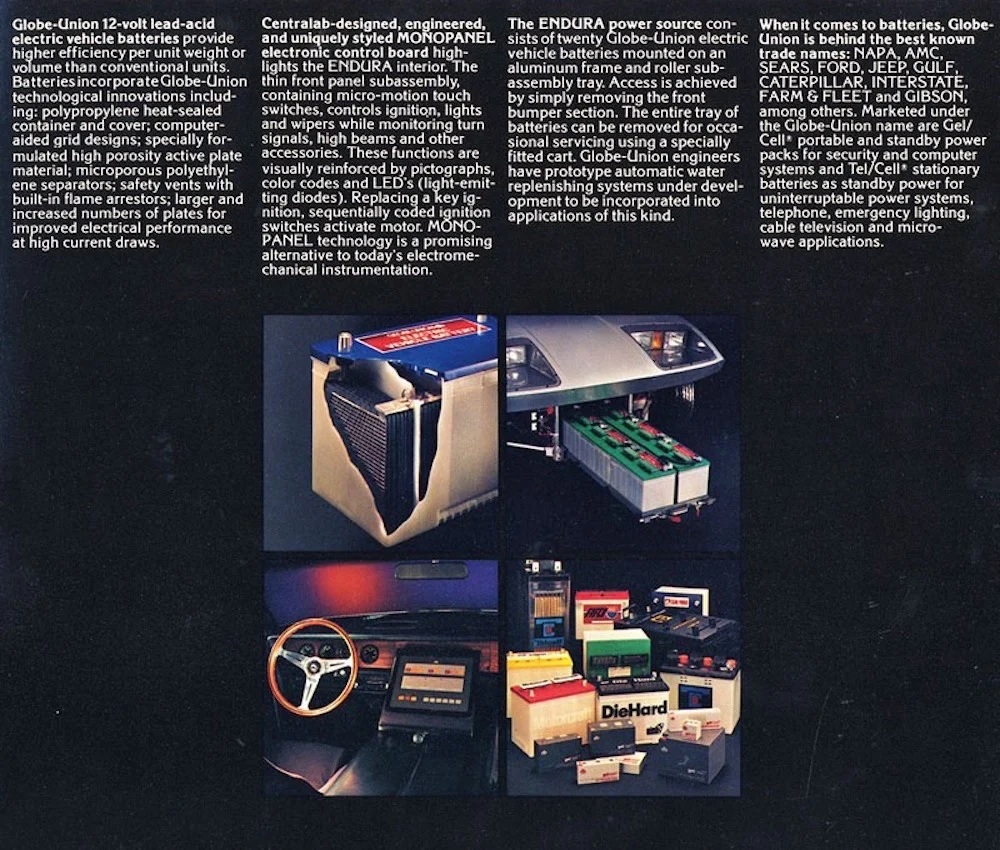
The launch of the Globe Union Endura was intended as a demonstration of technical capabilities using the technology available at the time, rather than as a fully developed commercial product. Its design featured a lead-acid battery—the dominant technology of the era—unlike the lithium batteries that today enable driving ranges of hundreds of kilometers. The chassis incorporated a "central tunnel," a design feature inspired by the advanced engineering found in sports cars of that period.
The powertrain consisted of a 14.7 kW (20 hp) electric motor supplied by General Electric. Equipped with this high-end motor, the Endura could reach a top speed of over 100 km/h, though it was recommended not to exceed 56 km/h to ensure a real-world range of approximately 160 km. These figures are comparable to those of current Tesla Model 3 and Model Y models, which offer a range of around 400–500 km per charge.
Its fiberglass bodywork and total weight of 1,450 kg (with 580 kg accounted for by the batteries) gave the vehicle an unconventional appearance for its time. The vehicle's design allowed for its conversion into a pickup-style configuration by replacing a rear panel, demonstrating a clear intent to offer versatility in use.
Inside the cabin, the Endura featured components that seemed ahead of their time—such as a dashboard equipped with an LED display and microswitches—an unusual feature in the automotive industry of the late 1970s.
Despite technical progress, market and economic realities prevented the project from succeeding. Only three units were completed: two went to Globe-Union and one to McKee. There was no investment from stakeholders interested in electric vehicle technology development during the post-oil-crisis economic recovery, a time when gasoline prices were falling. Nor was there significant public or regulatory demand for zero-emission vehicles of the kind that currently drives the market.
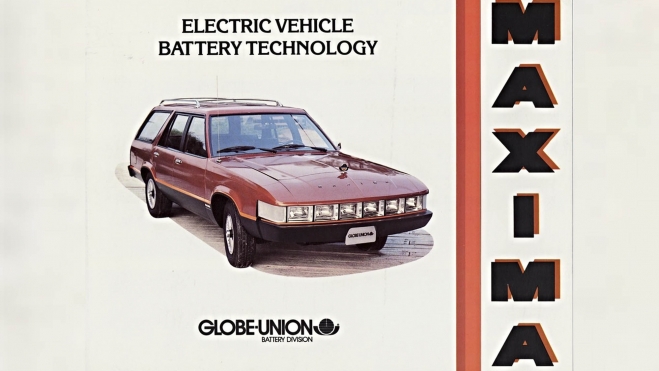
In 1980, the Maxima was unveiled; it was based on a Ford Fairmont Wagon body and equipped with the same powertrain. However, this second prototype also failed to reach mass production.
The vehicle known as the Globe-Union Endura represents one of the intermediate stages in the evolution of electric vehicles. From the first electric cars of the late 19th century to the current wave of electrification led by companies like Tesla, Volkswagen, Renault, BMW, and BYD, the sector has gone through successive phases of innovation, setbacks, and recovery.
Models like the GM EV1 from the 1990s were also ahead of their time in terms of the zero-emissions concept; however, it was the commercial success of cars such as the Nissan Leaf (offering a 200 km range since 2010) and the Tesla Model 3 (with a range exceeding 400 km and millions of units sold) that cemented electric mobility within the global industry.
The Globe-Union Endura, therefore, represents a forgotten milestone: one of the first vehicles to envision electric mobility using structural solutions similar to those seen today—such as platform-integrated batteries and a design geared toward daily use. Yet, the economic, technological, and cultural context of the era doomed it to never become a production vehicle.
It is important to note that innovations depend not only on engineering but are also shaped by market conditions and policies that foster a paradigm shift. The Endura did not reach the level of innovation achieved by Tesla, but it laid the groundwork for several features that are now considered standard in 21st-century electric vehicles.