

Download the audio
- Introduction.
The class develops that the cheaper an electric car is, the more expensive it is to replace the battery and electric motors.
- The repairability of electric cars.
The low maintenance required for electric vehicles is one of their main selling points, since, lacking complex mechanical components, they are more affordable. In theory, the environmental impact of these vehicles is minimal, as they rarely require visits to the dealership, or at least far less frequently than a gasoline-powered car.
However, this situation has led to an unintended consequence: a setback in the right to repair and the repairability of electric cars. According to data provided by EV Clinic, European specialists in the repair of electric and hybrid vehicles, there is a significant discrepancy in the costs of replacement parts for electric cars. The most affordable brands ultimately turn out to be the most expensive.
- Batteries that cost more than the car itself.
The cost of replacing an electric vehicle’s battery can vary significantly, ranging from 4,000 euros to 30,000 euros, depending on the vehicle’s make and model, as well as the battery’s capacity. This situation can discourage the purchase of a used electric vehicle, due to the fear of having to pay for a replacement that exceeds the cost of the vehicle itself.
However, the battery is not the only component that carries a significantly higher cost compared to a gasoline-powered vehicle. The motor, for example, can also be extremely expensive, despite being a part that, in theory, is simpler and has far fewer moving parts than a gasoline engine. The retail price of this product is not justified by the technology used or its power, but rather by the brand.
These prices are publicly available and may vary slightly from one country to another, giving us an idea of the magnitude of the differences that can exist.
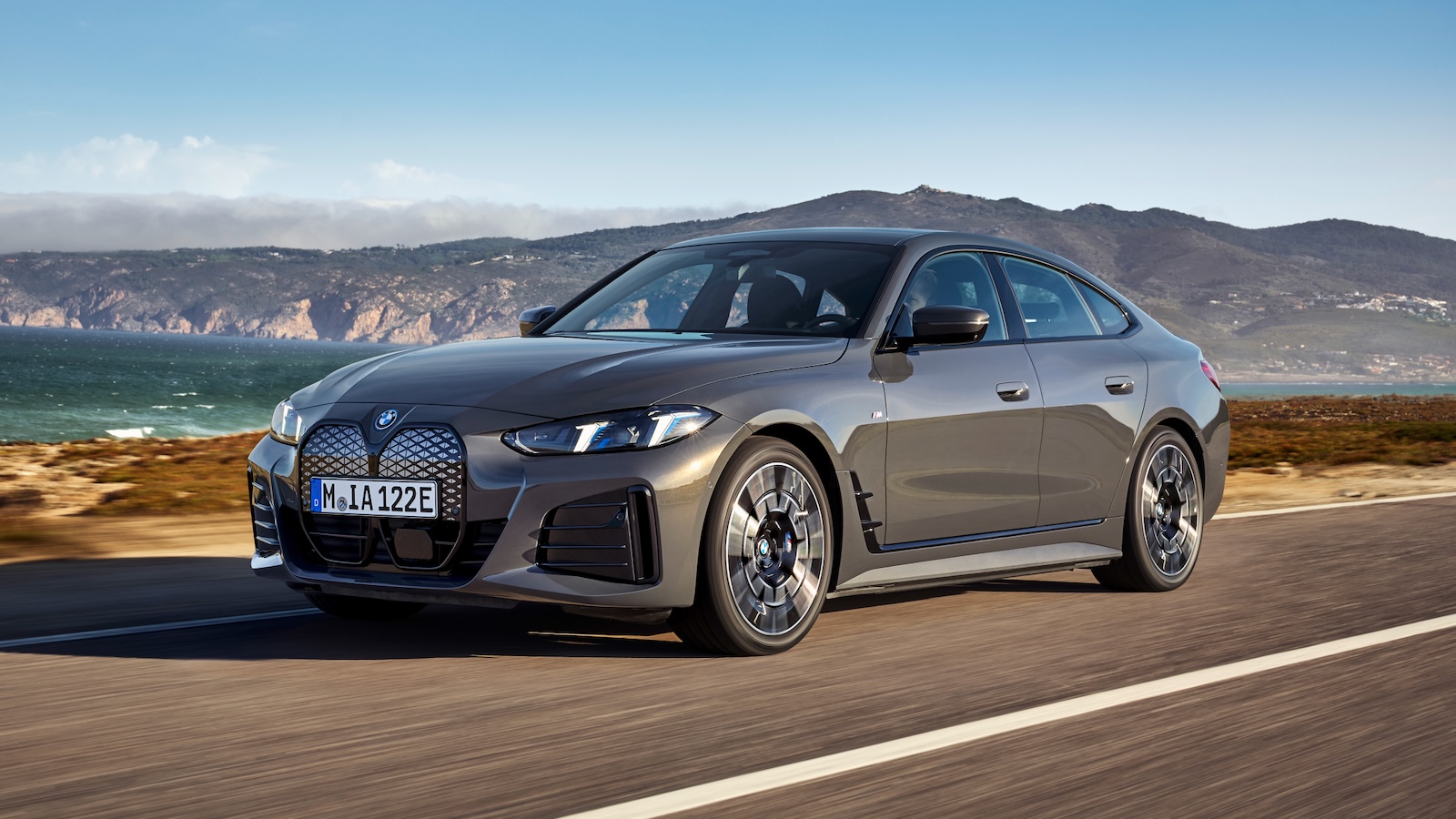
If the battery in an MG 4 Luxury with a 64 kWh battery needs to be replaced, the cost would amount to 429.50 euros per kWh, which equals 27,488 euros, not including labor costs. This vehicle, available in Spain for 32,980 euros, represents a significant investment compared to the cost of replacing the battery. In other words, the cost will be equivalent to 83% of the purchase price of a new car. The cost of replacing the battery in a BMW i4 eDrive40, which is priced at around 32,000 euros, is comparable. The purchase price is high, but this is a high-end vehicle that, under optimal conditions, exceeds 65,000 euros. However, nearly 50% of the new vehicle’s value would be paid.
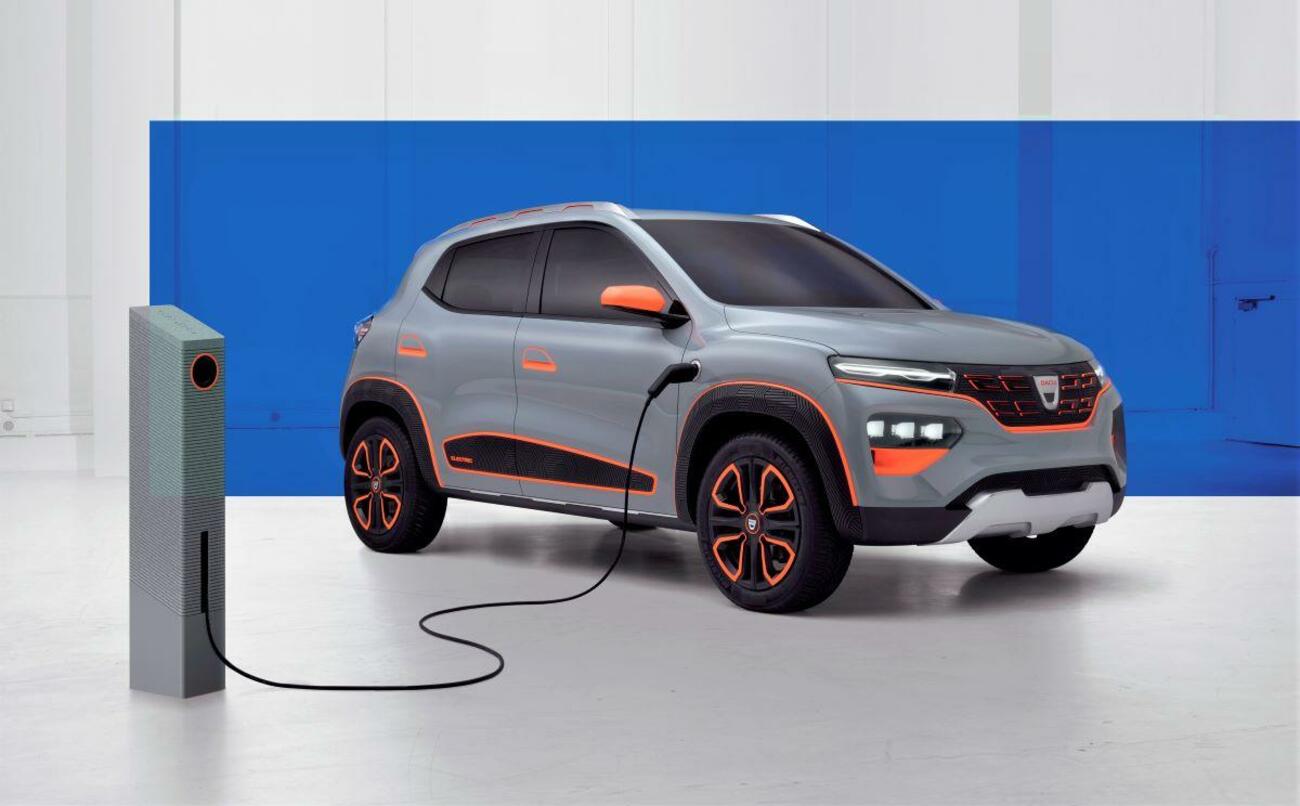
However, this pales in comparison to the cost of a battery for the Dacia Spring or the Peugeot E-208. In the case of the Dacia Spring, the battery costs over 9,600 euros, which amounts to 358 euros per kWh. As for the Peugeot, the battery cost exceeds 17,300 euros, at 386 euros per kWh. In the case of the Dacia Spring, the situation is particularly concerning, as this is a vehicle that, when new, costs just over 18,000 euros.
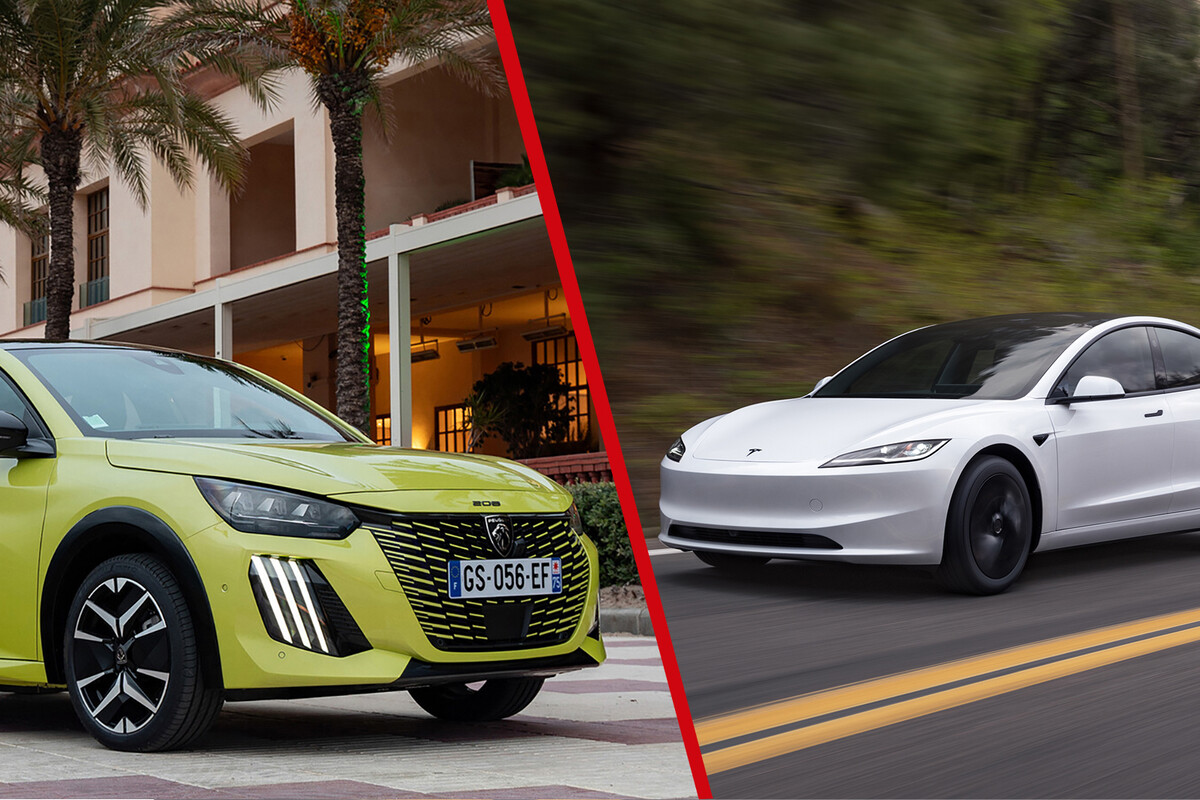
However, the batteries in a Polestar 2 or a Tesla Model 3 are significantly more affordable. The battery in the base Tesla Model 3, with a usable capacity of 57.5 kWh, that is, 10 kWh more than the Peugeot E-208, costs 8,400 euros.
In the case of the Polestar 2, the 77 kWh battery would cost around 13,500 euros. While it is true that the purchase price is high, it represents 40% of the cost of an 81 kWh BMW i4 battery. It is a fact that in the case of the Polestar 2, it is an LFP battery, which is more economical than an NMC-type lithium-ion battery, such as the one used in the BMW.
Electric motors, despite being less prone to failure than batteries and simpler than a turbocharged 4-cylinder or twin-turbo V8 engine, can be quite expensive. As for front-mounted motors, the one in a Peugeot e-208 costs 10,532 euros, which is nearly five times more than that of a 2024 rear-wheel-drive Tesla Model 3, priced at 2,265 euros. Meanwhile, the motor in a Dacia Spring costs 7,151 euros, which is nearly triple the price of the Tesla.
A similar situation is observed with rear motors. The cost of the rear motor in a Hyundai Ioniq 5 is approximately 7,000 euros, while that of a Mercedes EQS is less than 3,400 euros and that of a Tesla Model 3 is 2,294 euros.
- Why such a wide range of prices?.
The significant discrepancy in the prices of some batteries is difficult to justify, as the differences in their chemical compositions, LFP versus NMC, do not seem to fully explain this variability. The cost of an LFP battery, in terms of the cell, is approximately 45 dollars per kWh, compared to 76 dollars per kWh for an NMC cell. This difference of about 40% is not reflected in battery replacement prices, which show substantially larger differences.
However, in the case of motors, the difference is even less justifiable. It is difficult to understand how the motor in a Peugeot E-208 could be five times more expensive than that of a Tesla. Could we consider its efficiency to be five times greater than that of the Tesla model? Not at all. The Dacia Spring’s motor, with its 65 horsepower, is not significantly more powerful than that of a Tesla.
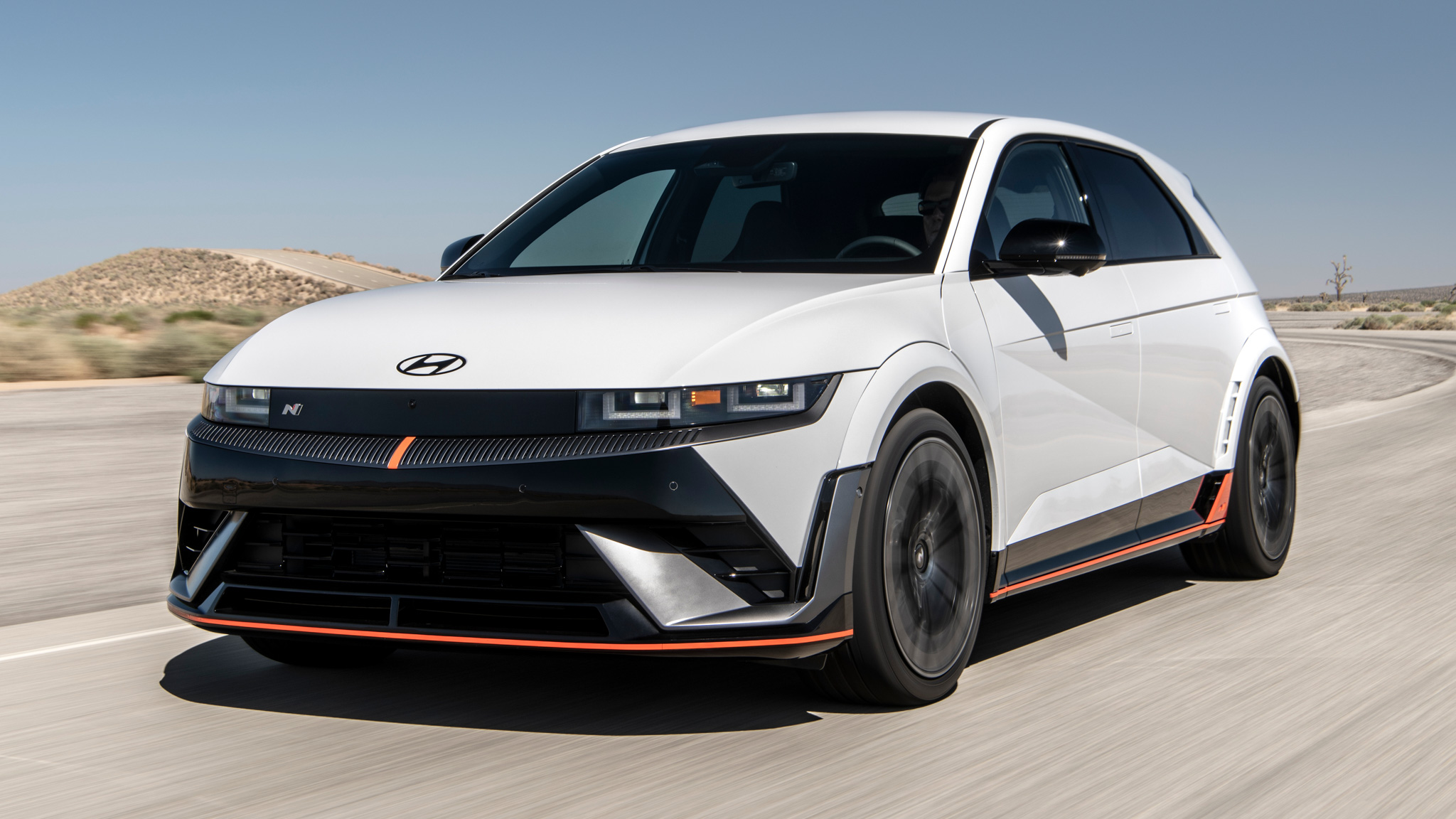
According to data provided by EV Clinic, it has been observed that more affordable vehicles have significantly more expensive replacement parts compared to luxury cars, without any technical justification for this. It is also worth noting that a growing trend among automakers is the implementation of vehicle designs that make independent repairs difficult or impossible. A recent and notable case involved the owner of a Hyundai Ioniq 5 N, who was unable to replace the brake pads on his vehicle himself due to the manufacturer’s refusal to provide specialized software costing 6,000 euros to perform the operation.
This situation forces customers to go to official dealerships or, in the case of independent repair shops, to accept proprietary protocols and technical restrictions, such as specific software, diagnostic machines, and proprietary tools. In many cases, the return on investment does not justify the cost.
However, the consequences are even more damaging in practice. Insurance companies are reluctant to declare electric vehicles a total loss, even at the first sign of doubt regarding the integrity of the battery or motor. It is worth questioning whether insurance will cover the cost of replacing a vehicle’s battery, given that the cost of the battery often exceeds the value of the car itself.
The impracticality and high cost of repairs have led to many electric cars being scrapped after minor incidents. This situation results in the premature scrapping of nearly new vehicles when a breakdown exceeds their residual value. Furthermore, this constitutes an inefficient use of resources that entails a significant environmental impact.
The manufacture of an electric vehicle involves greater environmental pollution compared to the manufacture of a gasoline-powered vehicle. However, this initial impact is offset over the course of its useful life, provided, of course, that it is allowed to complete its useful life. Manufacturing a new electric vehicle to replace a worn-out one is not a sustainable measure, as it does not contribute to reducing the carbon footprint.
- Thank you for your time.
The class has developed that the cheaper an electric car is, the more expensive it is to replace the battery and electric motors, see you soon.