The airless tire for last-mile fleets.
In a military vehicle, armor is ineffective when a wheel is damaged and forces a stop. Michelin has addressed this problem by directly eliminating the element that causes most of these failures: pressurized air. The X Tweel system, integrated into the wheel, is an innovative solution that merges both components into a single unit, offering greater resistance to deflation caused by impacts, cuts, or shrapnel.
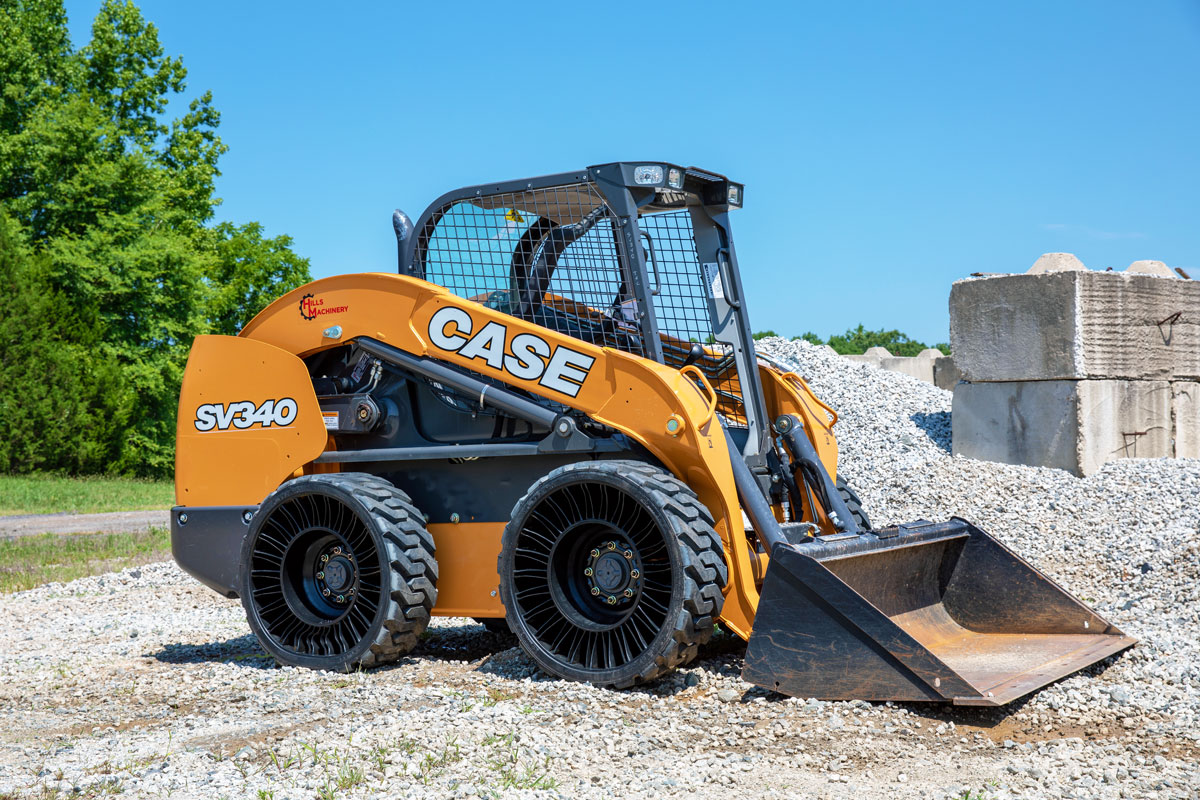
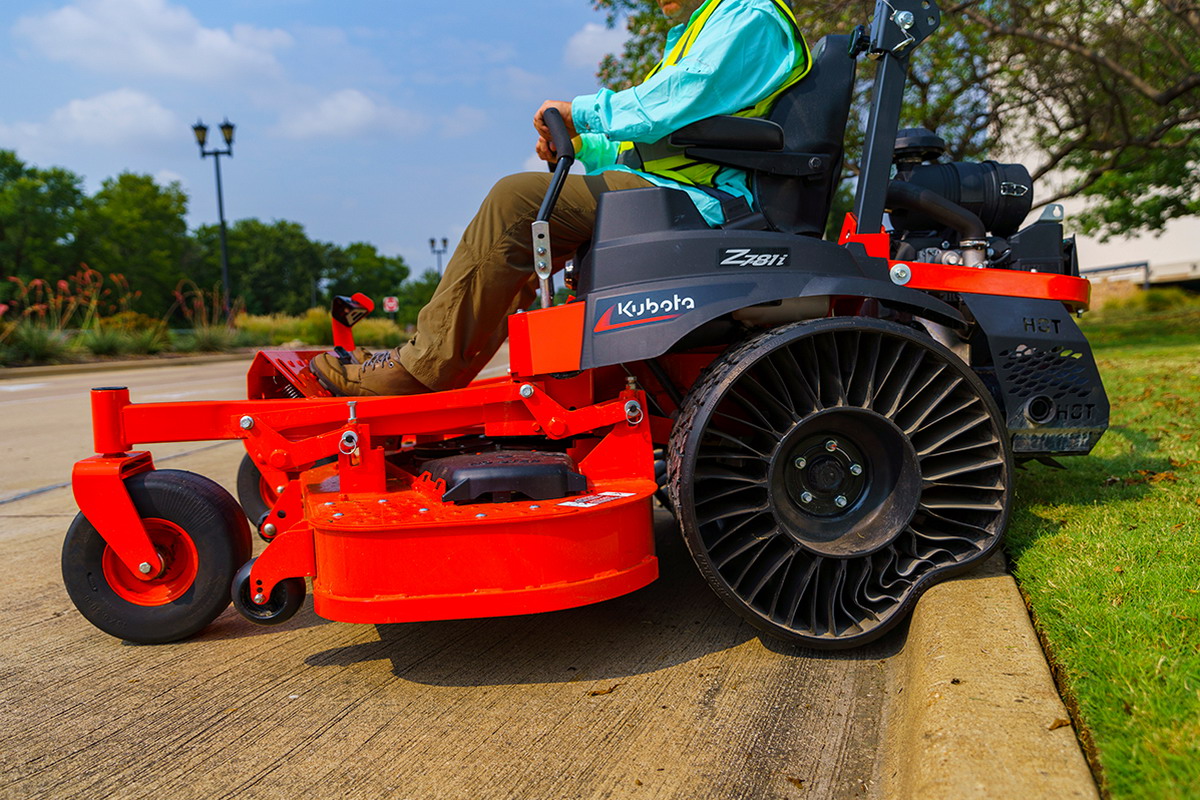
The technology applied to the wheel doesn't make it indestructible, but it does prevent the immediate collapse associated with a conventional tire. The United States Army has evaluated the tire on Polaris MRZR light vehicles, which are used for traversing difficult terrain. Michelin already markets versions adapted for UTVs, industrial machinery, and gardening equipment.
A tire that supports weight without using air.
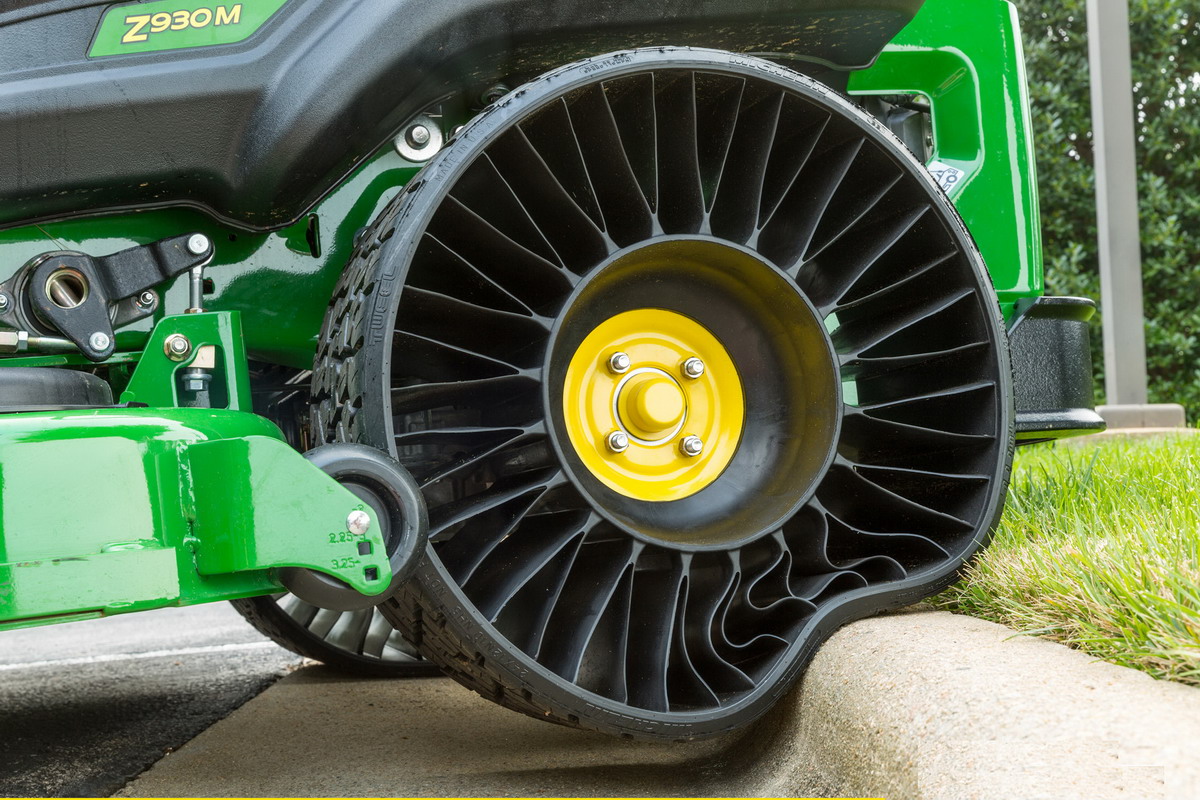
Instead of a pressurized inner tube, the Tweel features a metal hub connected to the tread by flexible resin spokes. These spokes deform when encountering obstacles such as rocks, uneven surfaces, or potholes, and then return to their original shape, absorbing some of the impact and distributing the forces evenly around the wheel.
The outer tread has a configuration similar to that of an off-road tire, but underneath it integrates a semi-rigid structure that supports the load. If one spoke is damaged, the remaining spokes can continue to support the vehicle without a sudden loss of pressure. This also eliminates the need to check tire pressure or carry a spare tire, jack, and puncture repair kit.
This configuration is particularly useful for small vehicles that need to maintain mobility on surfaces with rocks, metal debris, or rubble. Current versions for ATVs and UTVs support maximum loads of between 230 and 325 kg per wheel and speeds of up to 80 or 100 km/h, depending on the size. These figures are sufficient for light vehicles, but do not meet the requirements for an armored vehicle weighing over 20 tons.
Last-mile delivery vans could be the first step.
The application closest to conventional roads is not appearing in passenger cars, but in light commercial vehicles. Michelin has developed the Uptis for them, an airless solution different from the Tweel, designed to withstand the loads and speeds of cars and vans. DHL began a trial with approximately 50 delivery vehicles in Singapore, while La Poste implemented another program with about 40 units in France.
Urban last-mile routes offer a favorable environment for evaluating this technology. These vans cover long distances and make frequent stops, so a simple puncture can disrupt an entire day's deliveries. By eliminating air, tire pressure checks are no longer necessary, and the risk of premature tire removal due to punctures or underinflation is mitigated.
Michelin has confirmed that its Uptis prototypes have accumulated nearly three million kilometers in fleets in France, the United States, and Singapore. However, it is important to note that these trials remain limited and do not represent a general commercialization. As of 2026, the company continues to define Uptis as a prototype and has not publicly announced a launch date, price, or implementation in Spanish fleets.
Currently, a version of this system for heavy trucks has not been announced. According to official information, Uptis focuses on the passenger car and light commercial vehicle sector, while the available Tweel concentrates on machinery, UTVs, and moderate-speed applications. Its arrival on the market will depend on factors such as cost, available sizes, homologation, and its durability compared to a conventional tire.