

Driving an electric car costs four times less than driving an internal combustion engine car
During the past month of July, there was a notable increase in the difference between the cost of charging an electric vehicle compared to refueling a combustion engine vehicle. According to the monthly index compiled by the energy retailer Tibber, energy costs can vary by more than €10 per 100 kilometers, depending on the technology used. This situation can have a significant impact on fleet costs.
The data also shows that the trend diverged for both types of vehicles. While scheduled charging for electric vehicles experienced a slight decrease in cost, attributable to off-peak hours, the price of driving with gasoline or diesel has registered an increase of over 10% following the elimination of the fuel subsidy in Spain.
More than €10 difference per 100 kilometers.
The study determines that an electric vehicle with an average consumption of 20 kWh requires an investment of €3.52 to travel 100 kilometers when recharging is carried out using Tibber's optimization system. On that same route, both a gasoline and a diesel car had an average cost of €14.49.
This means that covering the same distance with a combustion engine vehicle was significantly more expensive, more than four times as much. In the case of diesel, the cost increased by nearly 14% compared to the previous month, while for gasoline models the increase was slightly over 11%.
On the other hand, the electricity used by customers with smart charging saw a reduction of approximately 3% in cost. A significant part of this decrease is attributed to high solar production and the occurrence of numerous periods with notably reduced prices in the wholesale market.
The best rates were concentrated during the middle of the day.
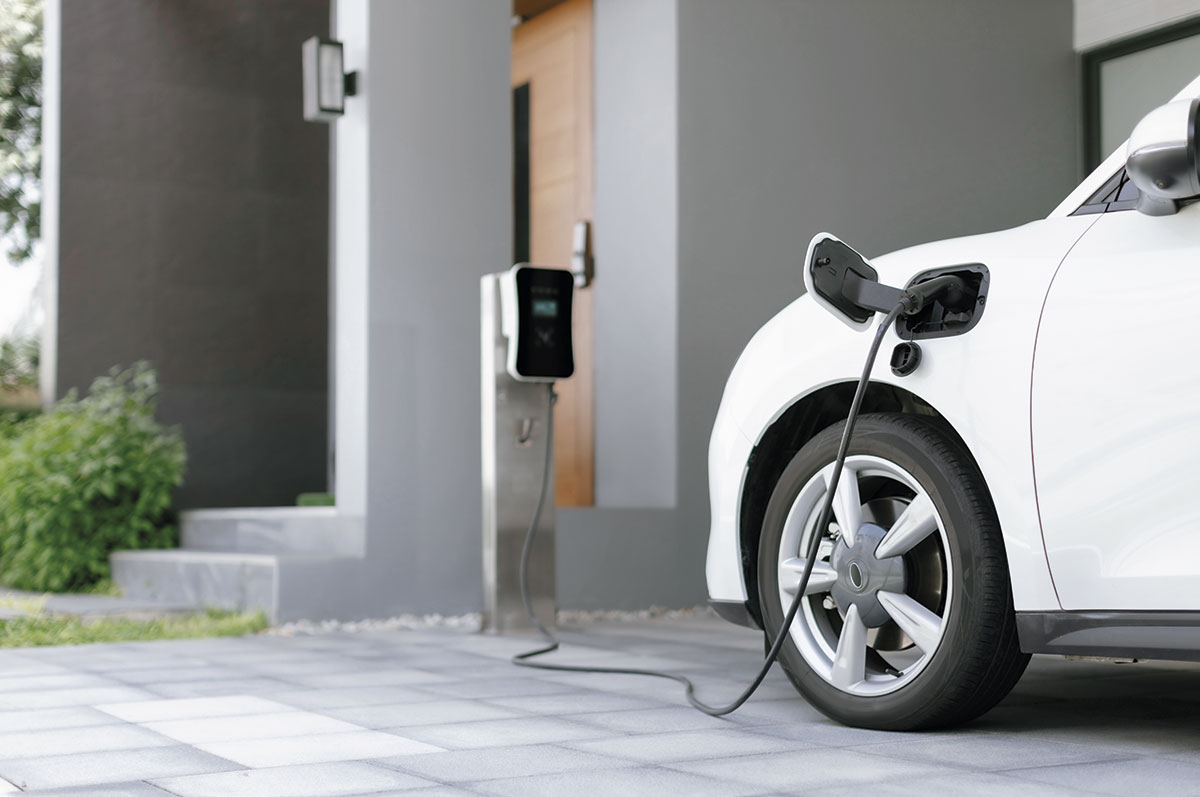
During the month of July, 79 hours with negative prices were recorded in the electricity market. This situation was particularly beneficial for owners who kept their vehicles connected to the wallbox during midday, the time when photovoltaic generation typically reaches its highest levels.
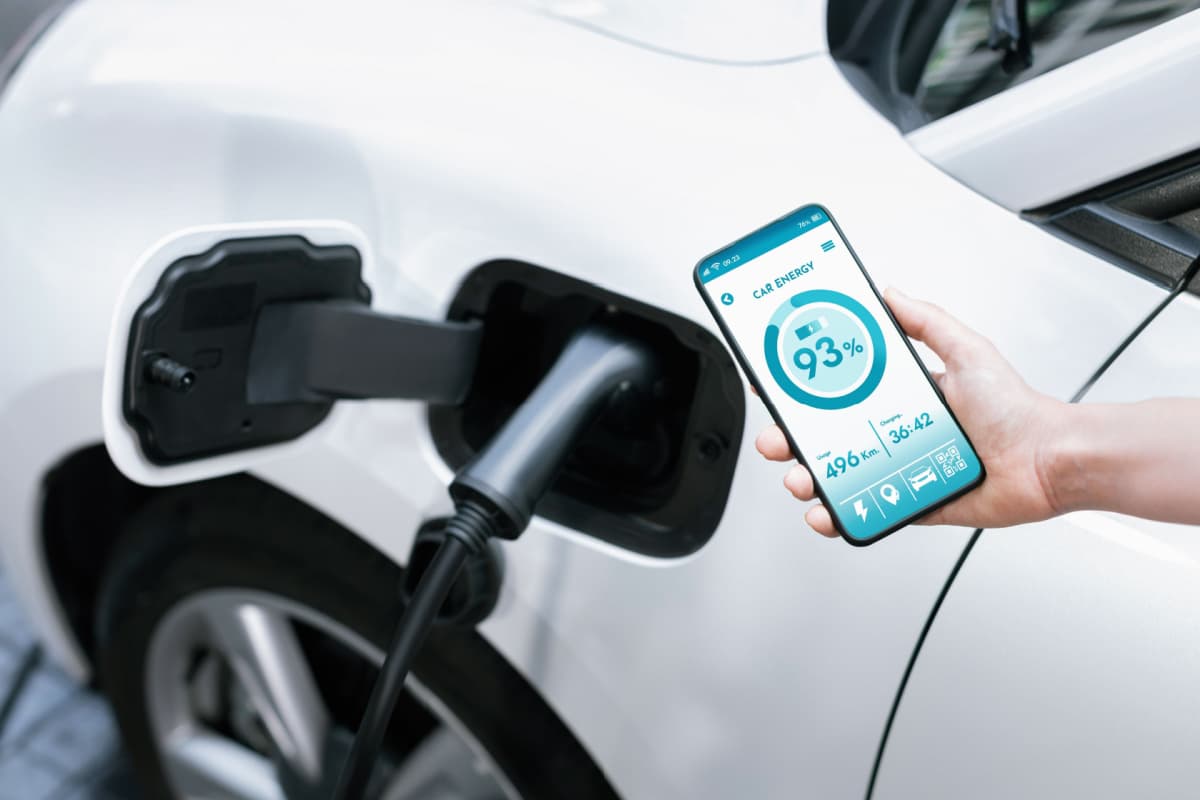
The Smart Charging system takes advantage of these fluctuations without requiring the user to manually initiate each charge. The driver connects the car, sets the time they need a specific battery level, and the platform automatically distributes consumption among the cheapest charging periods.
The calculation uses real-world charging data from over 10,000 households.
The index is not based solely on theoretical electricity market prices. Tibber guarantees that the estimate is derived from the charging behavior recorded in over 10,000 homes and the final amount paid by those customers, making it a substantial and, above all, reliable sample for conducting the final analysis.
The calculations include taxes, tolls, fees, and all other charges associated with the electricity supply. The smart charging used in the comparison is available to users with dynamic tariffs that update every 15 minutes, allowing the process to adapt to price changes throughout the day.