

Download the audio
Slide 1. Introduction.
The class develops the crankshaft sensor faults, symptoms, consequences, and implications for fleet management.
Slide 2. The crankshaft sensor.
- Crankshaft sensor faults.
A problem with the crankshaft sensor can turn a seemingly well-functioning vehicle into a complex, costly repair issue. When a crankshaft sensor fails, the situation is clear-cut: the engine loses its rotational reference point, causing the entire system to run poorly or, in extreme cases, stop operating altogether.
Although small, this component is critically important. If the system begins to malfunction, the vehicle may experience hard starting, rough running, a loss of power, or even stall while in operation. Detecting symptoms early can prevent more significant damage and high repair costs.
- What is the crankshaft?.
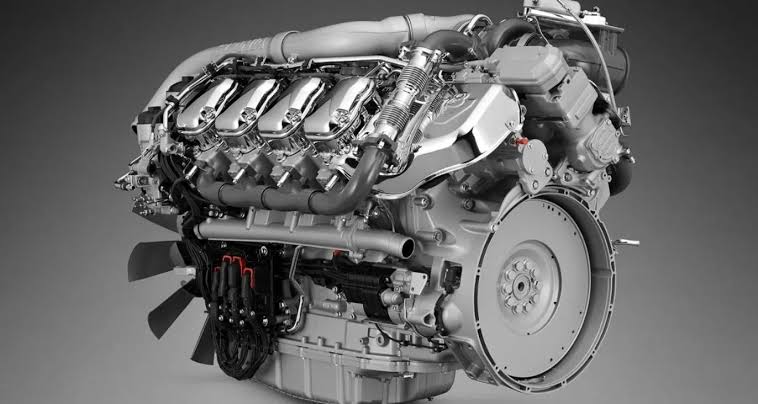
A car's crankshaft transforms the vertical movement of the pistons into continuous rotation that drives the vehicle forward. The entire engine relies on this rotation being perfectly synchronized.
If the control unit (ECU) does not know the crankshaft's position, it cannot properly control fuel injection or ignition. Therefore, any fault related to this component directly affects engine performance.
- Crankshaft sensor functions.
The crankshaft sensor provides the control unit with two key pieces of data:
- The exact position of the crankshaft.
- The engine's rotational speed.
To do this, it reads the teeth on the flywheel as it spins. Based on the information provided, the control unit coordinates ignition, fuel injection, and synchronization with the camshaft. If the sensor sends erroneous data or stops working, the engine loses control of these processes. The crankshaft sensor is located between the engine block and the transmission, in close proximity to the flywheel. In many vehicles, accessing the sensor for replacement can be difficult, which in turn can affect labor costs.
- Symptoms of crankshaft sensor failure.
When this sensor begins to fail, the car typically provides clear warning signs:
-
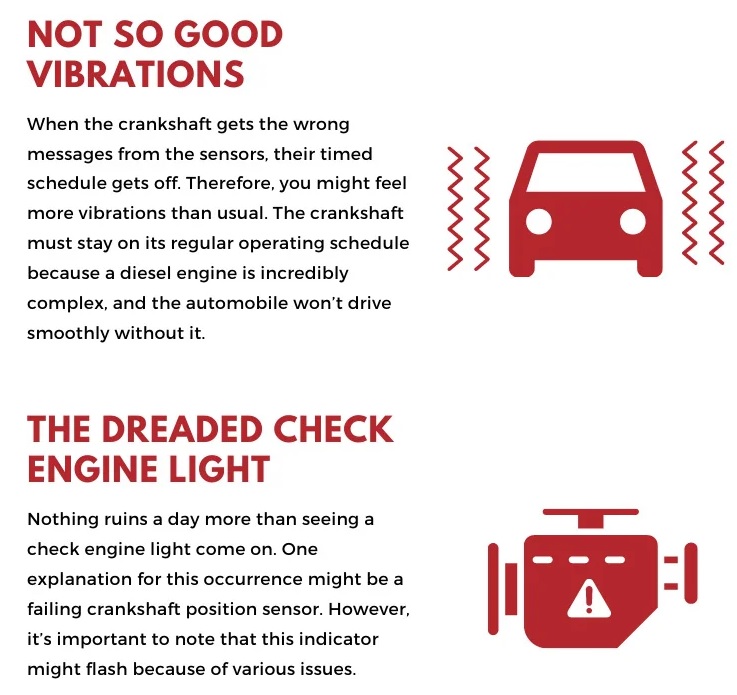
- Check engine light illuminated.
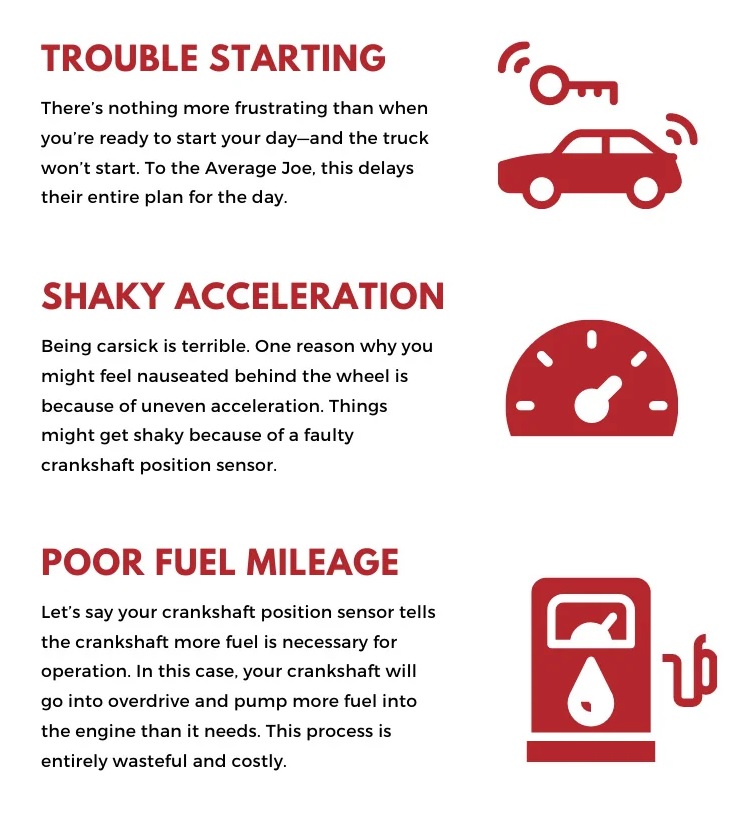
- Difficulty starting or intermittent starting issues.
- Loss of power during acceleration.
- Jerking or rough running.
- Entering "limp mode" (emergency mode).
- Sudden engine stalling while driving.
In some cases, the vehicle may not restart until the sensor is replaced.
- Causes of vehicle failure.
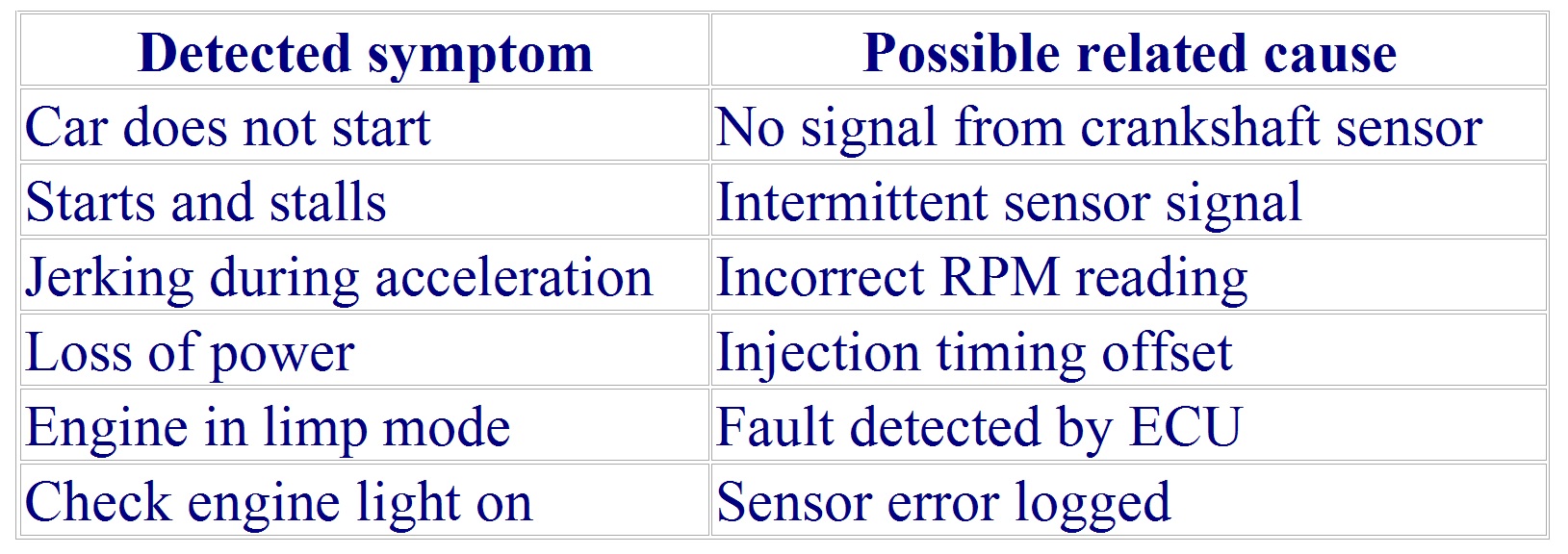
The table helps distinguish a crankshaft sensor fault from other similar issues, such as fuel injection or ignition problems.
- Other components related to the crankshaft.
In addition to the sensor, the system includes components such as the vibration-damping pulley, designed to absorb vibrations. If this pulley fails or does not receive adequate lubrication, the engine may produce abnormal noises, experience excessive vibration, and suffer accelerated internal wear.
It is important to note that a combined failure of the pulley and the sensor can lead to more severe and confusing symptoms.
- Cost of replacing the crankshaft sensor.
The price of the sensor generally ranges from 100 to 200 euros, depending on the specific model. Labor costs must be added to this, varying based on how difficult it is to access the part.
The average repair cost falls between 180 and 350 euros, though it may be higher for some vehicles if other components need to be removed.
- Why you shouldn't drive with a faulty crankshaft sensor.
Ignoring this fault can lead to:
-
- Unexpected engine stalls.
- Risks when overtaking or merging into traffic.
- Damage to other electronic components.
- Increased fuel consumption and emissions.
Taking timely action prevents more serious breakdowns and ensures safety behind the wheel.
- FAQs about crankshaft sensor failure.
- Can the car start with a faulty crankshaft sensor?.
Yes; sometimes the system starts intermittently, but the engine usually shuts down or malfunctions.
-
- Is it dangerous to drive with a failing crankshaft sensor?.
Yes; it is important to note that this can cause the engine to stall while driving and lead to a sudden loss of power.
-
- Can it be mistaken for a fuel injector fault?.
Yes; the symptoms can be similar, which is why an electronic diagnostic check is crucial.
-
- Does the failure happen suddenly or gradually?.
It can happen either way, although progressive deterioration is more common.
-
- Is this a common fault?.
Yes; it is particularly common in high-mileage vehicles or those exposed to extreme temperatures.
- Implications for fleet management.
The main consequence of a crankshaft sensor failure is engine malfunction or total engine failure, resulting in repair costs and vehicle downtime, during which the vehicle cannot provide service.
Implementing the following measures is recommended:
- Maintenance.
Crankshaft sensor maintenance must be performed according to the vehicle manufacturer's instructions and schedule.
A diagnostic tool connected to the OBD-II port should be used to identify any error codes associated with the crankshaft sensor.
- Remote diagnostics.
Using remote diagnostics allows for real-time detection of a faulty crankshaft sensor.
- Driver training.
If the engine warning light illuminates on the dashboard, or if the driver detects any engine malfunction—such as loss of power, jerking, or irregular running—they must report it to the workshop manager or fleet manager. The vehicle must not be used until it has been repaired.
- Vehicle inspection-MOT.
If the engine warning light is on, the vehicle will not pass the mandatory vehicle inspection (MOT).
- Premium spare parts.
It is recommended to use original parts or those from premium brands; never use low-quality or second-hand parts.
When a crankshaft sensor fails, the engine loses its primary reference point, and the vehicle can no longer operate safely. Timely symptom detection, accurate diagnosis, and sensor replacement are crucial to avoiding major damage and unnecessary expenses.
If jerking, starting difficulties, or unexpected engine stalls occur, the system should be inspected immediately, as this can make the difference between a simple repair and a more serious problem.
Slide 3. Thank you for your time.
The class has developed the crankshaft sensor faults, symptoms, consequences, and implications for fleet management, see you soon.