


Tips for buying a used electric car.
The number of electric vehicles on the used car market has seen a significant increase, which was to be expected as these vehicles become more widespread in the vehicle fleet. This option is extremely attractive for those considering the switch to zero-emission technology but who are reluctant to accept the initial depreciation associated with a brand-new model.
However, buying a used electric vehicle requires a shift in mindset compared to conventional powertrain options. The focus is no longer on inspecting mechanical components like oil, belts, or exhaust systems, but rather on the integration of electronic components and energy systems. If you’re considering purchasing one, I’ll provide you with the information you need to make an informed decision.
The battery: the key factor in the investment.
Without a doubt, the most critical and valuable component in an electric vehicle is the traction battery. Unlike an internal combustion engine, whose wear and tear is measured in terms of clearances and compression, an electric vehicle’s battery undergoes a natural chemical degradation process with each charging cycle. This loss of capacity is referred to as SOH (State of Health), and it determines the vehicle’s actual range.
To ensure a safe purchase of a used electric vehicle, it’s important to request a certificate attesting to the battery’s current condition. This report, which can be issued by an authorized service center or a certified specialist through a diagnostic scan of the control unit, indicates the percentage of the battery’s usable capacity relative to the vehicle’s original capacity at the time of manufacture. A value above 80% is considered excellent.
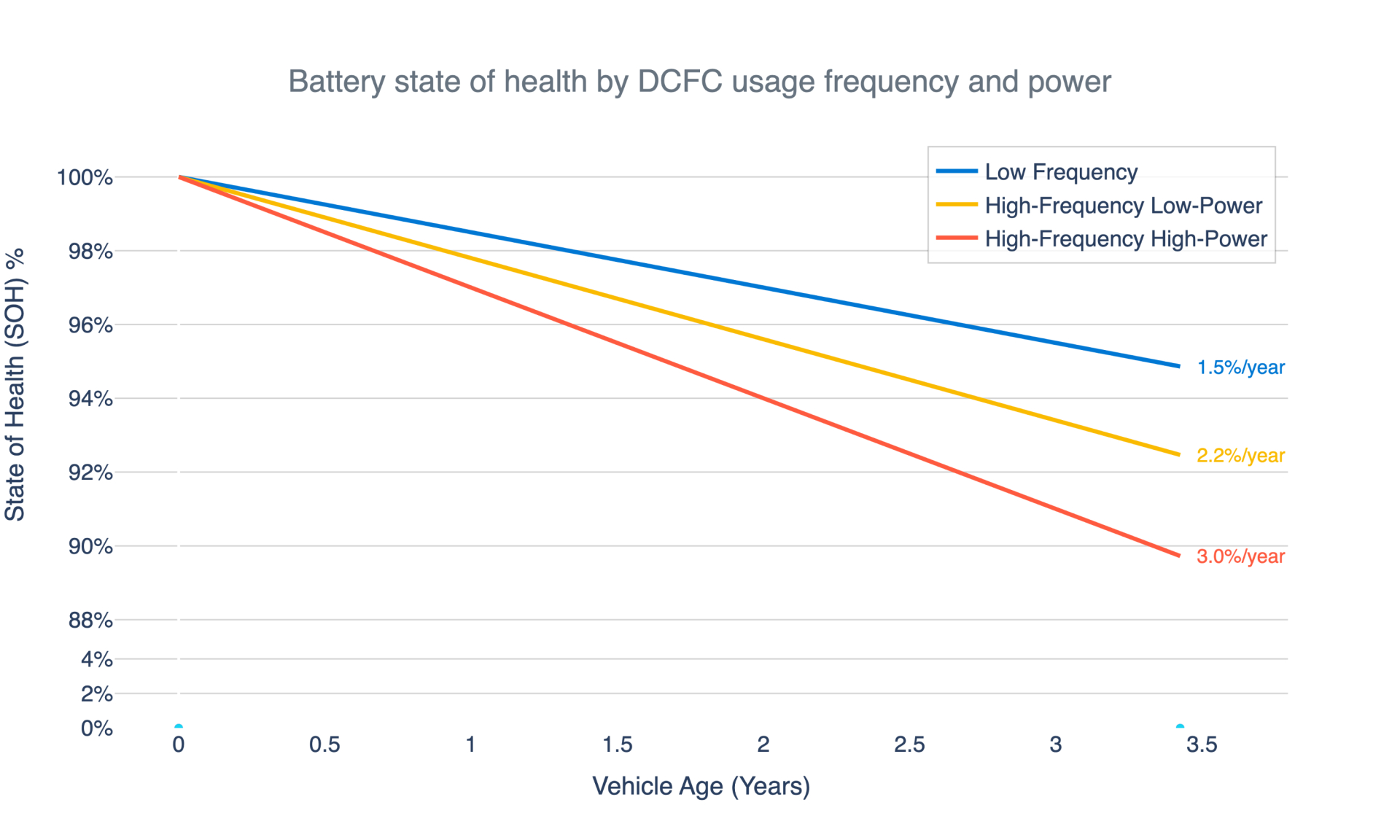
Excessive degradation not only reduces the range per charge but may also require an early and costly replacement. It is also important to thoroughly investigate the previous owner’s charging habits. For example, intensive use of ultra-fast direct-current charging stations tends to degrade the cells more than slow, gradual alternating-current charging.

Manufacturer Warranties and Lease Agreements.
It is crucial to consider the coverage provided by the vehicle’s official warranty. In the electric vehicle sector, it has become common practice to separate the general warranty covering the chassis and mechanical components from the specific coverage for the electric powertrain and its batteries. In accordance with current regulations, battery manufacturers offer a warranty that can last up to eight years or 160,000 kilometers, in order to protect the user’s interests in the event of severe capacity loss, which typically occurs when the State of Health (SOH) drops below 70%. When reviewing the vehicle’s history, it is important to verify that the warranties are still in effect and that they are properly transferred to the new owner. This step will ensure long-term peace of mind.
On the other hand, when evaluating early-generation models, it is crucial to verify who owns the battery. In the early days of electrification, some manufacturers sold the vehicle but kept the battery under a monthly lease agreement. While this arrangement reduced the initial price, it required the user to pay a fixed fee based on the number of kilometers driven. Although this practice has disappeared in current models—and the battery is purchased outright along with the vehicle—when choosing one of these earlier models, it is crucial to determine whether there is a related contract in place or whether the battery can be purchased outright.
Charging Compatibility and Connectors.
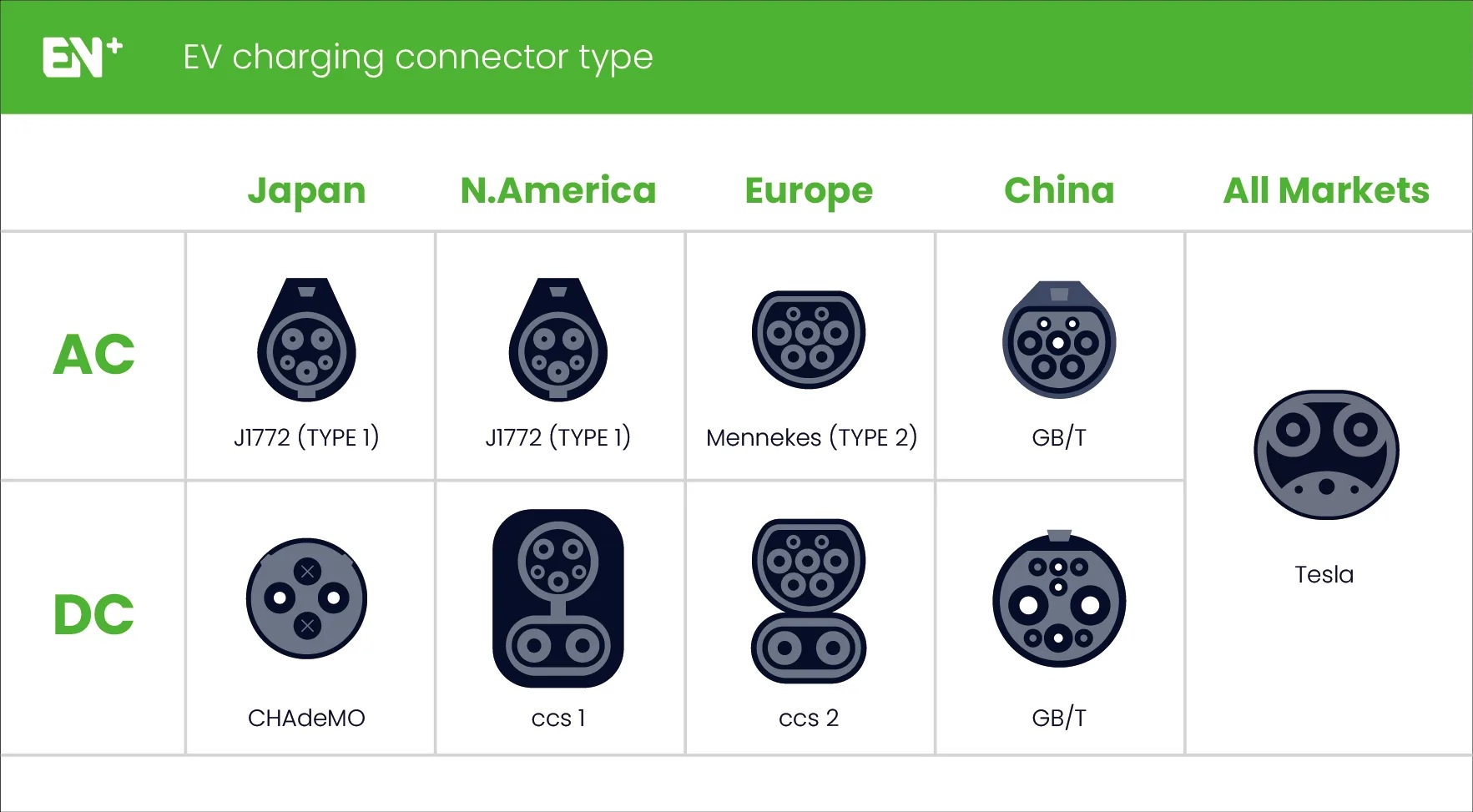
A vehicle’s compatibility with home and public charging networks is a critically important factor. It’s important to note that not all older electric cars use the same charging standards. Be sure to check the type of charging port on the vehicle in question. Most modern vehicles in Europe have standardized on the Type 2 (Mennekes) connector for AC charging and the CCS Combo system for DC fast charging, ensuring access to nearly any charging station. However, it is important to note that some older Asian models used the CHAdeMO standard for fast charging or Type 1 for AC charging, which could limit charging options at certain charging stations.
It is also recommended to thoroughly inspect the cables provided with the vehicle. It is recommended that the vehicle come equipped with a Type 2 to Type 2 cable, which allows connection to public AC charging stations or a home wallbox, as well as an occasional charger with a standard household outlet for emergency situations. The absence of these items can result in significant additional expenses after purchase.
The Impact of Vehicle Mass on Wear Components.
Although electric vehicles require significantly less mechanical maintenance than internal combustion engine vehicles—due to the absence of components such as multi-disc transmissions, clutches, or particulate filters—they are not immune to wear. The battery’s location at the bottom of the platform contributes to a significant increase in the vehicle’s total mass. This increase in weight places continuous additional stress on the chassis components.
During the test drive—which is of vital importance—special attention must be paid to the suspension, shock absorbers, and rubber mounts, listening carefully for any unusual noises or knocks that might indicate premature wear caused by the weight.
Software Updates.
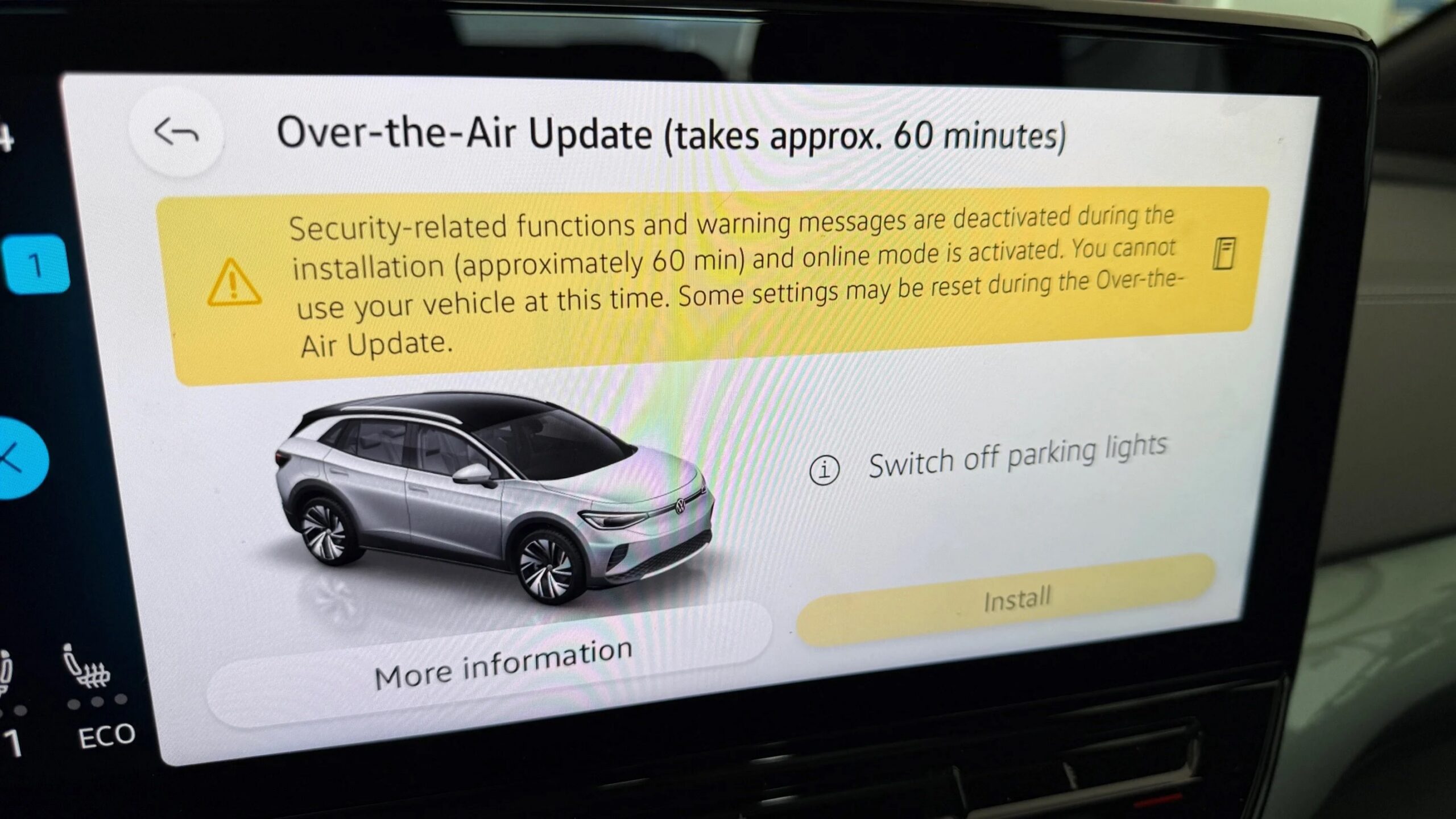
The technology in an electric vehicle is closely linked to its electronic management system. When reviewing the maintenance history, it is essential to ensure that all software updates recommended by the manufacturer have been installed. These updates not only optimize the infotainment system interface but also significantly improve the efficiency of cell thermal management, increase the tolerated charging speed, and fine-tune torque delivery. As a result, vehicle performance is enhanced without the need for physical modifications.
Tailoring to Your Actual Needs.
To ensure a successful selection process, it’s important to be transparent about your individual needs. The certified range figures under the official WLTP cycle are a laboratory benchmark. However, in the used car market, factors such as weather, driving style, and terrain will determine the actual range available to you. If your main trips are limited to city driving, commuting to work, or taking the kids to school, a compact model with a moderate-capacity battery and a modest real-world range will meet your expectations, allowing you to access electric mobility in an efficient and economical way.