


Download the audio
- Slide 1. Introduction.
The class develops the battery failures in mild hybrids, the types of malfunctions they can experience, and the implications for fleet management.
Slide 2. Battery Failures in 48V Mild Hybrids.
- 48V mild hybrid vehicles.
Certainly, issues related to micro-hybrid batteries have become increasingly important among those considering the purchase of a vehicle equipped with a 48V system or those already familiar with this type of technology. In principle, this technology was conceived as an extremely ingenious intermediate solution: it reduces fuel consumption, contributes to lower emissions, and allows vehicles to qualify for the ECO label without incurring the additional cost of a full hybrid.
However, over time, legitimate concerns have arisen regarding the durability of the 48V battery, the reliability of the system, and the costs associated with a potential breakdown. As leading brands such as Audi, Hyundai, and Volkswagen explain, these systems recover energy during braking and store it in a 48V battery. This energy is then used to assist the internal combustion engine during certain driving phases.
Today, with the full integration of mild hybrids into the European market and a constantly expanding range of models, it is imperative to separate subjective perceptions from objective facts. Not all batteries have problems, and this is not an inevitable failure. However, it is important to note that the system incorporates complex electronic components and new hardware that must be properly understood by potential buyers. If you drive many miles or use the vehicle for both city driving and long trips, it is essential to understand how this battery works and to be alert to symptoms that could indicate a problem.
- The 48V battery is key in mild hybrids.
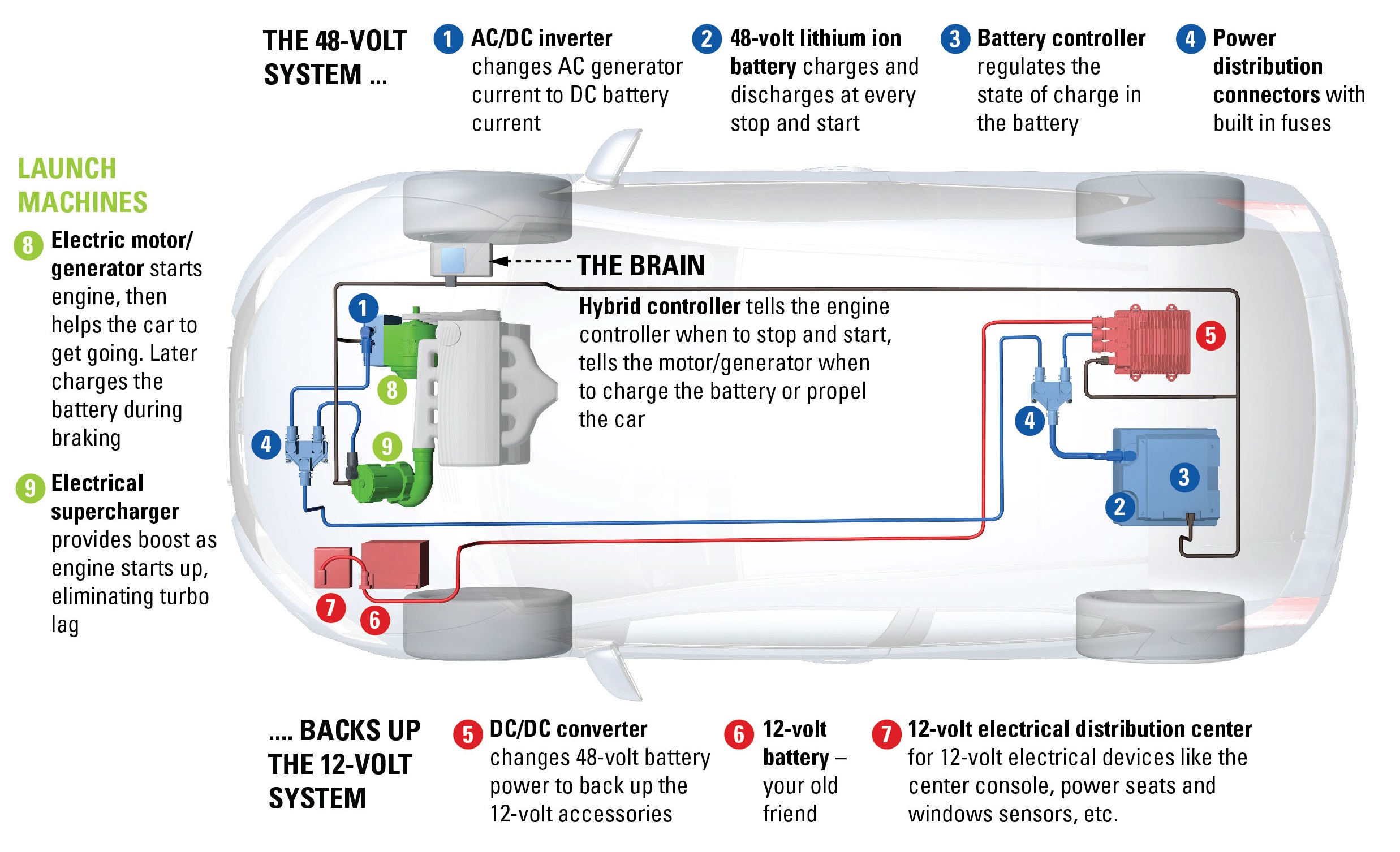
The 48V battery is an essential component of the system, as it provides the energy needed to power the mild hybrid electrical system. It also facilitates the starter-alternator or starter generator’s assistance to the internal combustion engine during acceleration, energy recovery, and other functions, such as coasting with the engine off. Audi explains, for example, that its mild-hybrid system is based on a 48V lithium-ion battery and a starter-generator with a capacity of up to 9 kW and 50 Nm. Similarly, Volkswagen notes that energy recovered during braking is stored in a dedicated battery, which is then reused while driving.
The main advantage of this architecture is that it reduces fuel consumption and emissions without requiring the vehicle to be converted into a conventional hybrid. Bosch estimates that these 48V systems can reduce CO2 emissions by up to 15% in internal combustion engines. This capability explains why many manufacturers continue to rely on them. In Spain, this technology is often linked to the ECO label, which is a compelling argument for many users. However, since the battery is an essential component of the system, any degradation or malfunction of the battery affects the vehicle’s overall performance and efficiency. Therefore, it is essential to understand its integration within the hybrid engine and how it works.
- Most common issues with 48V
batteries.
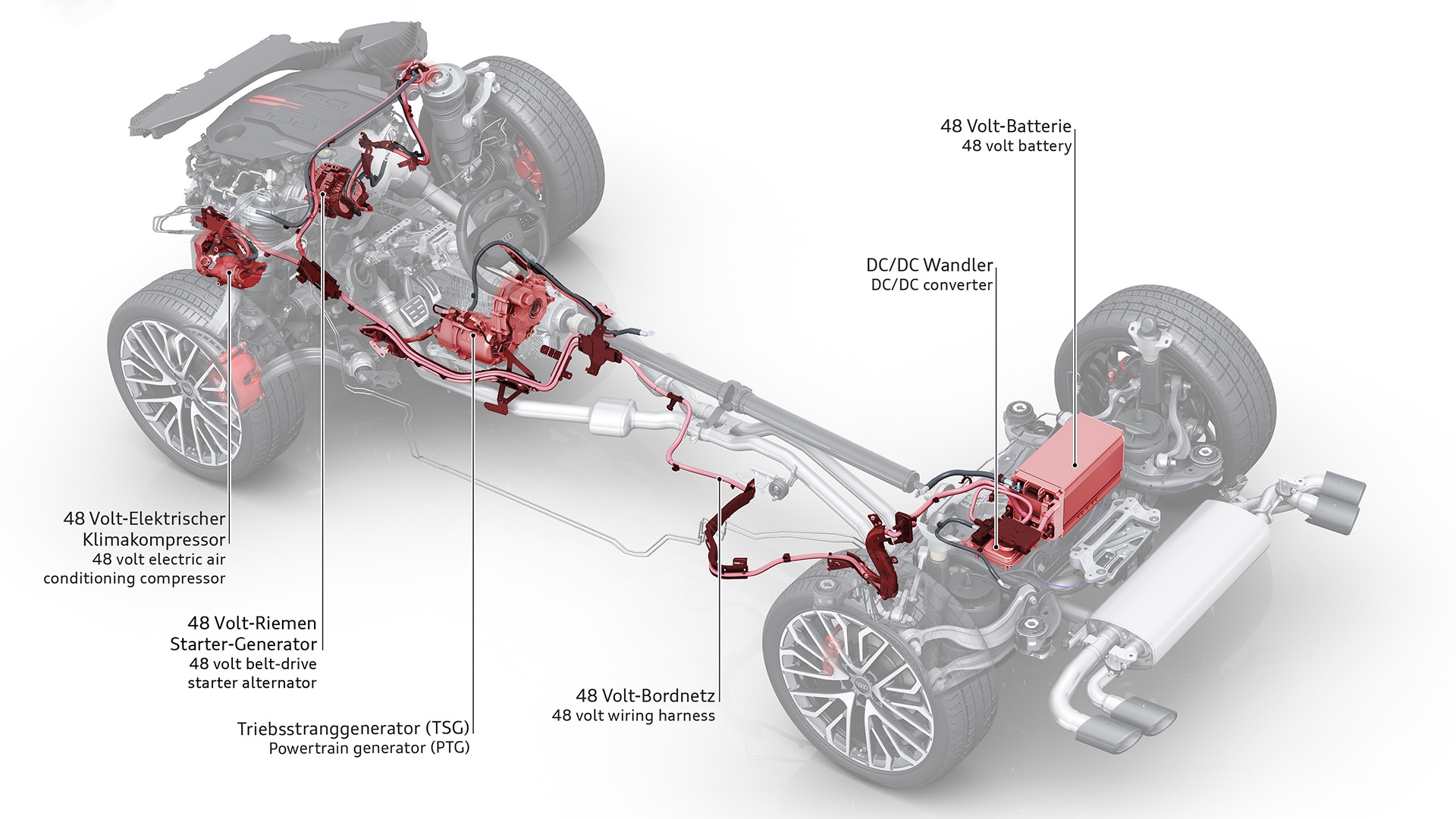
The issues that occur most frequently in mild hybrids are not solely attributable to poor-quality batteries, but are related to the system as a whole. Among the most common issues reported by industry sources are the degradation of the 48-volt battery over time, failures in the starter-generator or reversible alternator, issues with the control electronics, and problems with the DC-DC converter, which is responsible for adapting the current from the 48V network to the vehicle’s traditional 12V network. This converter is an essential component within the electrical architecture.
Thermal
management must also be considered. Bosch notes that, in hybrid and electrified
systems, the battery requires proper temperature control to ensure optimal
performance in both cold and hot conditions. Poor thermal management can have a
negative impact on the system’s performance and longevity.
In
practice, when a malfunction occurs, the driver typically notices a loss of
electric power assistance, a less smooth start-stop system, slightly higher
fuel consumption, warning lights on the dashboard, or electrical issues. Some
users have pointed out that the most common problems with mild hybrids are
degradation of the 48V battery and starter-generator failures, especially in
older vehicles.
- Cost of repairing or replacing
a 48V battery.
In
this context, it is essential to proceed with caution. No standard rate has
been established because the price varies depending on the manufacturer, the
model, access to the part, the converter, labor, and the need to replace
additional components or update software. The price range can be between 1,000
and 3,000 euros, indicating that this repair is significantly more expensive
than that of a conventional 12V battery, due to the involvement of power
electronics and the need for specific diagnostics.
Likewise,
it is crucial to consider the warranty coverage offered. In the European
market, some manufacturers offer extensive coverage for electric vehicle
batteries, although with varying conditions and scopes for mild-hybrid systems.
Therefore, before purchasing one, it is advisable to thoroughly review the
terms and conditions, as it may not be covered for a period of eight years. The
estimated actual cost over the medium term could vary significantly as a result
of this factor. If you wish to assess the expense, you can compare it to the
cost of replacing an electric vehicle battery, which represents a significantly
higher investment.
- Actual impact on highway driving.
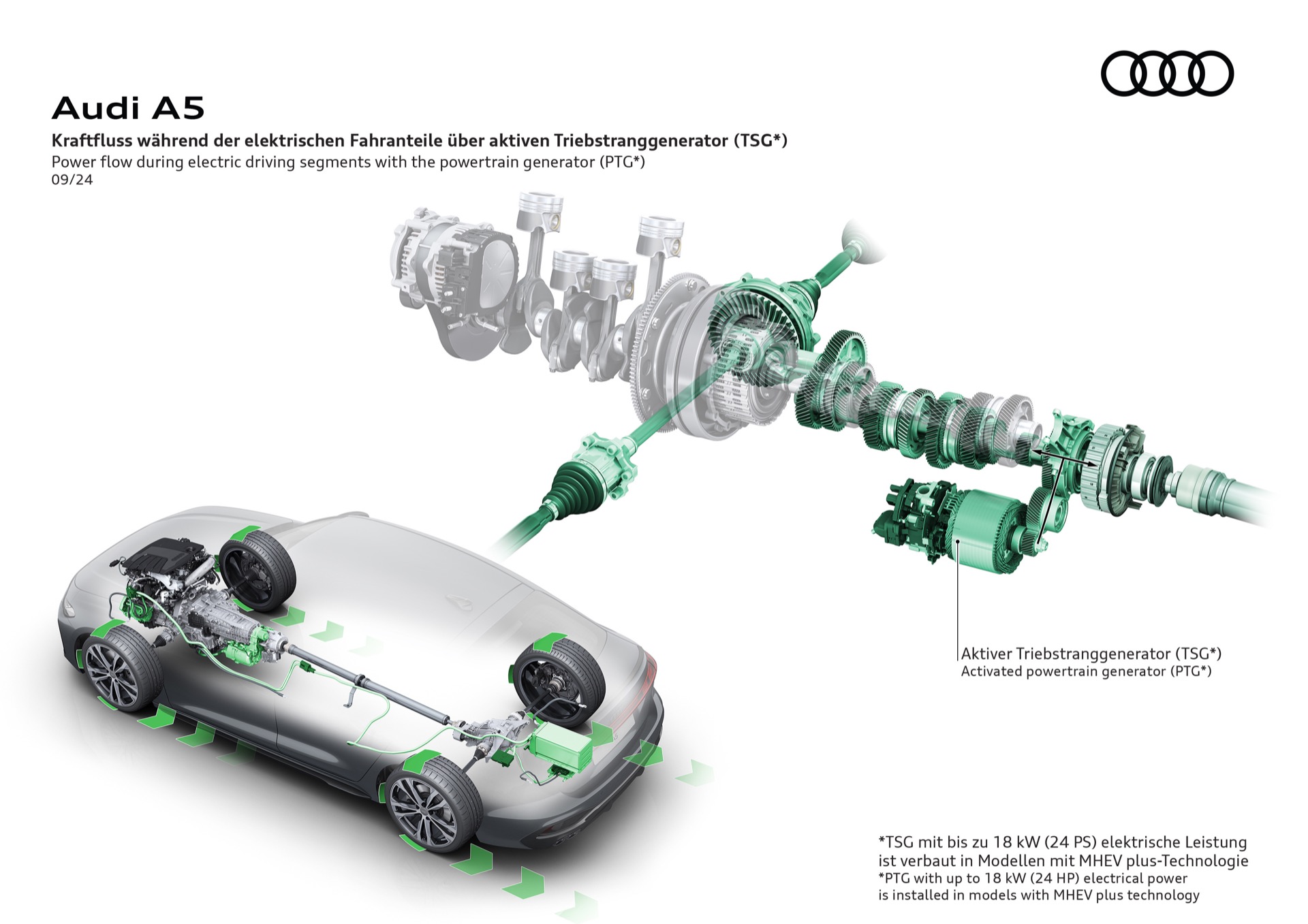
On the highway, the mild hybrid tends to offer fewer advantages than in city driving. In this case, the system recovers less energy than during urban driving, which involves frequent braking and acceleration, resulting in a more modest contribution from the electric motor. It should be noted that, while it cannot be said that the product in question is not useful for travel, its performance in terms of fuel economy is less noticeable on long-distance and steady-state drives. Certainly, one of the significant advantages lies in the fact that, as the number of intense recovery phases and continuous assistance observed in urban traffic is reduced, certain components operate under less rigorous demands in specific scenarios.
However, it is important to bear in mind that the balance can vary significantly depending on the specific model and driving style. There are micro-hybrids that have reached a high level of development and others that offer a more modest contribution. In any case, they remain a practical alternative for those seeking a vehicle that is easy to use, plug-free, and offers tax or mobility benefits. However, it is important to understand the battery charging time of a vehicle in motion, as many users still confuse the 12V battery with the electrified architecture of the mild-hybrid system.
- Is this a widespread problem or just isolated cases?.
It is not accurate to say that this is a widespread defect affecting all mild hybrids. That would certainly be an exaggeration. The reality is more complex and varied: some systems are robust, others are more sensitive, there are technical campaigns for certain models, and there are clear differences between manufacturers. It is important to note that not all micro-hybrid architectures are the same and that problems tend to occur more frequently in older vehicles. It is also important to note that the technology has made significant progress. Audi, for example, unveiled its new generation of micro-hybrids plus in 2025, such as the Audi A5, featuring more advanced 48-volt electrification and greater support for the internal combustion engine.
- Are mild hybrids still worth considering?.
Certainly, these vehicles remain relevant, especially for those looking for an efficient car that doesn’t require recharging, carries an ECO label, and offers a driving experience comparable to that of a conventional gasoline or diesel vehicle. While they are not the ultimate solution and do not offer the electric performance of a full hybrid, they are an accessible option for entering the world of electrification. Bosch and several manufacturers are promoting this technology as an affordable option for reducing emissions and fuel consumption without increasing the vehicle’s cost.
If you drive primarily in the city, you can get better mileage out of them. If you’ve spent most of your driving life on the highway, the benefit will be considerably less. If long-term reliability is a concern, we strongly recommend reviewing the model’s track record, warranty coverage, and the potential cost of repairs. From this perspective, mild hybrids do not pose an inherent complication, but they are not without areas for improvement. The 48V battery is not always a drawback, though it does deserve more attention than many buyers give it.
This suggests that the solution does not lie in completely ruling out micro-hybrids, but rather in careful selection, a review of the vehicle’s history, a thorough understanding of the warranty, and an informed purchase—not based solely on the ECO label. It is also recommended to check whether the model has been subject to service campaigns or software updates, as in many cases the faults are related to electronic management rather than a defective battery.
- FAQs about 48V battery issues in mild hybrids.
- Is the 48V battery in a mild hybrid replaced the same way as a standard 12V battery?.
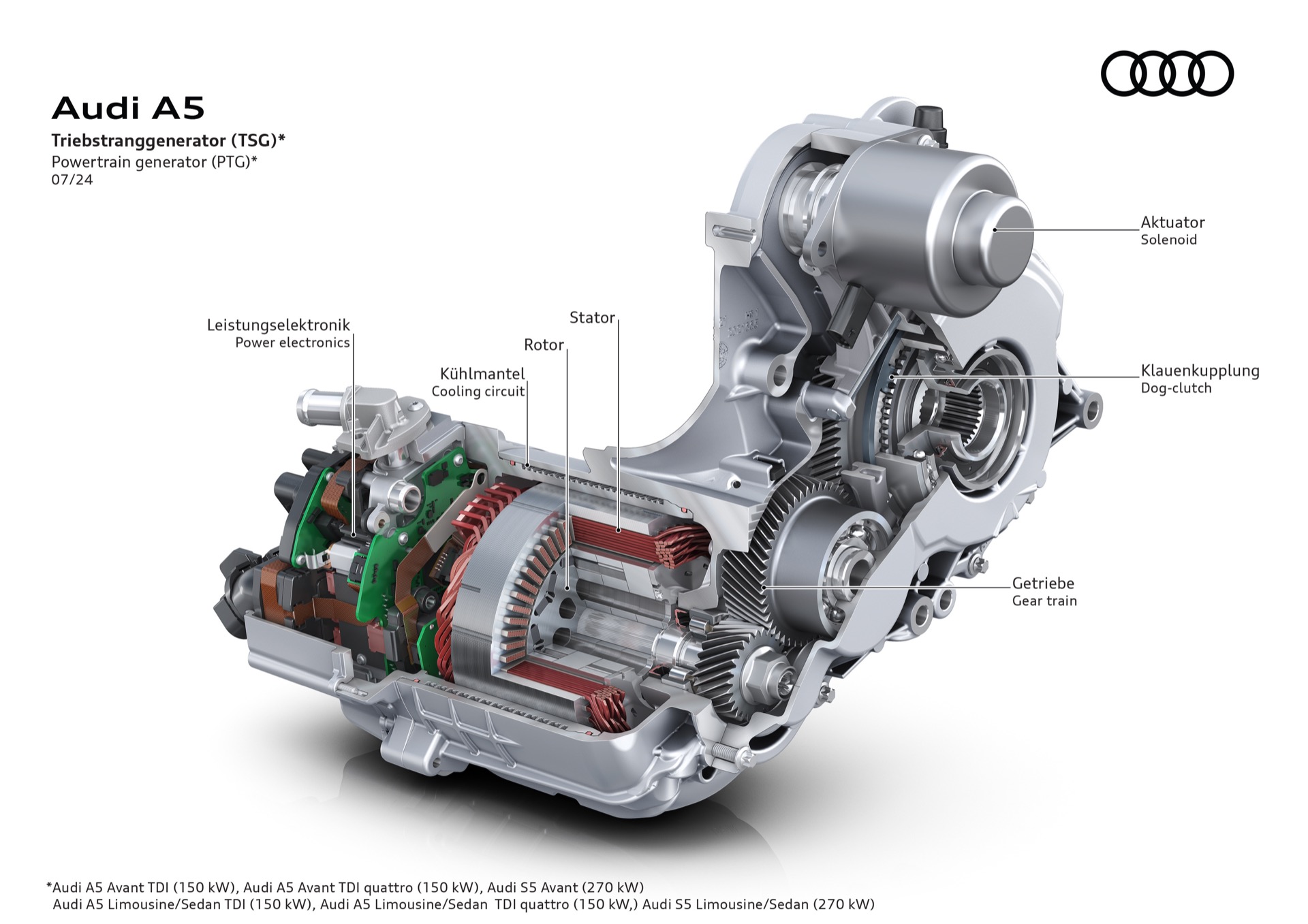
No. This battery is not a conventional 12V model. This electrified system, which is more complex in nature, incorporates specialized electronic technology and specific safety protocols. Therefore, its replacement requires an evaluation and work performed by specialized professionals.
- How long does a 48V battery last in a mild hybrid?.
It is important to note that there is no single figure that applies in all cases, as this varies depending on various factors, such as the model, usage, weather conditions, and maintenance performed. Under normal conditions, its lifespan can extend for several years without any issues. However, its wear and tear is closely related to thermal management and the vehicle’s actual usage.
- What symptoms might indicate a problem with the 48V battery?.
The most common warning signs include: dashboard indicators, erratic start-stop operation, loss of electric power assistance, minor electrical glitches, or increased fuel consumption. Sometimes, the issue isn’t limited to the battery alone but may be related to the starter-generator or the converter.
- Is it very expensive to repair a 48V mild-hybrid system?.
It can be. It’s important to note that the repair isn’t limited to just replacing the battery. When you factor in additional components—such as the DC-DC converter, control electronics, or starter-generator—the cost of the vehicle increases significantly compared to that of a conventional internal combustion engine car.
- Implications for fleet management.
The main consequence of a micro-hybrid vehicle breaking down is the cost of repair and the time during which the vehicle is unavailable for service.
We recommend implementing the following measures.
- ECO label.
In Spain and other countries, cities are increasingly establishing low-emission zones (LEZs), and to gain access, vehicles must have a Zero or ECO label. As a result, fleets are purchasing micro-hybrid vehicles to access city centers and continue providing service. This is a bad practice that is not being done to reduce pollutant emissions.
Currently, micro-hybrids have the ECO label, but they will likely lose it in the coming years.
- Fleet electrification.
To achieve zero emissions, you must purchase 100% electric vehicles and use energy derived from renewable sources.
- Maintenance.
To prevent breakdowns, always follow the vehicle manufacturer’s instructions for maintenance and perform it at the recommended intervals.
- Purchasing a used mild hybrid.
It is recommended to review the vehicle’s history, warranty, service campaigns, the condition of the electrical system, and any previous issues. Purchasing a vehicle based solely on the ECO label can be risky if a thorough inspection of the car is not performed. eco-friendly.
Slide 3. Thank you for your time.
The class has developed the battery failures in mild hybrids, the types of malfunctions they can experience, and the implications for fleet management, see you soon.