

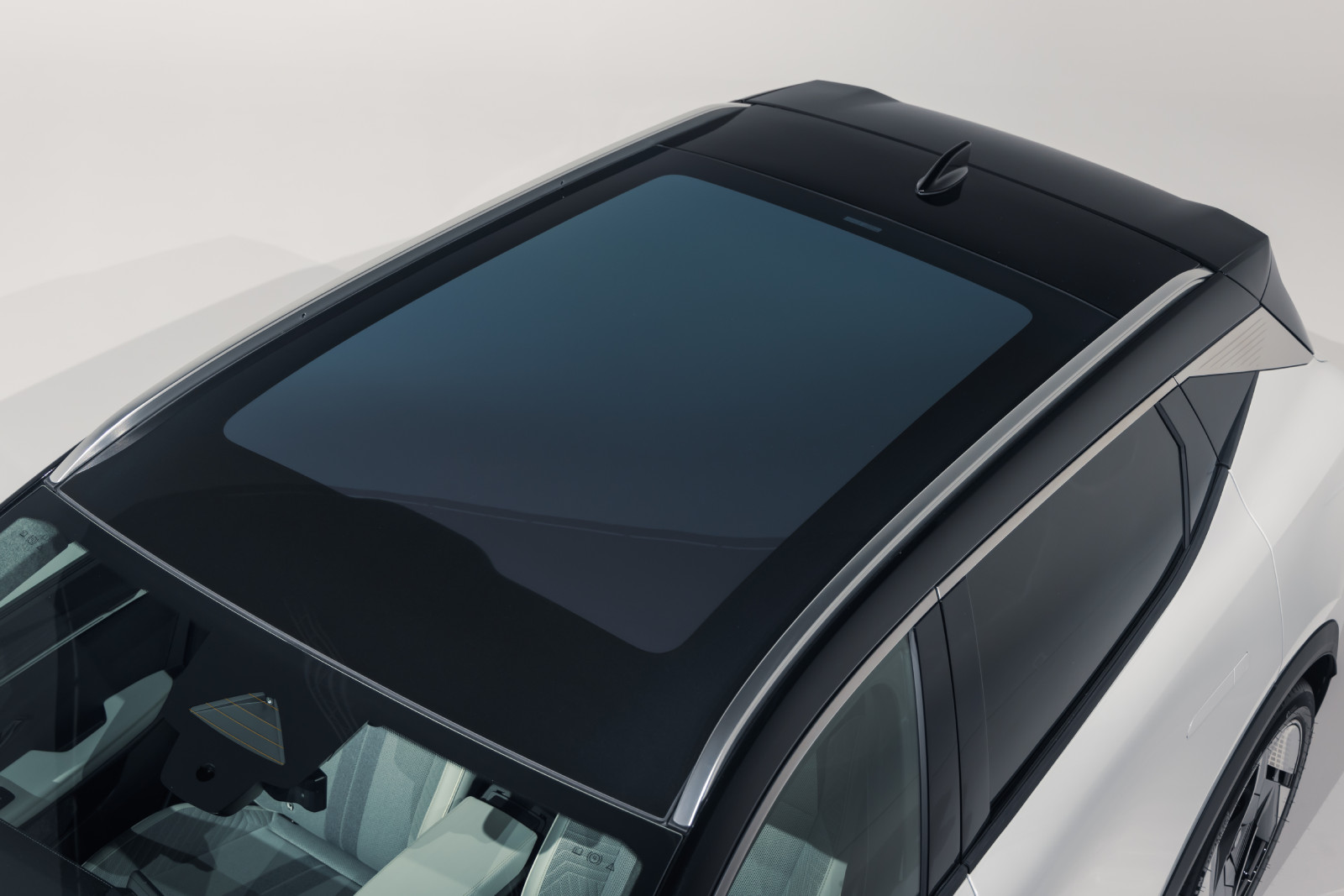
A car's sunroof can shatter suddenly without warning
The sudden shattering of a panoramic sunroof while a vehicle is in motion is not a new phenomenon. The U.S. National Highway Traffic Safety Administration (NHTSA) launched an investigation over a decade ago and, after finding that the incidents were not limited to a single manufacturer, expanded its analysis to cover virtually the entire industry.
The issue has resurfaced due to a rise in complaints. According to an investigation by *The Wall Street Journal*, approximately 500 cases were reported to the NHTSA in 2026—a figure approaching the 550 cases recorded throughout 2025. Reports from the last three years have identified more than 200 models from 17 different manufacturers. Around 20% of these models are vehicles produced between 2025 and 2026.
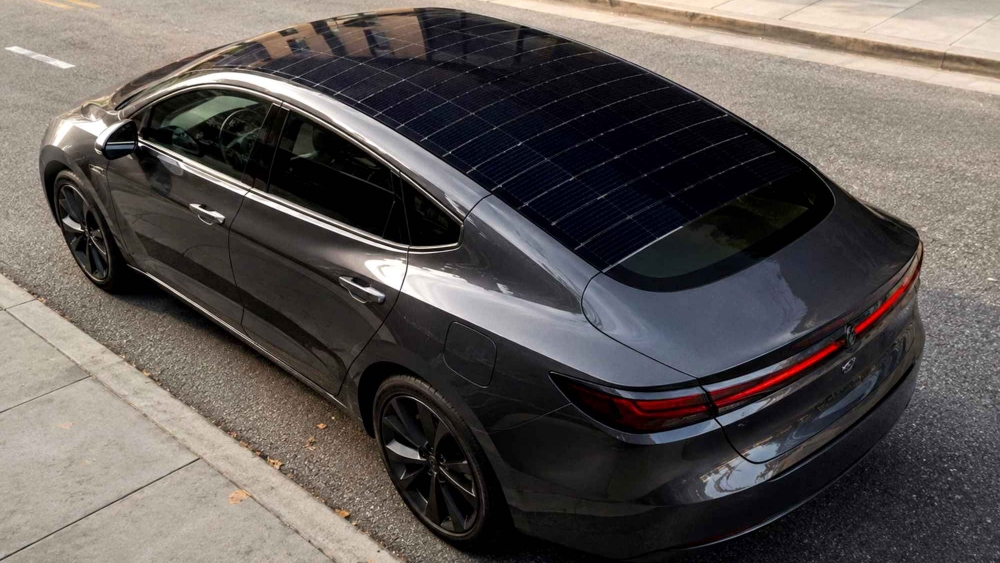
The NHTSA has been investigating these shatterings since 2013.
One of the first major investigations began with the Kia Sorento in 2013, but the inquiry eventually extended far beyond that model. Subsequently, the NHTSA conducted a review analyzing 13 manufacturers, 97 models sold between 2006 and 2016, and approximately ten million vehicles equipped with panoramic sunroofs larger than half a square meter. Manufacturers reported over 4,000 incidents of spontaneous shattering.
Despite the high number of recorded incidents, the U.S. agency ultimately decided to close the investigation without finding sufficient evidence to justify widespread action. It is worth noting that no accidents were directly linked to the more than 4,000 cases mentioned. Only a few significant injuries were recorded, which explains why these shatterings have rarely resulted in recall campaigns. Determining the point where a fracture begins is a complex task. Possible causes for the appearance of cracks in vehicle glass include minor impacts from stones or other road debris, as well as accumulated stress within the glass and sudden temperature changes. Furthermore, the increasing size of panoramic roofs expands the surface area exposed to these factors. Meanwhile, manufacturing defects remain a possibility in certain cases, though they do not serve as a universal explanation for all of them.
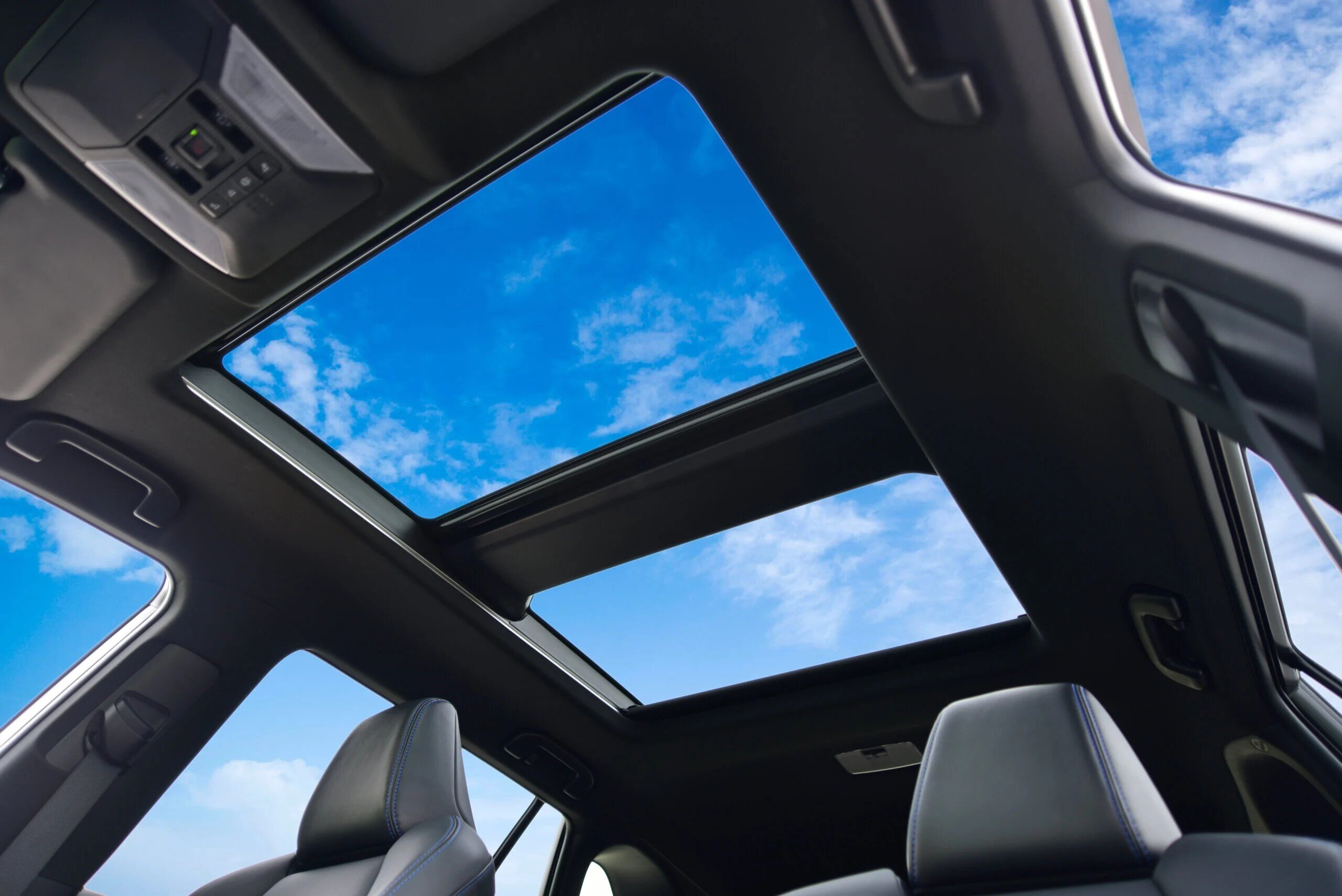
The type of glass used is once again under scrutiny.
Currently, a significant part of the debate centers on the materials employed. U.S. regulations permit the use of tempered glass in areas beyond the windshield, including sunroofs. When this material exceeds its structural limits, it shatters into a multitude of small particles. In contrast, laminated glass incorporates an interlayer that holds the fragments together even after breakage. While U.S. regulations mandate the use of laminated glass for windshields, they do not impose the same requirement for sunroofs.
The increasing prevalence of this feature helps explain the rise in claims: sunroofs now come standard on more than half of vehicles destined for the U.S. market, up from approximately 35% a decade ago. Manufacturers such as Hyundai maintain that their investigations have not identified an inherent defect, pointing instead to external impacts as the primary cause; similarly, Honda has not detected a significant safety trend among the claims it has received.
The NHTSA notes that major glass suppliers are shifting toward laminated solutions and improved materials, a move that could mitigate the consequences of such breakages in the coming years. However, the United States currently continues to authorize the use of tempered glass for these components, and there is no federal mandate requiring the adoption of the same standards used for windshields.