

Download the audio
Slide 1. Introduction.
The class develops the reasons that trigger the limp mode with the aim of protecting the vehicle in the event of certain faults and the implications for fleet management.
Slide 2. Reasons that trigger limp mode.
- Limp mode.
As emissions regulations become more restrictive, car manufacturers have to increase their investment to make their combustion engines more efficient. In addition to hybridization, engines are increasingly surrounded by electronics to reduce emissions into the atmosphere. All this electronics is managed by control units that can read the car's performance in real time and warn the driver in case of failure by means of warning lights. If the failure is serious, the vehicle enters “limp mode.”
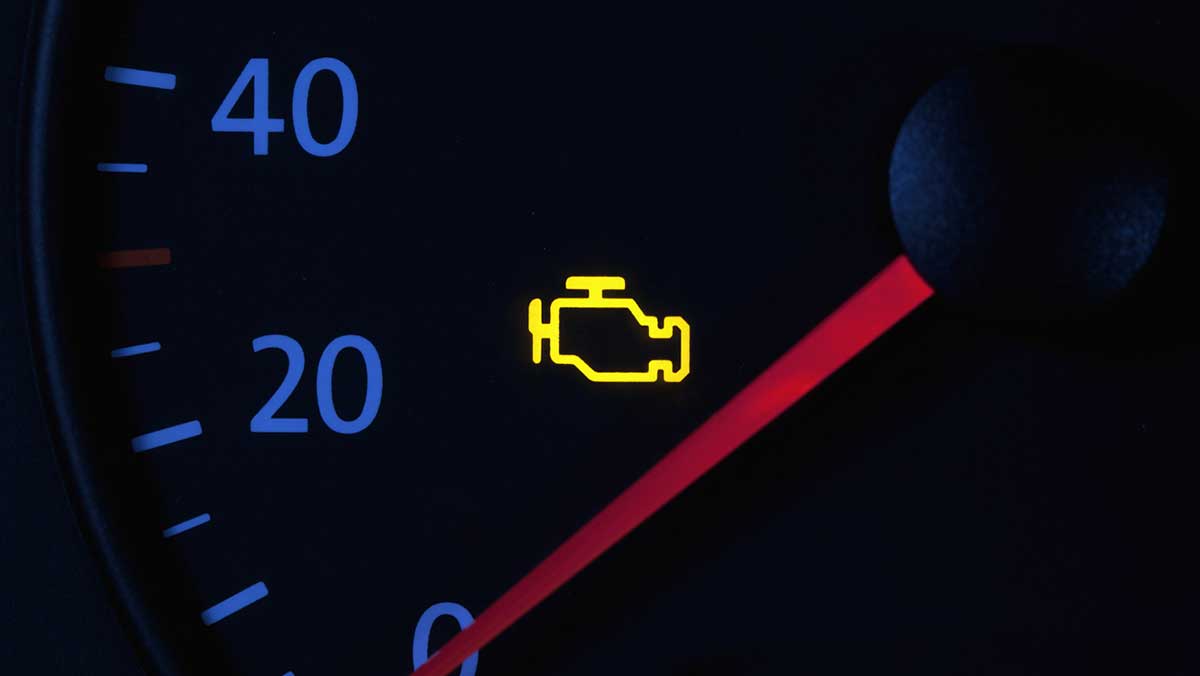
Also known as “self-protection mode,” its purpose is to protect the vehicle's mechanics. It is indicated by a yellow warning light in the shape of an engine. How does it work?, in most cases, it limits the engine's power to allow the user to leave the car in a safe place or even at a repair shop. Many of the breakdowns are related to the engine, but not all of them.
- Do not force the car in limp mode.
In limp mode, the vehicle is protecting itself. Continuing to drive at high speed or in forced gear can aggravate the original fault and even damage the engine or transmission.
That is why manuals and experts insist on not forcing the engine: the system is warning you that something is wrong, and accelerating can lead to serious damage. The best thing to do is to drive slowly to a repair shop. Remember that the purpose of limp mode is to prevent further damage and ensure that you reach a safe place.
- Typical symptoms.
When the car enters limp mode, you will notice several clear symptoms.
- Fault light on.
The “Check Engine” light or a yellow engine icon on the dashboard is activated.
- Sudden loss of power.
The car will no longer accelerate beyond a certain limit.
- It won't rev up.
Reducing speed to the minimum possible.
- Limited gears in automatic transmissions.
If the vehicle is automatic, it may get stuck in 1st or 2nd gear, losing a lot of acceleration.
- Jerking or irregular operation.
The engine may jerk, “run in spurts,” or have an unstable idle.
- Other signs.
Sometimes it deactivates traction control, the turbo, or the air conditioning.
In short, the car feels limited and will force the driver to slow down and seek help.
- Speed at which a vehicle can travel in limp mode.
The maximum speed allowed in limp mode depends on the vehicle model and the type of breakdown. It is usually between 60 and 80 km/h. However, when driving uphill, the speed can easily drop to 20 or 30 km/h, as much more power is needed and this mode does not provide it.
There may also be cases with slightly lower or, occasionally, slightly higher maximum speeds. In any case, the exact speed is not the most important thing. The key is to know whether you can get to the repair shop, even if it is much slower than usual.
- Reasons that activate limp mode.
It should be noted that the appearance of “limp mode” is not always fatal and that the vehicle may even function normally. It is best to go to a repair shop to have them run a diagnostic test and, through the control unit, read the faults and delete them if they are not actually occurring. With so much electronics, this often happens.
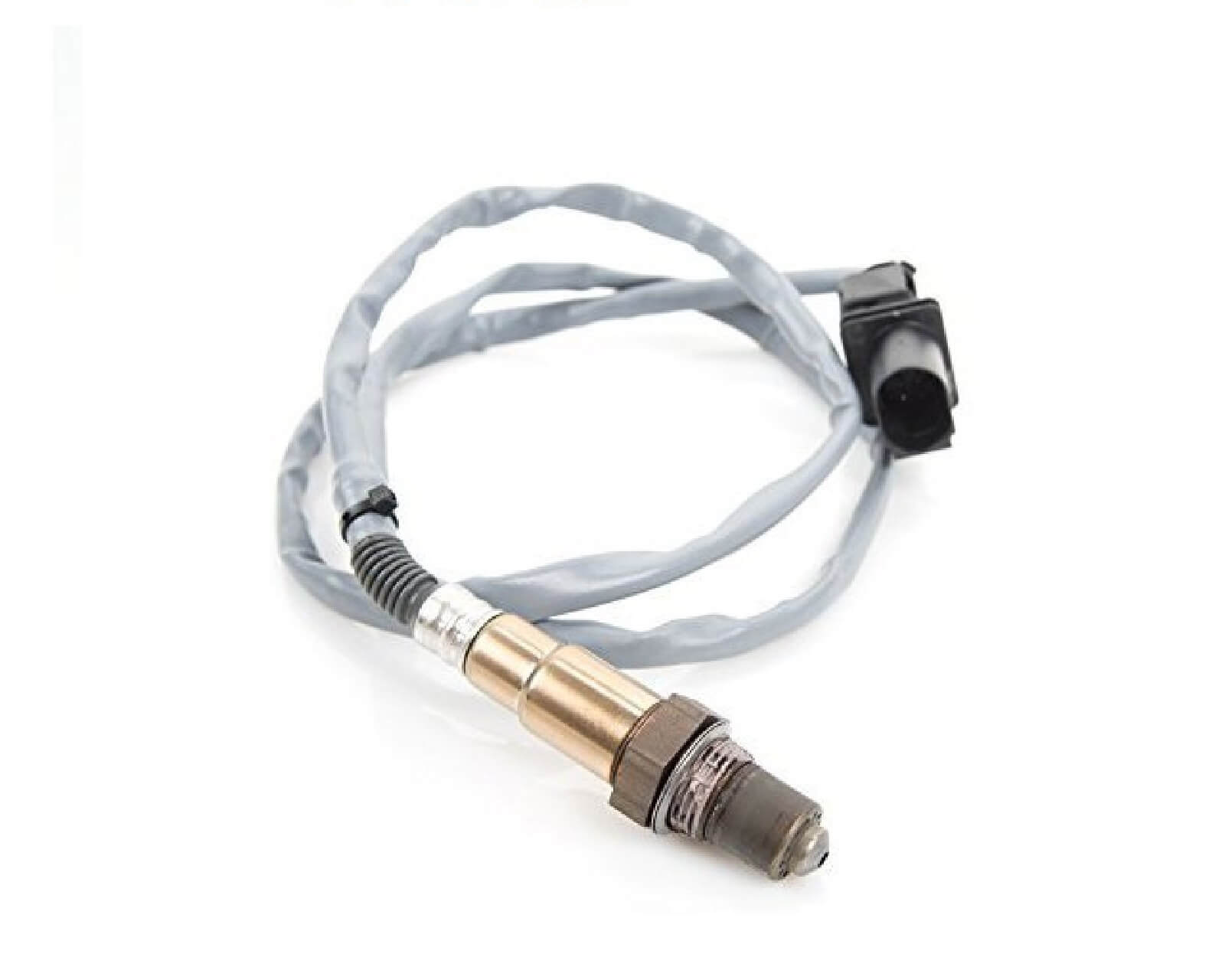
- Lambda probe.
Its function is to measure the oxygen concentration in the exhaust gases so that the engine can adjust the air and fuel mixture and achieve proper combustion. If it fails or does not measure correctly, it will trigger “limp mode.” Limp mode does not affect performance, but it does produce more emissions.
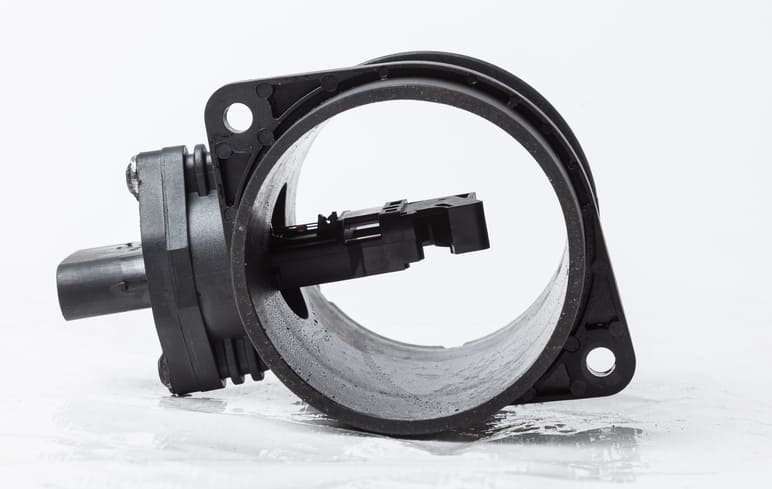
2.Flow meter.
This is a sensor that measures the amount of air entering the intake system and manages the amount of fuel from the injectors, as well as the gases coming out of the exhaust. In this case, its failure causes a loss of power.
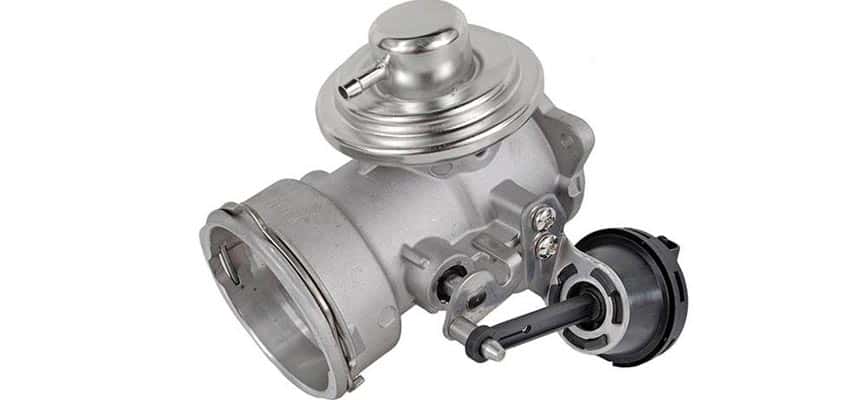
3. EGR valve.
This is common in diesel cars, although gasoline cars may also have it. Its function is to recirculate exhaust gases to the manifold to reduce emissions. For this reason, it is one of the components that suffers the most breakdowns. If the valve is electrically operated, the engine warning light will come on; if it is pneumatically operated, in most cases the warning light will not come on, but there will be a loss of power.
Turbocharger malfunctions due to pressure loss or poor performance.
5. Injection problems.
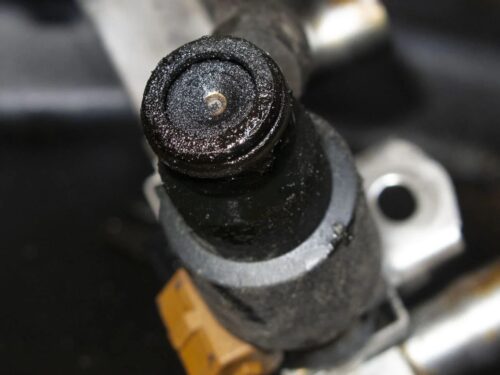
Dirty injectors or a faulty high-pressure pump cause incorrect fuel mixing. This leads to engine irregularities and usually activates limp mode.
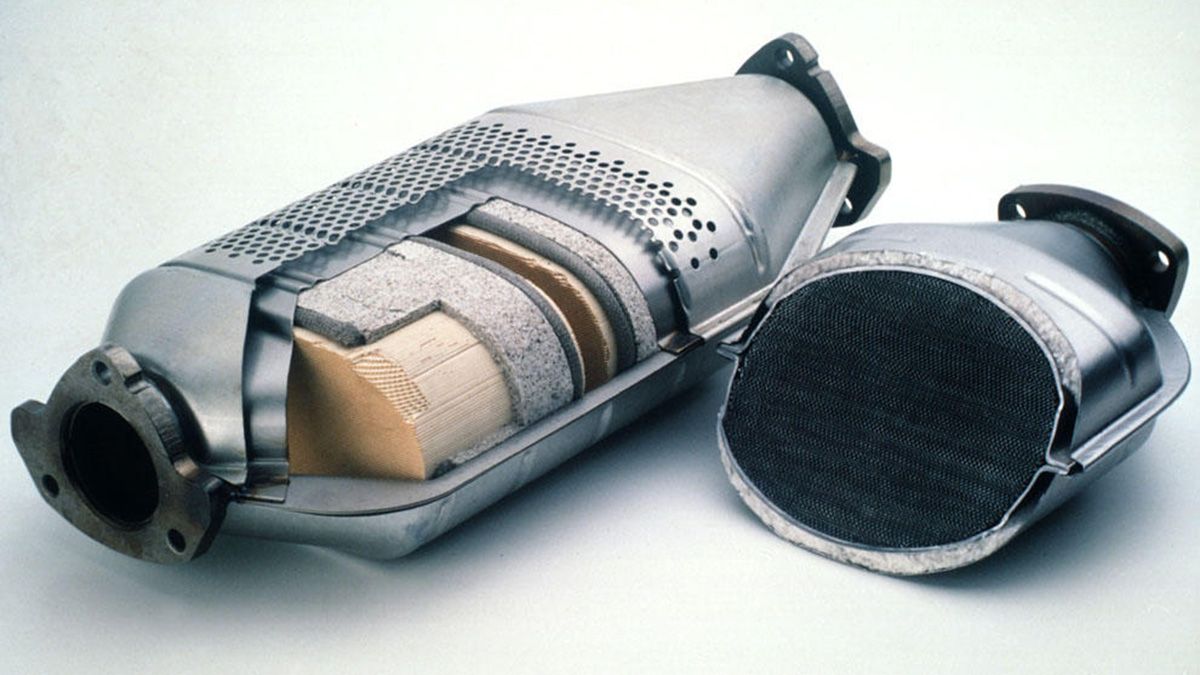
This is the component that reduces emissions the most. Located in the exhaust system, its structure contains several rare metals that capture the solid particles from the gases generated during engine combustion. If a malfunction occurs, limp mode is activated.
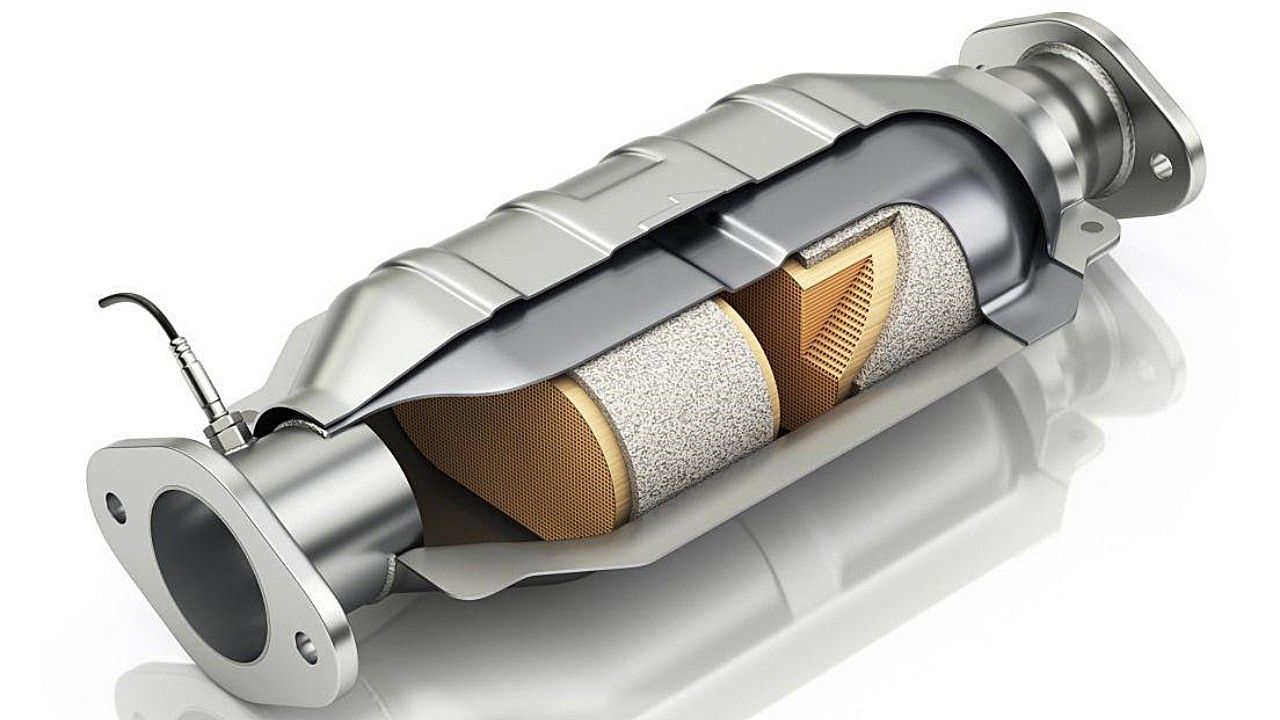
Also known as a DPF, this is fitted to diesel vehicles and its purpose is to trap the most harmful particles from combustion smoke inside it. It needs to be replaced every few thousand miles. If it is not replaced, it will become clogged, causing the engine warning light to come on and a noticeable loss of power.
8. Faulty sensors.
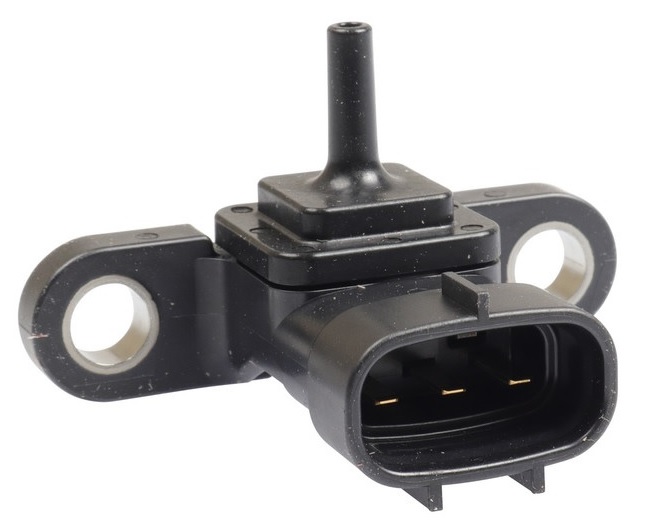
Failures in critical sensors, such as the air mass or flow meter sensor, the MAP sensor, the oxygen sensor, the turbo pressure sensor, the crankshaft position sensor, etc., can send erroneous data to the control unit and activate limp mode.
9. Spark plugs and heaters.
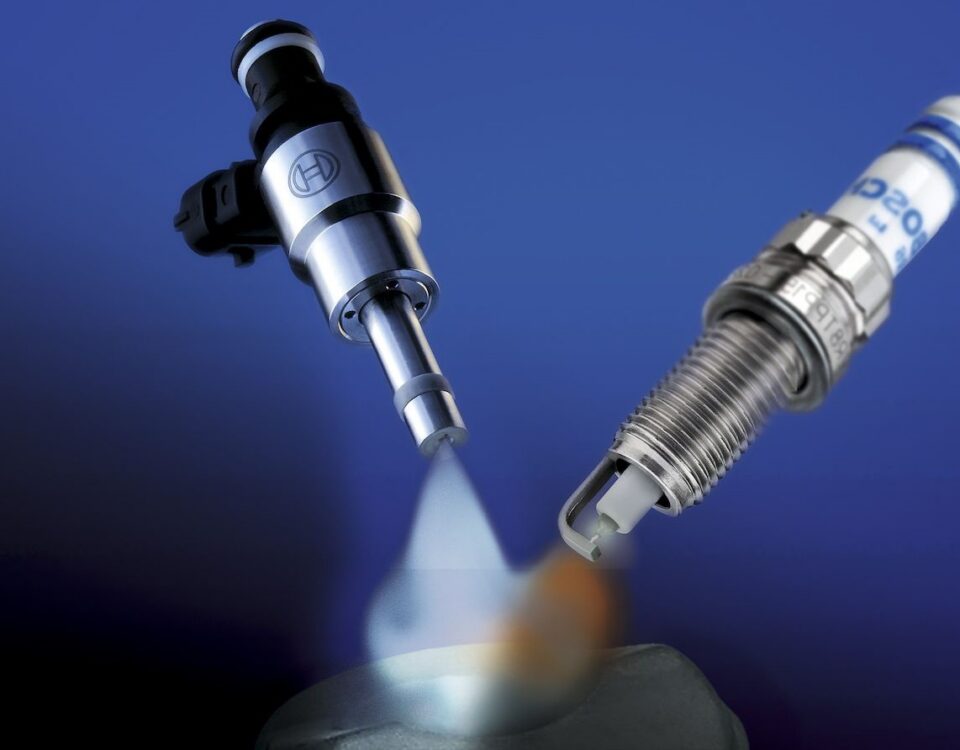
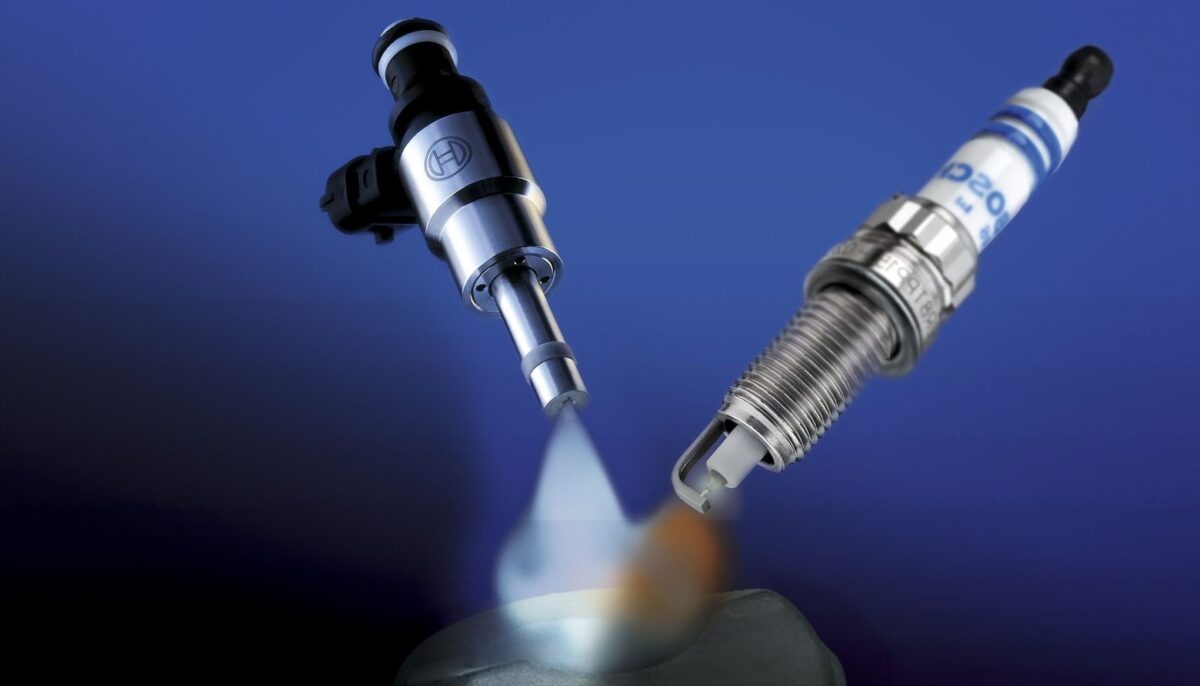
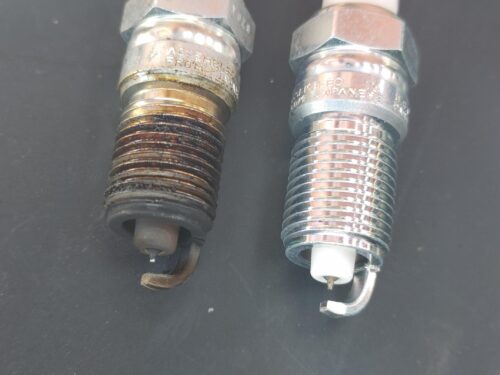
Spark plugs produce the spark that generates combustion in the engine. In gasoline vehicles, worn spark plugs or faulty wires can cause engine failure. In diesel cars, glow plugs or heaters help the vehicle start. If they fail, a specific warning light or the engine warning light may come on.
10. Automatic transmission gearbox.
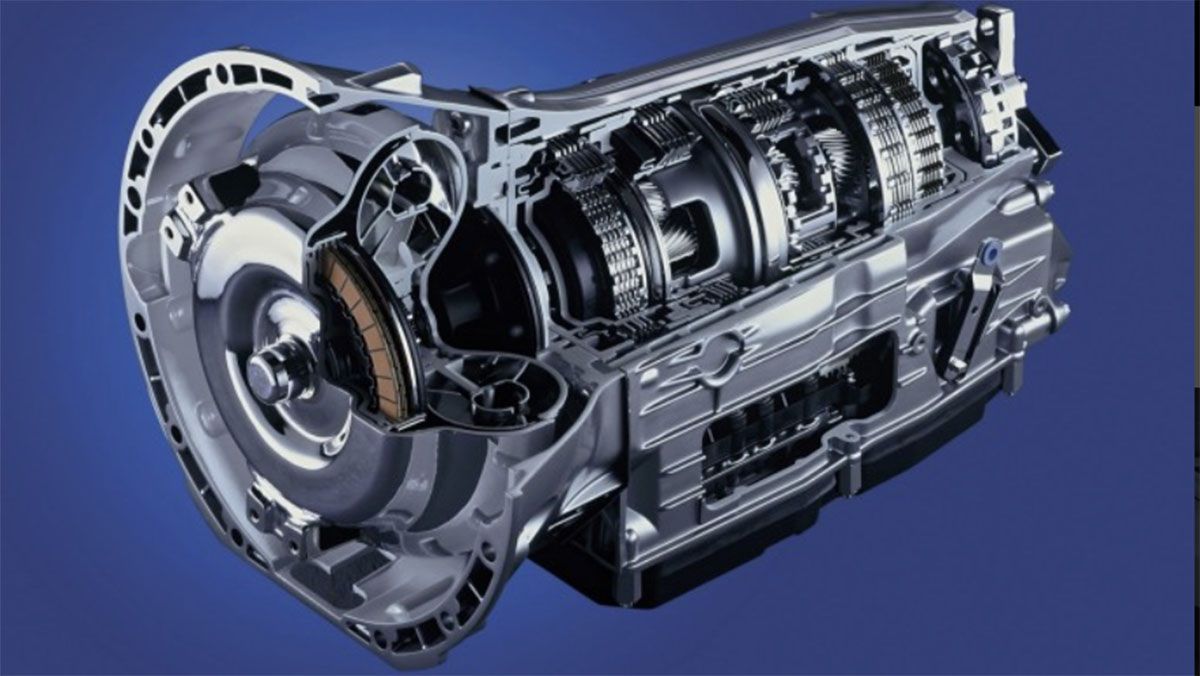
Limp mode may be activated if there are problems with automatic transmissions. In this case, the vehicle will have very limited functionality and will only engage first or second gear.
11. Engine malfunctions.
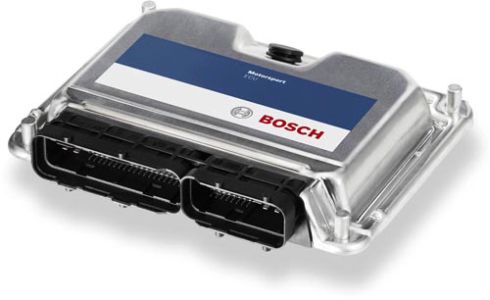
Limp mode may indicate a fault in the engine control unit-ECU, turbo boost pressure, camshaft sensor, ignition coils, or fuel injection pump.
12. Temperature.
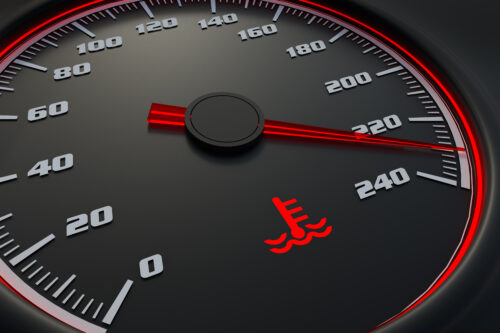
Excessive car temperature can cause the engine warning light to come on due to a malfunctioning thermostat or water pump. Turning off the car temporarily solves the problem.
- How to fix it.
- Consult the owner's manual for specific information on what this mode may indicate if it lights up.
- Visually inspect the sensors and components for any apparent damage.
- Check the levels of fluids such as oil and coolant, and any other fluids in the vehicle.
- Restart the electronic system. To do this, disconnect the battery for a few minutes. When you reconnect it, the entire vehicle will restart and the warning light should turn off.
- If none of this works, take the vehicle to a qualified mechanic for diagnosis and repair of any possible faults.
- The most reliable way to fix an limp mode is to perform a complete electronic diagnosis. To do this, connect a professional scanner to the control unit to read all the error codes.
Once the cause has been identified, for example, replacing a pressure sensor, cleaning the EGR, or repairing the injection system, the corresponding repair is carried out. After correcting the fault, the repair shop will be able to deactivate limp mode and restore the vehicle's normal power. Ultimately, only an accurate diagnosis with the right equipment will solve the problem at its root.
- Implications for fleet management.
The main consequence is that the vehicle has a fault and must be checked as soon as possible by qualified personnel at a repair shop to identify the fault so that it can be repaired. In addition, there is the cost and time involved in the vehicle being out of service.
The following measures are recommended.
- Preventive maintenance.
Breakdowns that trigger limp mode can be minimized with preventive maintenance planning.
Maintenance should be carried out as specified by the vehicle manufacturer and within the established time frame.
Take care of the sensors and keep them clean so that they function properly.
The cooling system must be kept in good condition to prevent the engine from overheating.
If a malfunction is detected in any component or system, it must be checked immediately and repaired as soon as possible to prevent further damage.
- Use diagnostics.
It is very important to use the diagnostic machine frequently to find out the error codes for vehicle faults so that they can be repaired.
There are currently telematics companies that offer remote diagnostics, allowing you to find out the error codes for vehicle faults in real time.
- It is very important to train drivers on.
What limp mode means and what the warning light on the vehicle's dashboard is.
What are the possible causes of the limp mode light coming on.
- How to act if limp mode is activated.
The vehicle must return to our facilities as soon as possible and the fleet manager or workshop manager must be notified of the limp mode incident.
If the vehicle is on an international route or far from our base, the fleet manager or workshop manager must be notified, who will then indicate which workshop to take the vehicle to. Fleets usually have roadside assistance and repair agreements with a network of workshops when traveling on routes far from our facilities, or they can take the vehicle to the official workshop of the vehicle brand.
It is not advisable for drivers to choose a repair shop to take their vehicle to if the shop does not have an agreement with our company, as this could void the vehicle's warranty or mean that the shop does not have the appropriate means to repair the fault.
Limp mode is an ally, not an enemy. Its activation does not always indicate a catastrophe, but it is a warning sign: something is not working properly in the vehicle. Detecting and correcting the fault in time can prevent major problems and ensure that the vehicle is safe, efficient, and complies with legal emission limits.
Slide 3. Thank you for your time.
The class has developed the reasons that trigger limp mode with the aim of protecting the vehicle in the event of certain faults and the implications for fleet management, see you soon.