
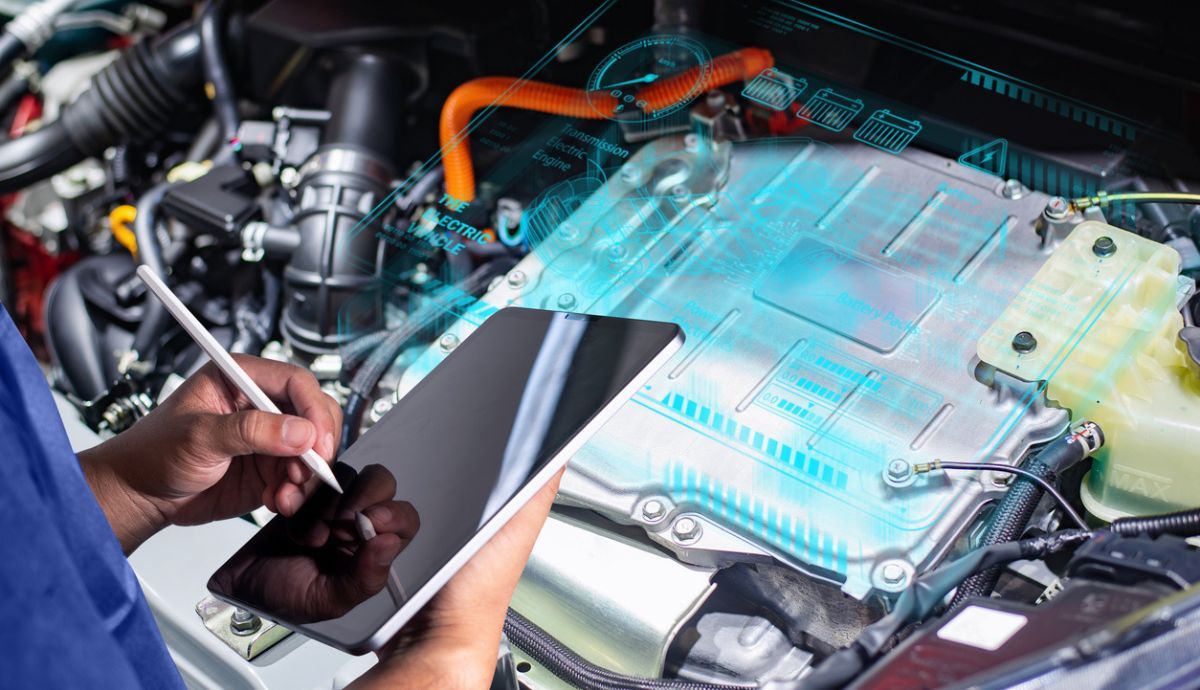
Electric vehicle maintenance costs arise later than those for internal combustion vehicles
The growth of electric cars is creating a scenario that was of little relevance until a few years ago: what happens when these vehicles have been in use for eight, ten, or more years. As the first generations reach this age, the need for repairs—which differ from the conventional ones required for gasoline or diesel vehicles—becomes apparent.
Indeed, the automotive aftermarket sector is noting an increase in the demand for repair services. Maximilian Wegner, an expert at the consultancy Roland Berger, explains in *Automobilwoche* magazine that electric cars still require less maintenance throughout much of their lifespan, although the gap compared to combustion vehicles has narrowed relative to initial estimates.
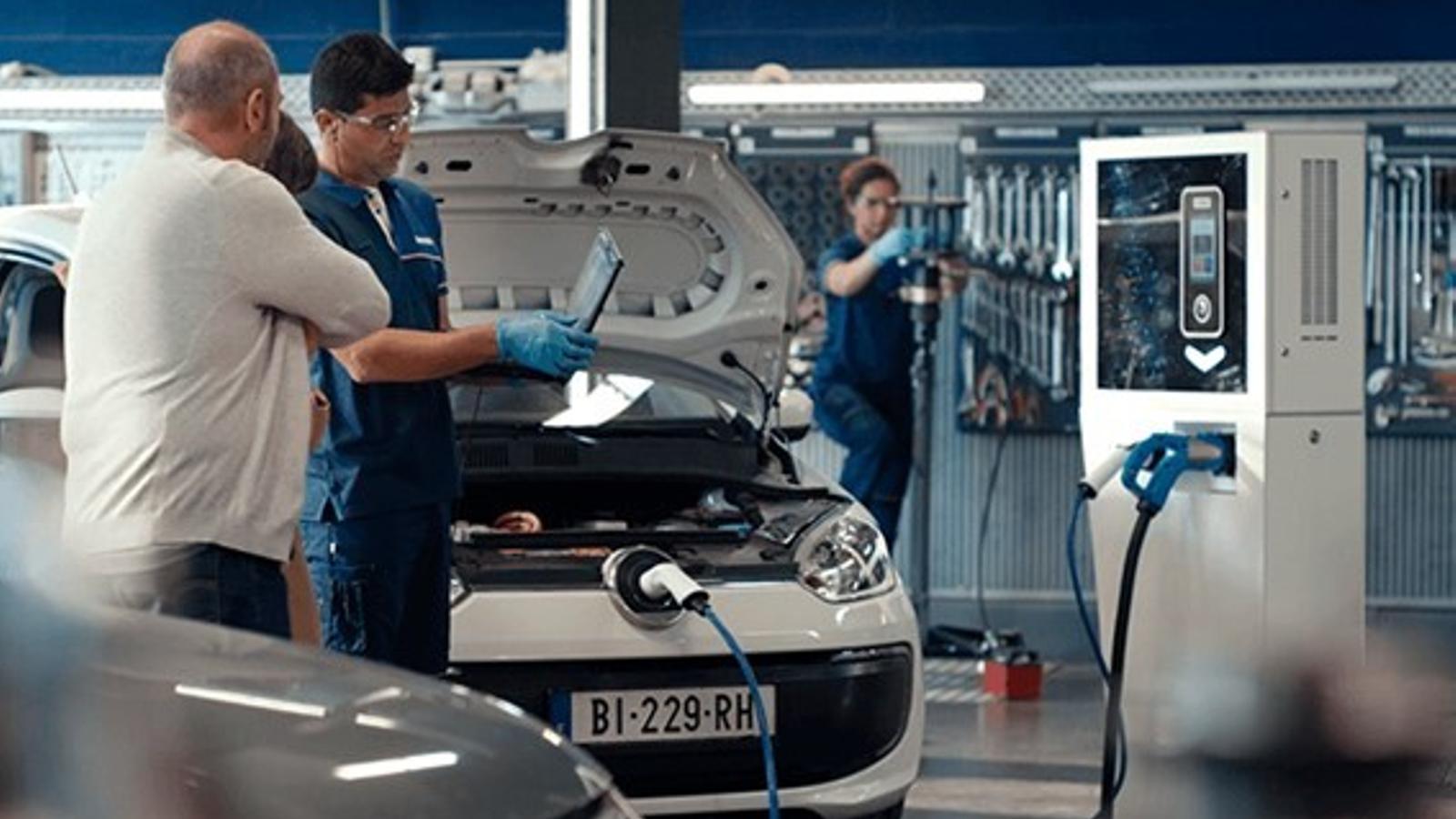
Savings are greater during the early years.
Initial forecasts anticipated maintenance cost reductions of between 25% and 50%. However, Wegner currently estimates the overall difference to be around 15%–20%. The absence of engine oil, filters, clutches, and belts, combined with reduced brake usage due to regenerative braking, keeps expenses low during the initial years.
According to his estimates, savings are projected to range between 20% and 40% over the first eight to ten years. This differs from the situation with combustion-engine cars, where many maintenance tasks arise progressively and are relatively predictable from the very first kilometers driven.
The issue arises when expensive components fail.
Once this initial stage is passed, the potential cost of certain repairs increases significantly. According to Roland Berger, repair costs can range from €5,000 to €25,000, depending on components such as the electric motor, power electronics, or the high-voltage system. Added to this are the higher level of component integration and software that ages along with the vehicle.
The battery is a major factor driving the need for repairs; however, complete replacement is not always necessary. The ADAC notes that many batteries can be repaired by replacing only the defective modules. Nevertheless, significant uncertainty remains regarding the availability and cost of such repairs outside of specialized service networks.
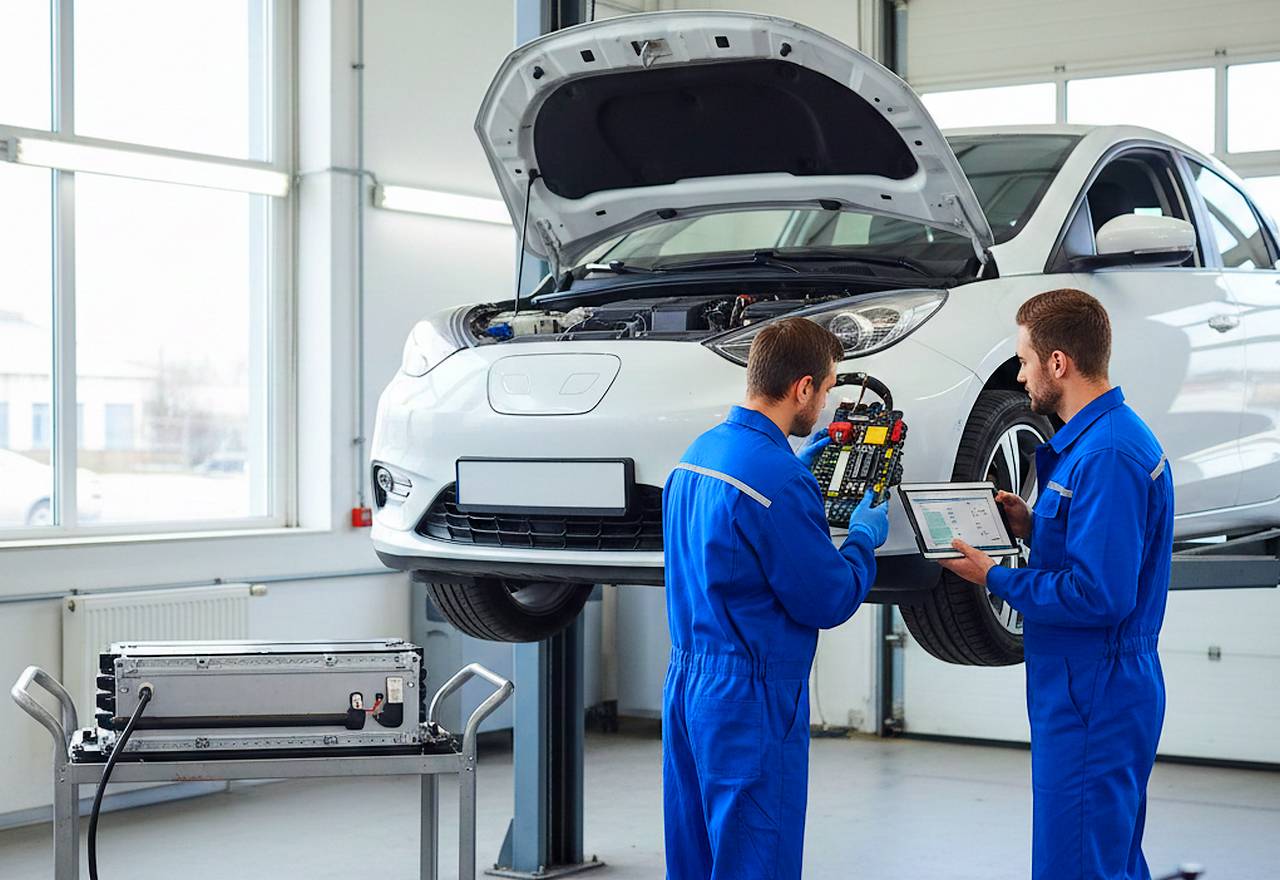
Independent workshops will need to adapt.
It is worth noting that the time when these repairs become necessary often coincides with the expiration of warranties. Currently, the industry standard among manufacturers is an eight-year or 160,000-kilometer warranty for the battery, typically guaranteeing a minimum capacity of around 70%.
Beyond this point, some owners choose independent workshops in search of more affordable options. Wegner believes these shops will need to enhance their training on high-voltage systems and improve their diagnostic capabilities, as the number of aging electric vehicles grows in the coming years, creating a demand for cost-effective repair solutions outside of official warranty coverage.