

How Volvo Reduces the Carbon Footprint of Its Electric Vehicles
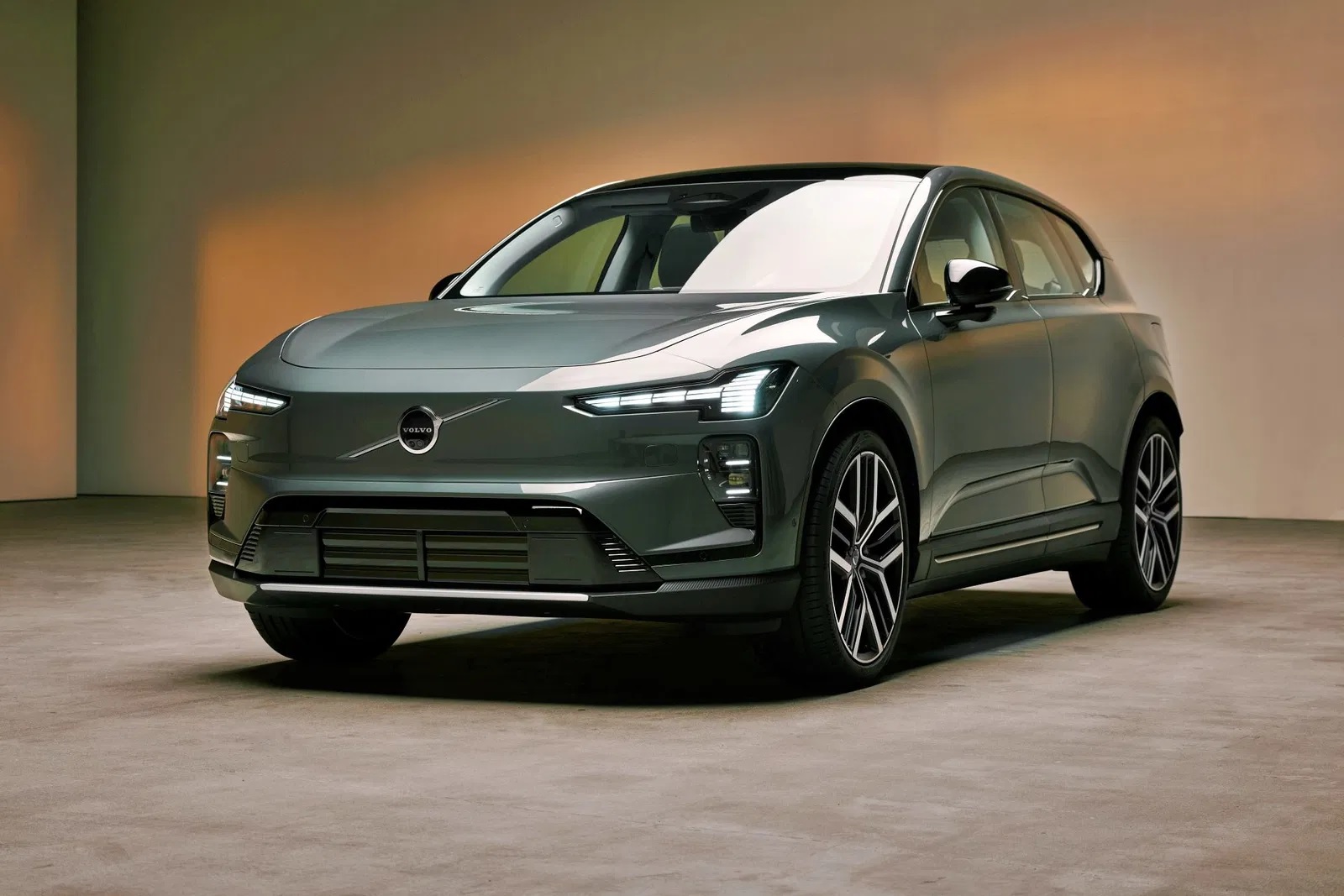
Volvo is immersed in a new era of electric vehicles, which began with the EX30 model and continues with the EX60. Although it is a larger vehicle, according to the brand's life cycle assessment, the new electric SUV achieves the same emissions level as the EX30, which until now had been the company's most environmentally efficient model.
The Swedish company publishes a carbon footprint report with each new electric model, a comprehensive analysis that covers all stages of the vehicle's life cycle, from the extraction and refining of raw materials to recycling at the end of its useful life, including an estimated 200,000 kilometers driven during the usage phase. This approach allows for measuring the climate impact beyond direct emissions from driving, which are nonexistent in an electric vehicle, and also incorporates the effect of material production, component manufacturing, assembly, and the electricity used to recharge the battery.
Less than 30 tons of CO2.
The EX30 model was the first from the brand to achieve a carbon footprint of less than 30 tons of CO2 throughout its entire lifecycle. The version equipped with an LFP (lithium iron phosphate) battery registers 23 tons of CO2, while the Long Range variant with an NMC battery reaches 28 tons. These figures represent a 35% reduction compared to equivalent vehicles from previous generations, thanks to improvements in raw material sourcing, energy efficiency in production, electricity consumption during use, and recycling at the end of its useful life.
The EX60 maintains this level of emissions despite its larger size: the base version, equipped with an 83 kWh battery, achieves a carbon footprint of 23 tons of CO2 throughout its lifecycle, equivalent to 117 g/km. If the vehicle is charged exclusively with wind-generated electricity, this figure drops to 92 g/km, representing an additional 21% reduction.
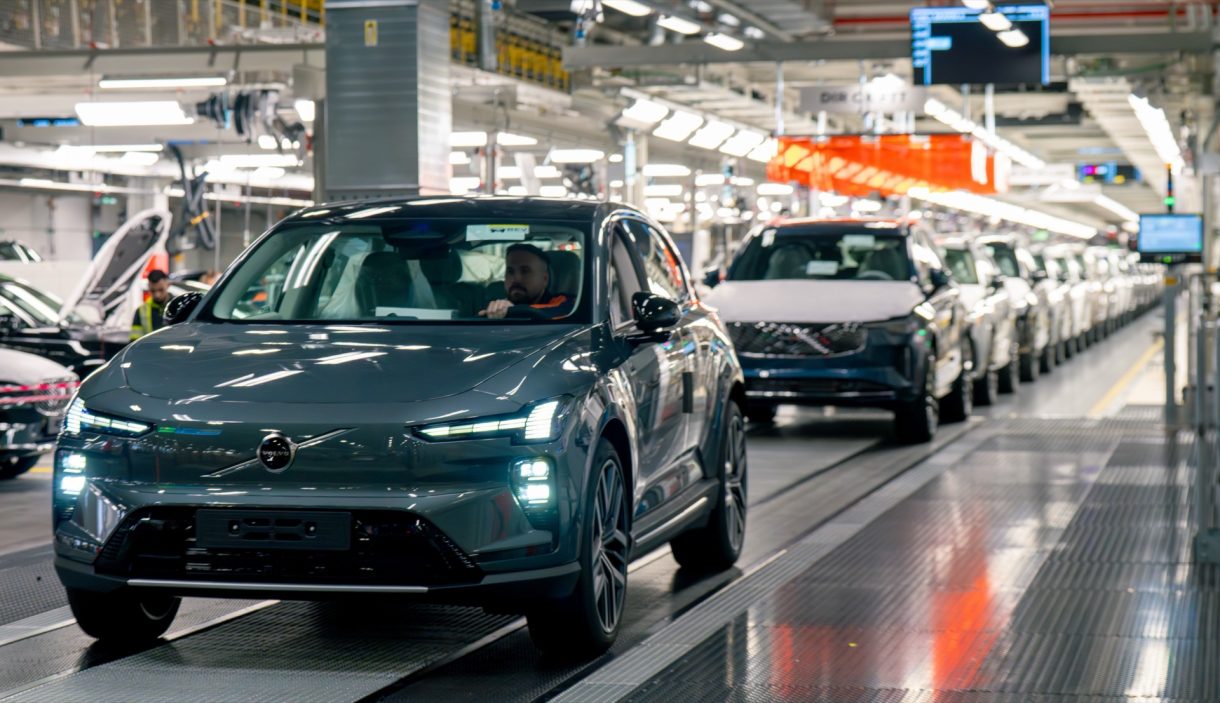
Part of this improvement is attributed to new manufacturing and design solutions, such as mega casting, a system that allows the rear aluminum floor to be manufactured as a single piece, reducing materials and assembly processes. Also noteworthy is the cell-to-body battery architecture, in which the cells themselves form part of the vehicle's structure. Furthermore, there is a greater use of renewable energy during production and an increase in the use of recycled materials. As a result, it can be concluded that the use of these technologies allows for a 26% reduction in emissions compared to a production scenario without them, which is equivalent to avoiding approximately 8 tons of CO2 per vehicle over the 200,000 kilometers considered in the study.
The importance of recycling materials.
It is also important to point out that materials continue to be a key area of focus. Aluminum, steel, iron, and polymers represent the majority of the carbon footprint associated with the manufacture of an electric vehicle. In the EX60 model, aluminum represents 22% of the vehicle's total weight, but there is a notable increase in the proportion of recycled material, rising from 31% in the EX30 to 49%. Likewise, there has been a modest increase in the percentage of aluminum produced using low-emission processes, from 32% to 34%.
This improvement also extends to steel and iron, which make up 38% of the vehicle. In this case, the recycled content increases from 17.5% in the EX30 to 29% in the EX60. Polymers exhibit a distinct approach: the new model incorporates 13% recycled plastics and 7% bio-based materials, while the EX30 used 19% recycled polymers. In other strategic components, such as the battery's cathode and anode materials, the recycled content reaches 30%, while the copper used incorporates 17% recycled material.