



London Ambulance Service Electrifies Fleet with 77 Electric Emergency Vehicles
The new electric vehicles include 37 ambulances and 40 rapid response vehicles. This strategic acquisition positions the organization as the UK leader in fully electric ambulance fleets, with a total of 41 ambulances, 81 rapid response vehicles, and three electric motorcycles.
The London Ambulance Service (LAS) has not specified the make of the new electric vehicles, although the press release mentions a Ford Explorer model. This aligns with previous orders, as the LAS has collaborated with Ford before; notably, the automaker delivered 19 electric ambulances based on the Ford Transit chassis in 2022.
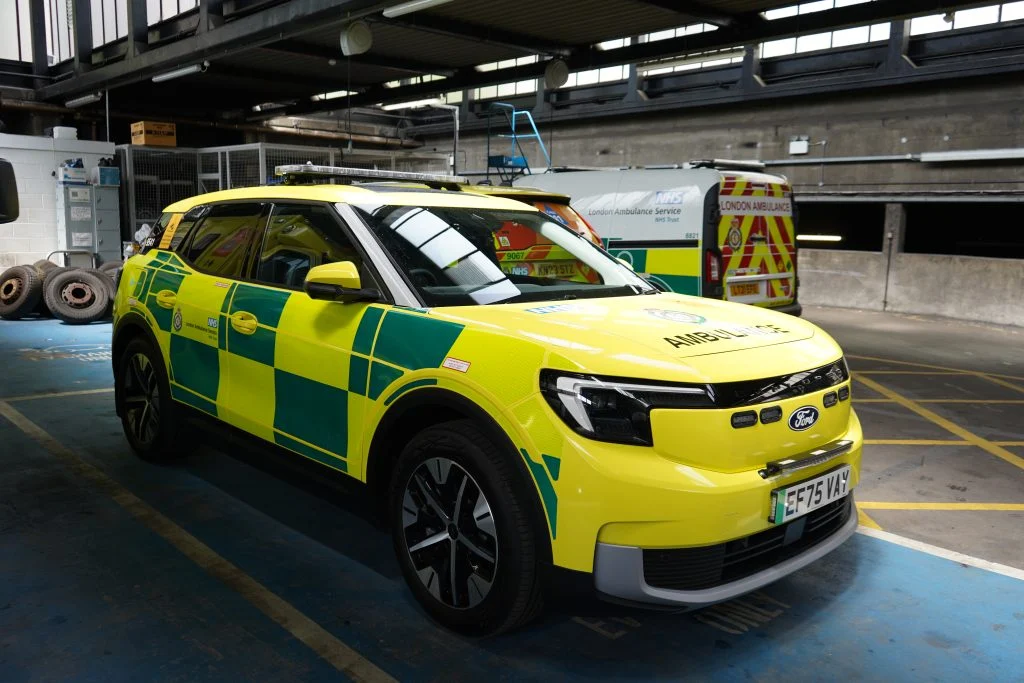
The rollout of the new vehicles is taking place gradually over the summer, accompanied by new investments in charging infrastructure. Last year, the ambulance service installed 288 electric vehicle charging points across 18 London ambulance stations, meaning 27% of its facilities are now fully equipped for charging. Plans are in place for all London Ambulance Service facilities to be equipped with charging infrastructure by 2028.
The London Ambulance Service confirms that the electric ambulances can complete a full 12-hour shift on a single charge. In addition to eliminating tailpipe emissions, the organization expects operational benefits from the new vehicles, including lower running costs, reduced maintenance requirements, and greater vehicle availability. The service anticipates a 75% reduction in maintenance-related downtime compared to conventional vehicles. According to information provided by the organization, approximately one-quarter of its 1,200-vehicle fleet can currently run on electric power, including both fully electric and hybrid models. The new vehicles are part of an ongoing program to replace diesel vehicles as they reach the end of their service life.
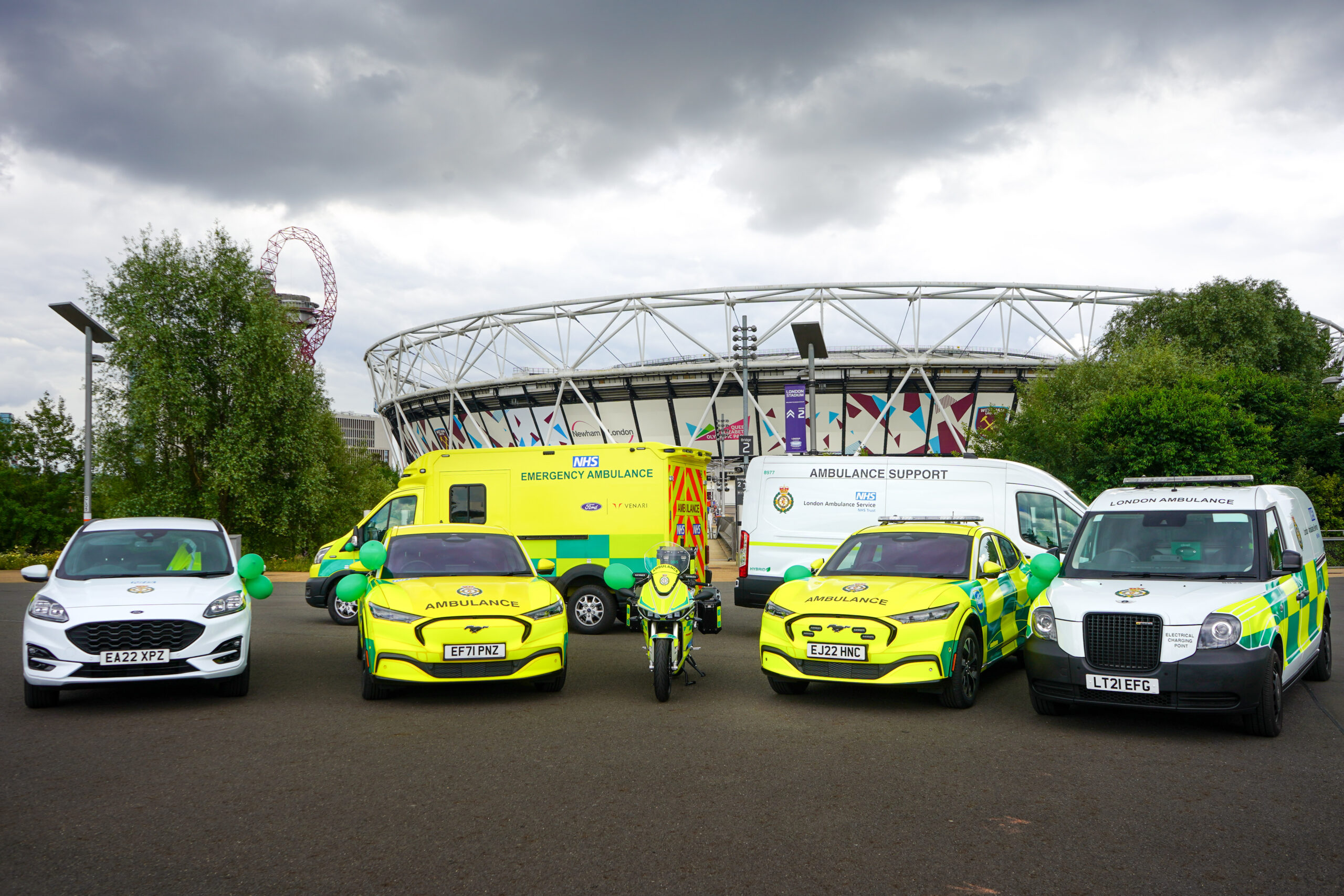
Jason Killens, Chief Executive of the London Ambulance Service, described the fleet expansion as "a major milestone for us, as it allows us to move faster towards a carbon-neutral fleet and deliver better healthcare to millions of Londoners."
"Expanding our electric fleet brings benefits for patients, as well as for London and the environment. These vehicles produce zero emissions and help tackle air pollution, which can aggravate serious health conditions," he stated. "Furthermore, they are more efficient to maintain, meaning more ambulances are available to respond when needed, while also generating financial savings for taxpayers through lower operating costs."
The fleet expansion supports the organization's four-year "Green Plan," which outlines its decarbonization strategy. The London Ambulance Service has reported a 12 percent reduction in carbon emissions. Since 2022, it has set a target of a further 20 percent reduction by 2029.