
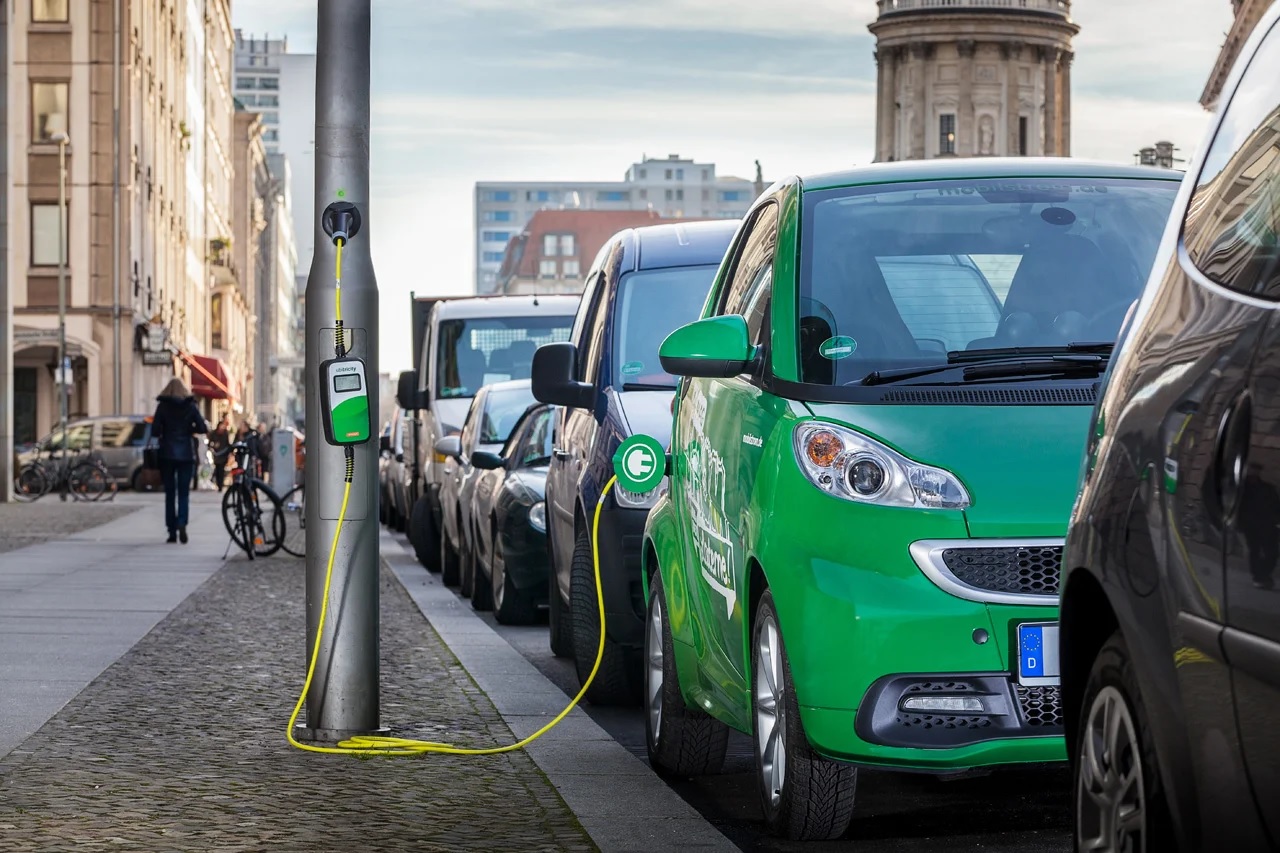
Charging Electric Cars on the Street Using Streetlights
Spain has yet to address the issue of electric vehicle (EV) charging, even though other European countries have already implemented effective solutions. These solutions include integrating charging points into urban infrastructure—such as sockets hidden within curbs or charging points built into streetlights. The latter option would allow vehicle batteries to be charged over several hours, eliminating the need for a private garage.
This approach is already being implemented in various cities across Germany, the Netherlands, and the United Kingdom, where local authorities are leveraging existing infrastructure to bring chargers closer to residential areas. In Spain, however, technical and regulatory constraints have hindered similar initiatives—this despite estimates from the OCU (Organization of Consumers and Users) indicating that approximately 70% of vehicles are parked on public streets overnight.
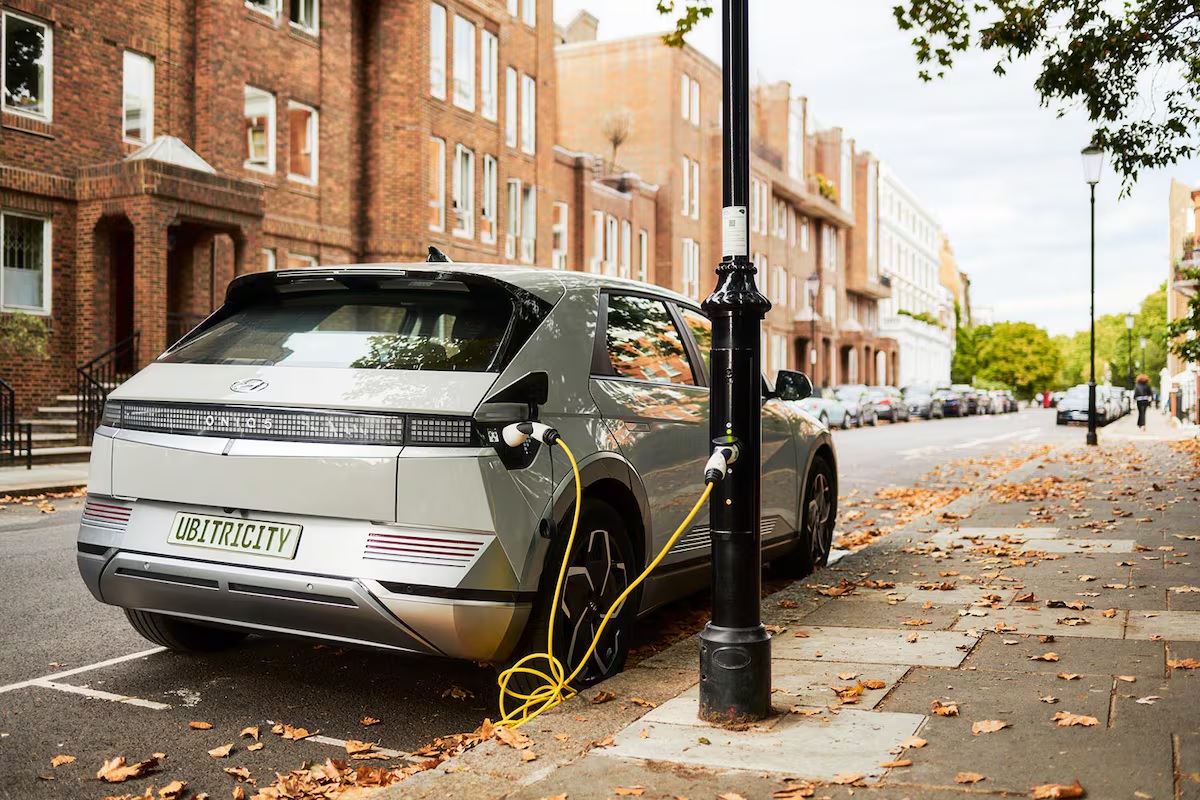
Germany and the UK already have solutions for charging cars without a private garage.
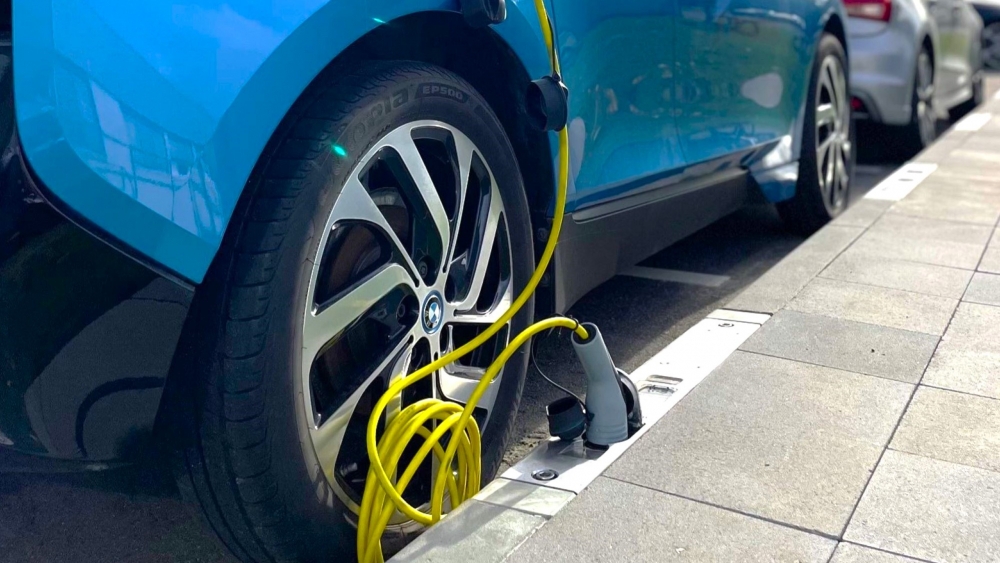
One of the most advanced projects was developed by the German manufacturer Rheinmetall, which created a charging system—capable of up to 22 kW—integrated directly into the curb. This technology underwent rigorous 12-month testing in Cologne, where four units facilitated over 2,800 charging sessions and achieved a technical availability rate of over 99%, according to results published by the company in May 2025.
The German experience also demonstrated that drivers were receptive to this infrastructure, giving the system an average rating of 4.38 out of 5. Meanwhile, London has opted to utilize streetlights to provide electrical outlets next to parking spaces—as seen in the 24 units installed on Sutherland Avenue (known as "Electric Avenue W9") and through similar initiatives in residential neighborhoods across the British capital. Furthermore, England has implemented a regulatory change that came into effect on October 21, 2026. This amendment allows for the installation of recessed channels in sidewalks to connect a home to a vehicle parked on the street, without the need for specific planning permission. It should be noted, however, that such work must be carried out by the relevant highway authority or be subject to its prior authorization. Additionally, certain protected areas are excluded from this provision.
Spain previously tested chargers integrated into streetlights, but legislation prevented them from remaining in place.
The situation in Spain differs significantly, particularly regarding the regulations governing electrical installations for public lighting. In late 2021, Valencia launched 22 charging points attached to streetlights; however, they were subsequently forced to remove them. According to *El País*, this was due to restrictions on sharing electrical infrastructure and conduits between the two services.
Currently, Article 17.5 of the Horizontal Property Law (*Ley de Propiedad Horizontal*) permits the installation of a private charger in an individual parking space within a communal garage, provided the homeowners' association is notified; the associated costs are borne by the individual. Technical requirements for these installations are set out in the ITC-BT-52 standard. Nevertheless, this regulation does not, in itself, offer an equivalent solution for owners who regularly park on public streets.
This distinction is particularly significant given the electrical requirements of different technologies: 150 kW direct-current (DC) fast chargers demand substantially more power than 7.4 kW or 11 kW alternating-current (AC) units. Moreover, grid connections can significantly extend installation timelines—so much so that Iberdrola has indicated that certain projects requiring a medium-voltage connection can take approximately two years to become operational. Consequently, systems currently being implemented in other European countries propose supplementing fast-charging stations with a network of lower-power chargers distributed throughout residential areas, with the aim of supplying energy while vehicles are parked. However, their expansion into Spain would depend on potential regulatory adjustments, the capacity of local electrical grids, and how the use of public parking spaces is managed.