Barcelona could save €66 million over 15 years if all its urban buses went electric
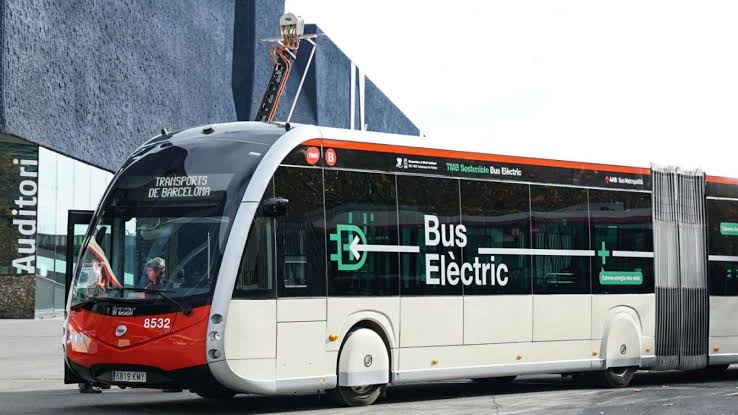
According to a study conducted by the Transport Innovation Centre (CENIT) at the Polytechnic University of Catalonia (UPC), Barcelona could save €66.5 million over the next 15 years by fully electrifying the bus fleet operated by Transportes Metropolitanos de Barcelona (TMB).
The analysis focuses on replacing 772 buses and examines two scenarios over a 15-year period: maintaining a renewal strategy based on conventional combustion technologies or completing the transition to electric vehicles. While the second option requires a significantly higher initial outlay, it offers substantial benefits in terms of reduced energy consumption and maintenance costs, potentially leading to greater long-term cost-effectiveness.
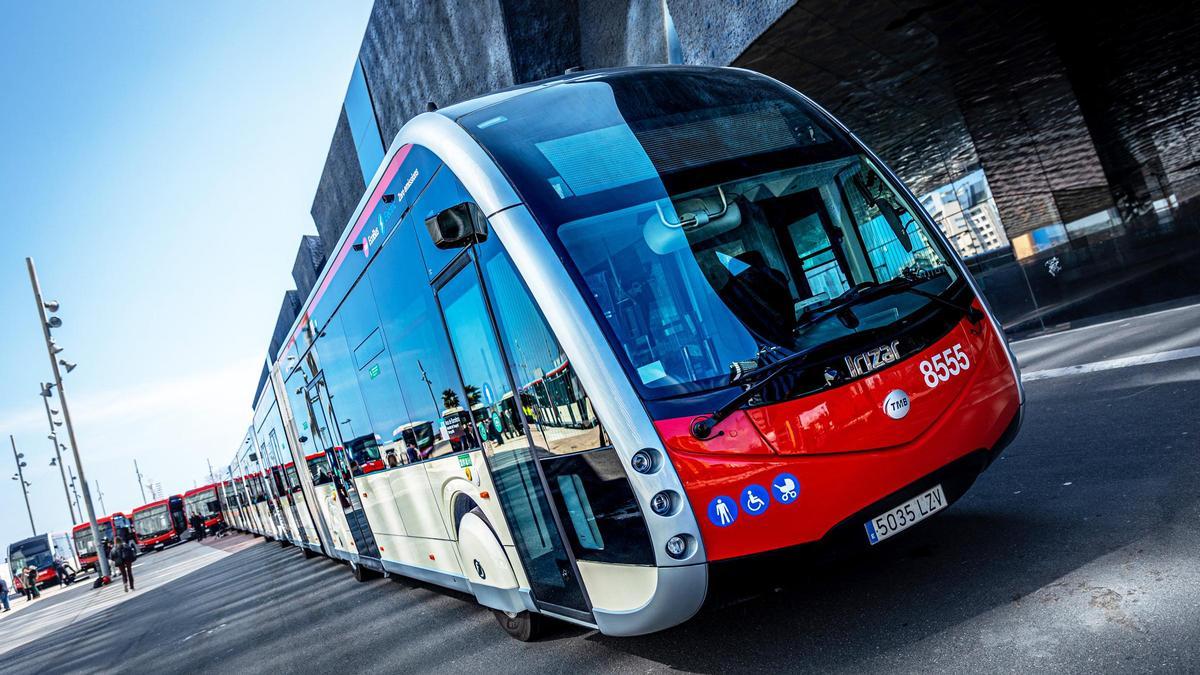
The study is based on actual TMB data.
To perform its calculations, CENIT took into account factors such as vehicle prices, necessary infrastructure investments, energy consumption, fleet mileage, and historical maintenance records. Researchers consulted with the company's technical staff and inspected the bus depots.
The analysis reveals a significant difference in the total cost of ownership (TCO): fully electrifying the fleet would cost €794.4 million, compared to the €826.9 million required to renew the current fleet using conventional combustion technologies. If potential revenue from Energy Savings Certificates (CAEs) were included, the cost of the electric option would drop to €760.4 million. The turning point lies in the initial investment, as acquiring electric buses would increase the outlay for fleet renewal from €268.2 million to €442.1 million. Furthermore, an additional €73 million would be required to complete charging infrastructure at the Horta and Zona Franca depots, whereas the conventional scenario would require only about €5.9 million for such infrastructure.
However, the higher initial outlay is offset by the long-term economic benefits of their operation. The study estimates that operating and maintenance costs would drop from €547.5 million in the standard scenario to €259.3 million with a fully electric fleet.
TMB President Laia Bonet explains that the analysis is crucial, as it provides a data- and evidence-backed affirmative answer to the question of whether electrifying a bus fleet is economically sustainable. It also makes it possible to quantify the economic and environmental benefits of such electrification, estimated at €66 million in savings.
The transition is already underway. The delivery of 136 new electric buses is expected between now and next year, bringing TMB’s zero-emission fleet to 30% of the total.
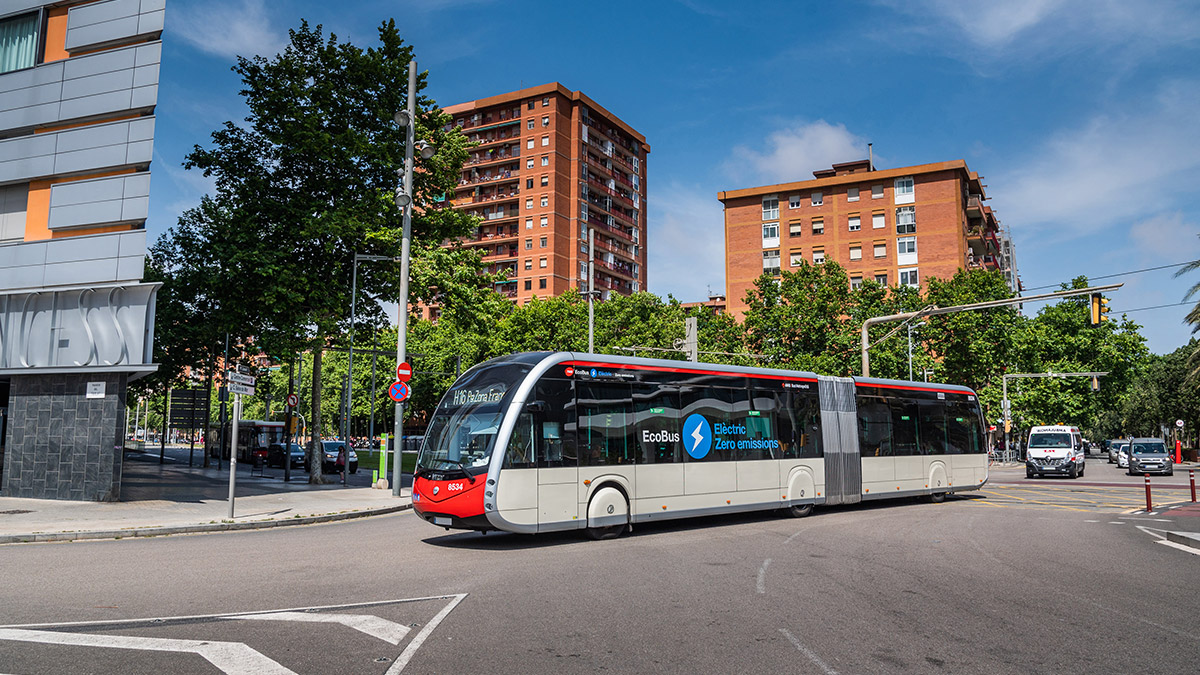
The benefits extend beyond the financial bottom line.
According to the study, replacing the fleet would prevent the annual emission of over 58,000 tonnes of carbon dioxide (CO2), as well as 91.7 tonnes of nitrogen oxides (NOx) and 594.2 kilograms of particulate matter from combustion engines. When factoring in the costs associated with climate change and the health impacts of air pollution, the additional social benefit of electrification would amount to approximately 81 million euros.
However, it is important to note that the feasibility of this measure depends on meeting certain prerequisites, such as maintaining a replacement ratio close to one electric bus for every conventional vehicle retired, ensuring new models have sufficient range to complete a full day's service on a single overnight charge, and including battery replacement within the manufacturer's warranty in procurement contracts.