Slide 1. Introduction.
The class develops what types of batteries exist, their advantages, and which one to use in a vehicle.
Slide 2. Types of car batteries.
- The car battery.
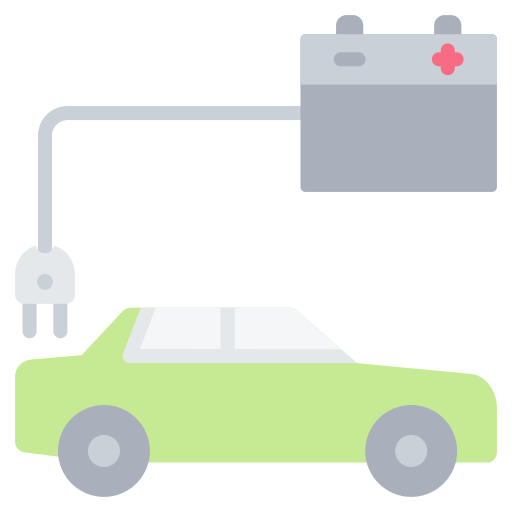
To select one of all the types of batteries for your car is a good way to guarantee its optimal operation and to avoid future problems. Batteries not only provide the energy needed to start the engine, but also power other electrical systems when the engine is not running.
Here we will explore the different types of car batteries available on the market and how to choose the right one for your vehicle.
- Types of car batteries.
The different car batteries that you can find in the market, are:
- Wet cell batteries (Lead-Acid).
The wet cell batteries are the most common and generally the most economic. They use lead plates immersed in sulfuric acid, which requires little maintenance. However, they can release gases during charging, so it is essential that they are properly ventilated.
- Calcium batteries.
This type of battery is similar to lead-acid batteries but with extra calcium in the plates. This change reduces plate corrosion and water loss, which prolongs battery life and reduces the need for maintenance.
- VRLA batteries, Gel and AGM.
VRLA, alve-Regulated Lead-Acid batteries are sealed and maintenance-free.
They are divided into:
Ø Gel batteries: They contain acid converted into gel using silica, ideal for vehicles with high electrical requirements.
Ø AGM (Absorbent Glass Mat) batteries: They use a fiberglass mesh that absorbs the acid, which allows greater efficiency and durability. They are perfect for vehicles with complex electrical systems or for use in extreme conditions.
- Lithium-ion batteries.
They are the preferred choice for electric and high-end vehicles due to their light weight and energy efficiency. These lithium-ion batteries can handle deep charges and have built-in circuitry to protect against overcharging.
- How to choose the right battery for your car.
If you don't want to fail in choosing your battery, follow these steps:
- Consult the vehicle manual.
Your car's manual is the first place to look to find specifications on the recommended battery. Here you will find details on the size, type and capacity of the battery that best suits your vehicle.
- Check the current battery.
Look at the battery currently installed in your car. Note information about the type, size, and amp-hour (Ah) capacity, and make sure the new battery has similar specifications.
- Consider your driving habits and climate.
If you live in an extremely cold or hot climate, or if your vehicle is equipped with multiple electrical accessories, you may benefit from an AGM battery for its durability and resistance to extreme temperatures.
- Shop where you can trust.
Purchase your battery from reputable auto parts stores or directly from authorized service dealers. This ensures you get a quality product that meets your vehicle's specifications.
- Risks of using an inadequate battery.
Using a battery that does not meet your car's specifications can lead to numerous problems, such as difficulty starting, insufficient charging of the vehicle's systems, and potential damage to the electrical system. In extreme cases, an inadequate battery can even overheat and cause a fire.
Choosing the right battery is essential to the maintenance and efficiency of your car. Be sure to follow the manufacturer's recommendations and consider your specific driving needs to select the best battery to ensure performance and safety.
Slide 3. Thank you for your attention.
The class has developed what types of batteries exist, their advantages, and which one to use in a vehicle.
Download the audio