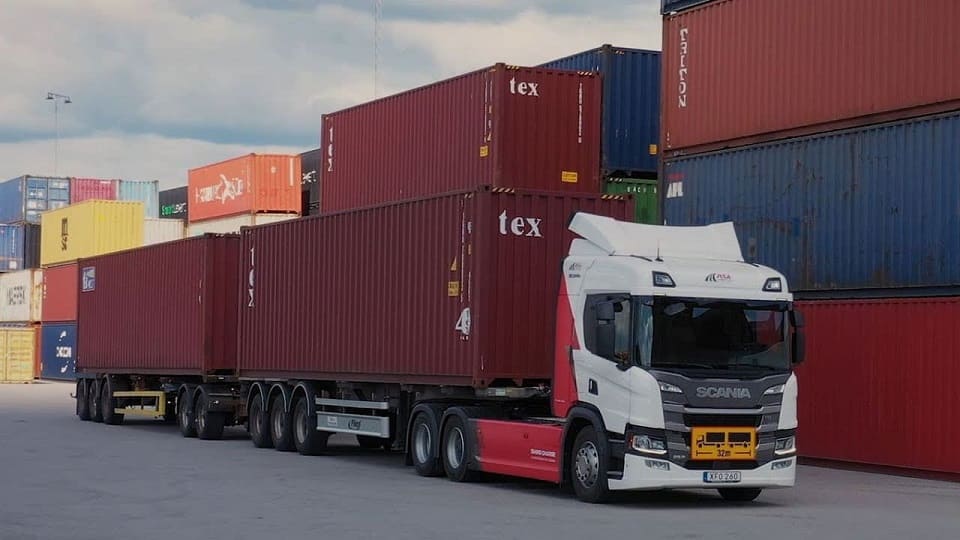
Jula Logistics acquires 20 electric trucks from Scania
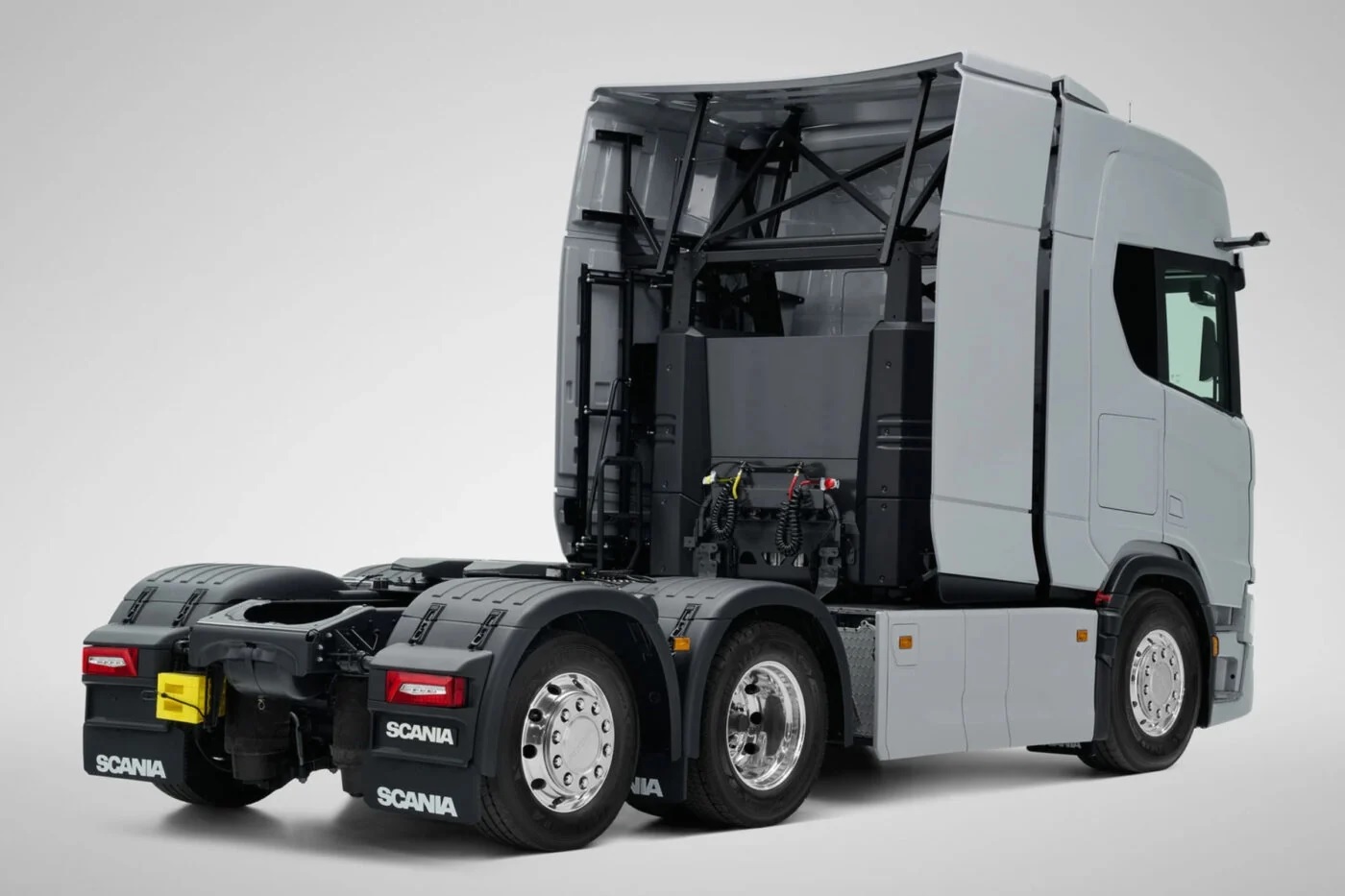
Jula Logistics has ordered a total of 40 battery-electric trucks, with delivery scheduled for 2027. The vehicles feature Scania’s new battery solution, which involves placing additional battery packs behind the cab. According to Scania, depending on the vehicle configuration and operating conditions, this technology enables a range of up to 720 km on a single charge.
Jula Logistics and Scania have been collaborating on transport electrification since 2021. Following a joint analysis of transport requirements, initial practical tests with battery-electric trucks were conducted. Currently, twelve Scania electric trucks are in operation, primarily in regional transport.
With these newly ordered vehicles, Jula Logistics and EcoLink aim to electrify longer transport routes within Sweden—routes that previously relied on diesel trucks. The companies benefit from Scania’s approach, which involves designing its electric trucks from the outset to meet the demands of heavy-duty transport in Scandinavia, characterized by high gross combination weights. "In fact, it is difficult for us to identify any routes that we cannot electrify," stated Rickard Bergqvist, Head of Business Development at Jula Logistics.
Jula Logistics also invests in energy infrastructure.
Jula Logistics has expanded its fleet of electric trucks while simultaneously investing in the energy infrastructure required for their effective operation. This includes the implementation of charging stations, as well as the integration of photovoltaic systems and battery storage solutions. The company is committed to scaling its power supply and charging capacity in line with the growth of its electric truck fleet.
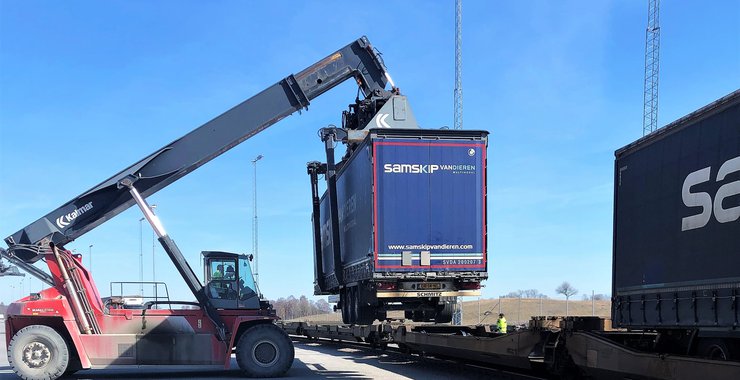
Jula Logistics has implemented electrification across various stages of its transport chain. Containers are transported to and from the Port of Gothenburg via electric trains, while handling within the terminal is carried out using electric forklifts. In certain logistics scenarios, battery-powered electric trucks take over the subsequent transport.
When making investment decisions, Jula Logistics carefully considers the total cost of ownership over the vehicle's entire service life. Since customers are not always willing to pay a significant premium for electric transport, factors such as energy costs and the projected residual values of both electric and diesel trucks play a key role. Through a process of gradual electrification, the company aims to avoid having to replace a large portion of its fleet all at once in the future.
Other companies in the logistics sector are also turning to Scania vehicles to electrify their transport operations, though they are following different investment strategies. For instance, the German logistics firm Rhenus is currently evaluating the "Truck-as-a-Service" offering from Juna (DE). An initial electric Scania truck is already in operation in the city of Düsseldorf. By the end of 2027, up to twelve battery-electric trucks are expected to be integrated into Rhenus’s German locations—all without the company having to incur the capital expenditure of purchasing the vehicles.