
A New Type of Graphite Could Enable Faster Recharging
The speed at which a lithium battery charges is directly related to how quickly lithium ions can insert themselves between the carbon layers of the graphite. Conventional methods for producing synthetic graphite require a high energy input. A research team led by chemistry professor James Tour at Rice University in Houston has recently developed a process that aims to address both of these challenges. The scientists have published their findings in the journal *Advanced Materials*.
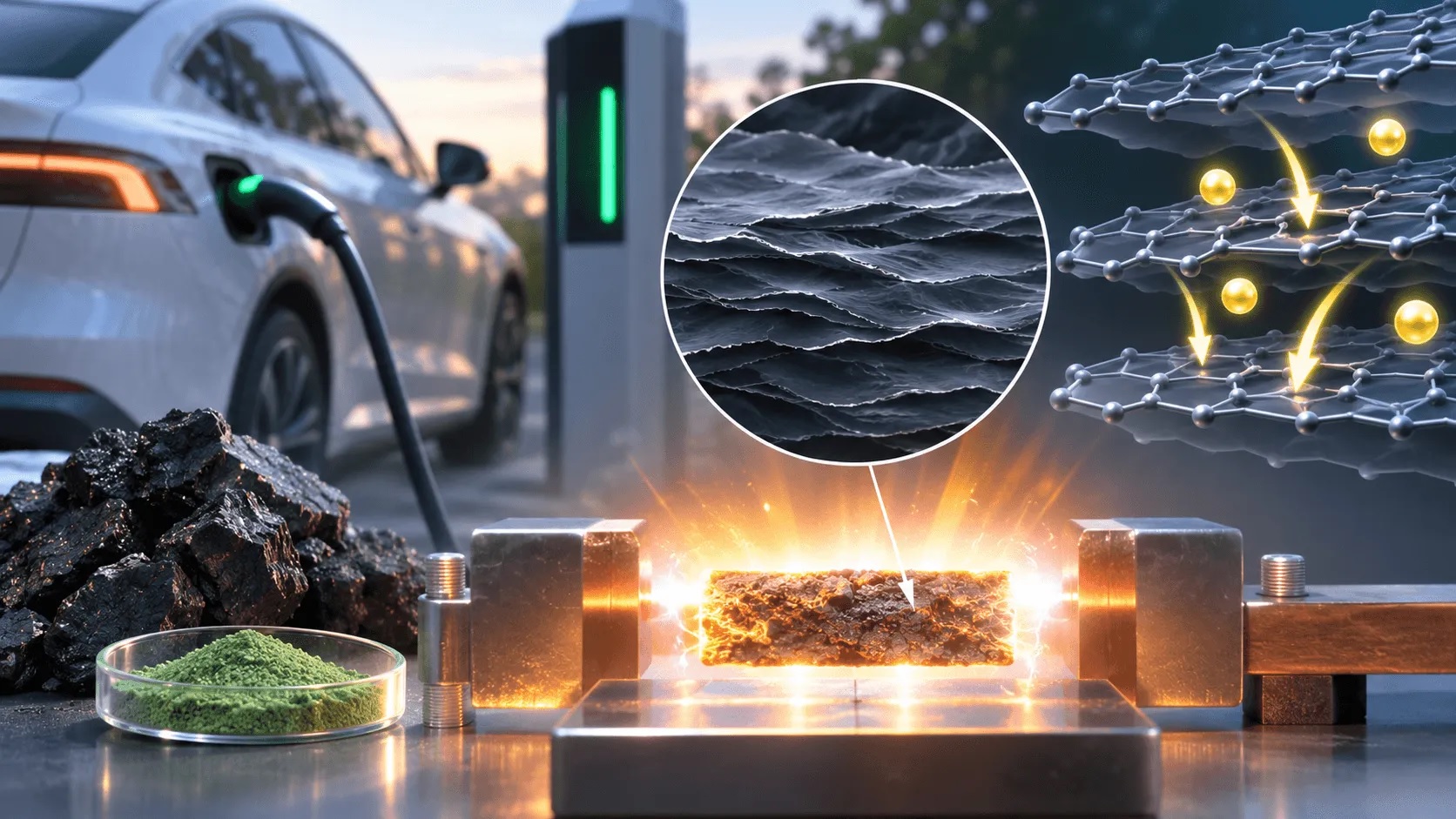
The raw material used is petroleum coke—a carbon-rich, relatively inexpensive by-product of oil refining. Following a procedure established by the researchers, a small amount of a nickel compound is added to this material. The mixture is then heated to approximately 2,500 degrees Celsius by applying a brief electrical pulse. In a record time of just 0.2 seconds, this yields graphite with a highly ordered carbon structure and very few structural defects.
"Nickel acts almost like a temporary construction worker, helping the carbon atoms organize themselves into a highly ordered, layered graphite structure," explains Haojie Zhu, the study's lead author. Typically, the production of graphite involves prolonged heating at extremely high temperatures.
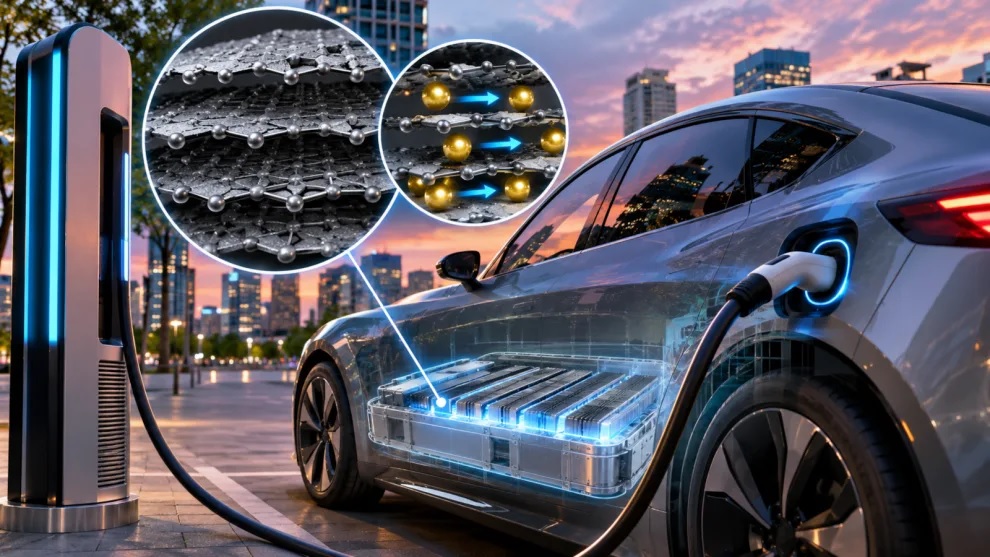
The choice of temperature is also critical: if it is too high, a significant amount of nickel is lost, whereas lower temperatures result in a less ordered graphite structure. Using nickel during the production process slightly increases the distance between the individual carbon layers to 0.34 nanometers. This facilitates the insertion of lithium ions during the charging phase, ensuring optimal and efficient integration. According to Rice University, the enhanced charging properties were maintained even after more than 99% of the remaining nickel was removed. Therefore, it is essential to recognize the crucial role that nickel plays in the formation of the structure.
As reported by the science-focused website Scinexx—citing the relevant study—it has been determined that the reversible specific capacity of the anode material reached 347.4 mAh/g at a rate of 0.25 C. At a temperature of 15 ºC, the product maintained a capacity of 158.8 mAh/g. According to Rice University, the material retained 80% of its capacity after 1,000 charge-discharge cycles.
In theory, a 15C rate corresponds to a four-minute charging time, based on the nominal capacity. It should be noted that, at present, there remain uncertainties regarding the extent to which these laboratory-based results can be applied to mass-produced electric vehicle batteries.
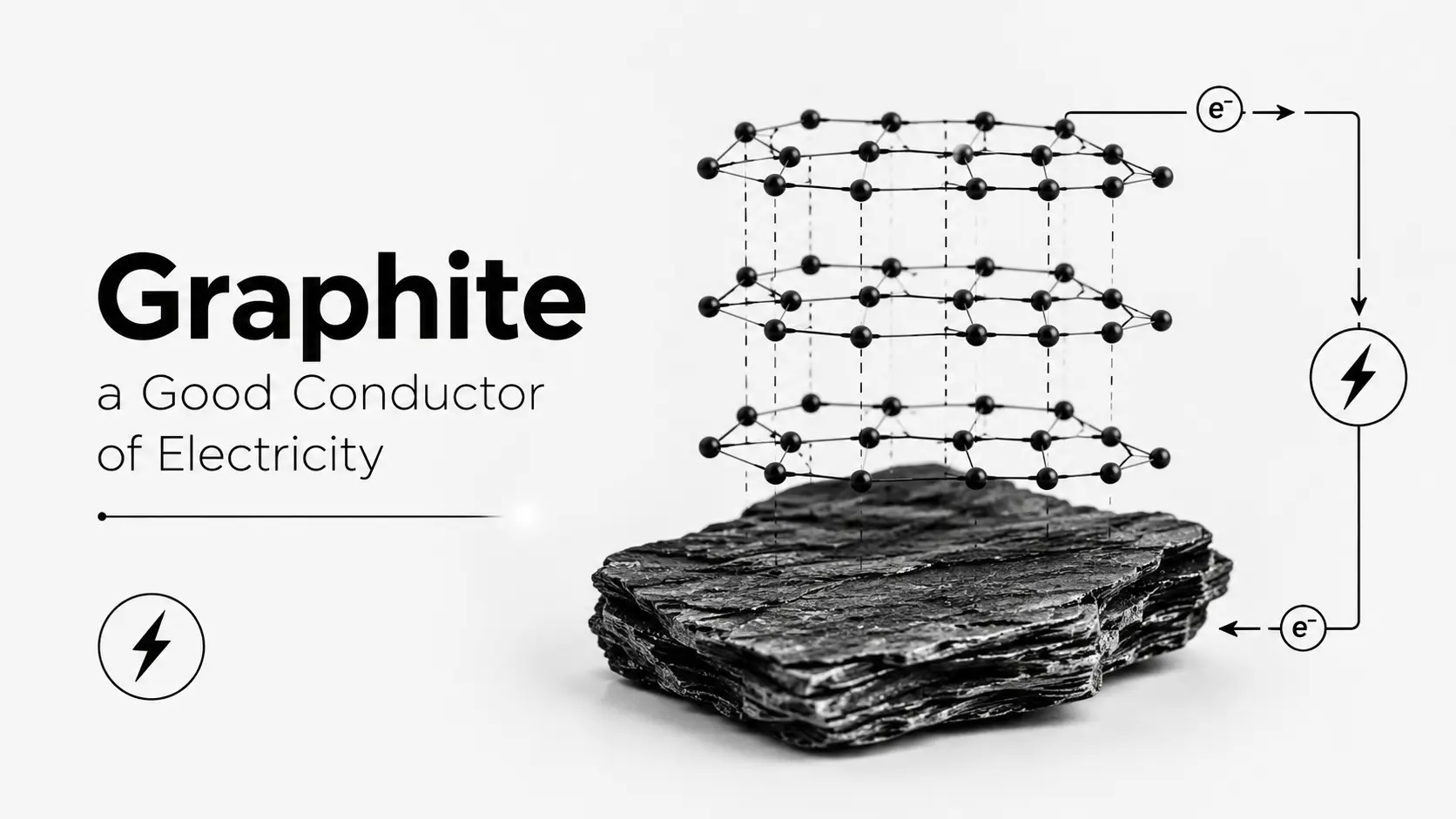
Graphite production costs could be reduced by 80%.
In addition to its excellent charging properties, scientists see economic potential in this process.
"This method addresses two fundamental challenges simultaneously: optimizing fast-charging performance in batteries and facilitating the production of a material essential to their operation," says James Tour. "Our analysis suggests that, by using innovative production techniques, it is possible to reduce energy consumption and greenhouse gas emissions by more than 80% compared to conventional graphite production."
The process could offer advantages in terms of production costs. According to Scinexx, scientists estimate that the production cost for high-quality, fast-charging synthetic graphite is $0.84 USD per kilogram—a reduction of approximately 80%.
However, these calculations are currently based on models. It remains to be seen whether these projected savings can also be achieved in an industrial production setting. Beyond optimizing the production of synthetic graphite, the battery industry is also actively developing processes to recycle anode materials.
Graphite—a material widely used in various industrial applications—presents specific challenges when it comes to recycling. The process is typically costly, and currently, most graphite processing—whether synthetic or mineral-based—takes place in China. Various methods for recycling and producing battery-grade graphite—including those derived from carbon capture or plastic waste—are currently being tested and evaluated to address this shortcoming.
Last September, the Norwegian battery materials company Vianode and the Italian battery manufacturer FAAM demonstrated how graphite recovered from production waste can be transformed back into anode material suitable for use in batteries. According to Vianode, the recycled material exhibits electrochemical performance comparable to that of virgin graphite. The next step for the partners is to scale up the process to an industrial level.