The Electrification of Ski Resorts
The electrification of transport is reaching sectors where, until relatively recently, it was difficult to imagine the disappearance of diesel engines. One such sector is that of ski resorts, where low temperatures, steep slopes, and long working hours pose a significant challenge for electric vehicles.
Nevertheless, the German manufacturer Kässbohrer—renowned for its PistenBully snow-grooming machines—has expressed its commitment to demonstrating the viability of electrifying this type of equipment. To this end, the company has announced a strategic partnership with ChargePoint, one of the world’s leading providers of electric vehicle charging solutions.
The scale of this agreement is particularly significant, especially considering that, according to ChargePoint, more than 50% of the snow-grooming machines sold globally each year are manufactured by Kässbohrer. This collaboration aims to provide charging solutions for ski resorts in Europe and North America, as well as for indoor facilities dedicated to snow sports.
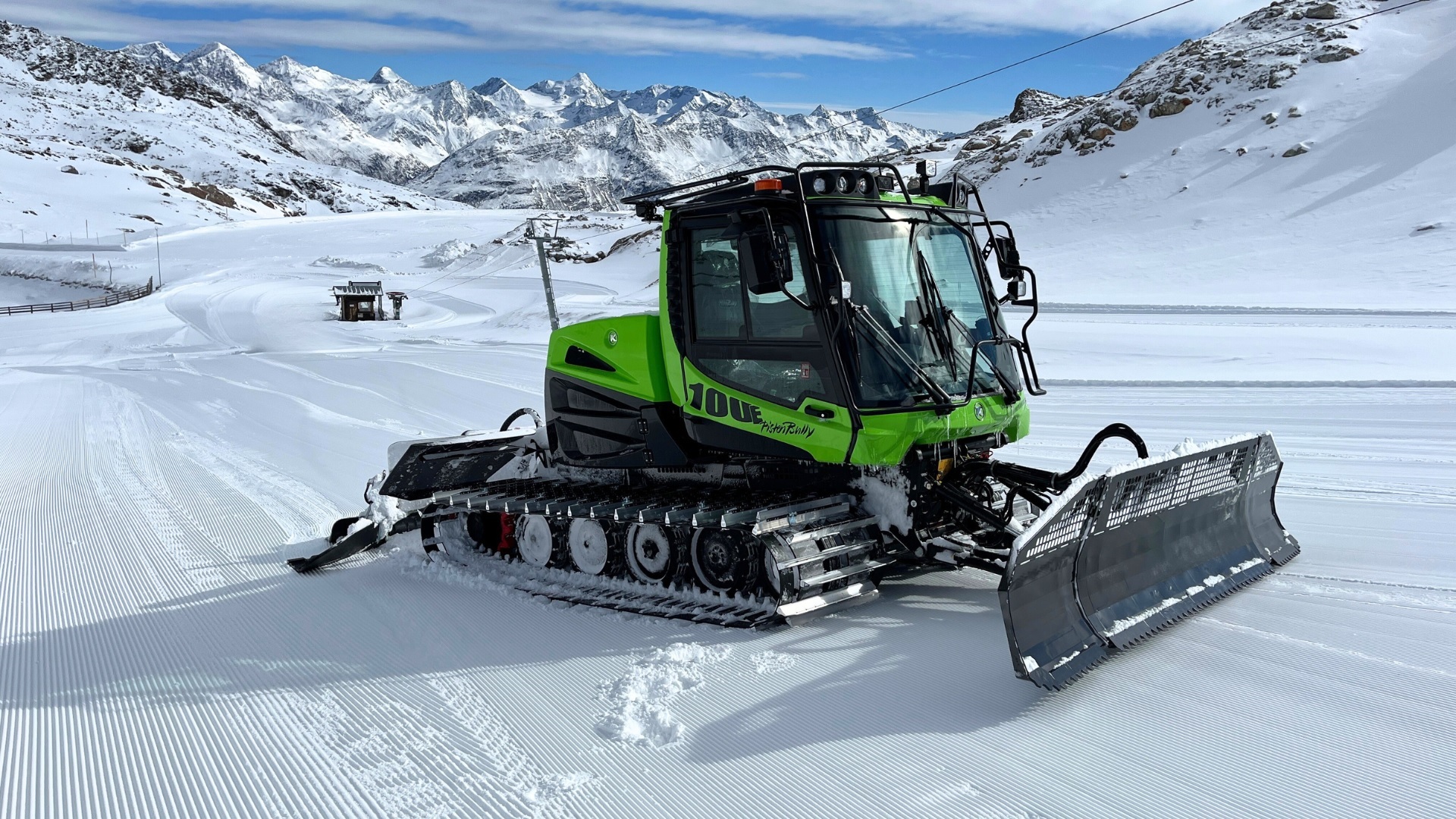
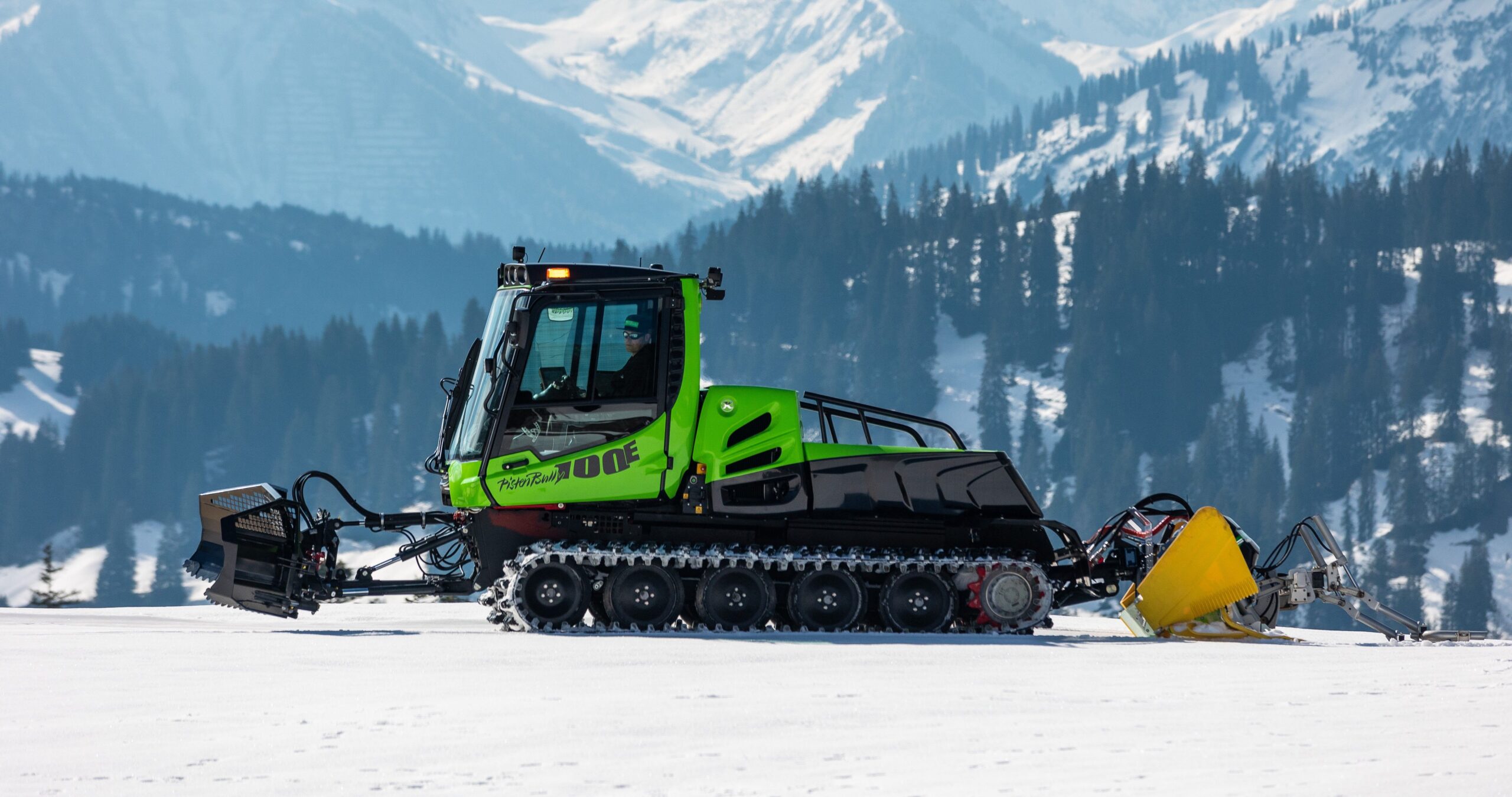
A key element of this strategy is the PistenBully 100 E, the first fully electric snow-grooming machine developed by the German manufacturer. Designed for grooming ski slopes and cross-country skiing trails—as well as other snow-covered surfaces—this machine replaces the traditional diesel engine with an electric powertrain boasting an output of 200 kW (272 hp).
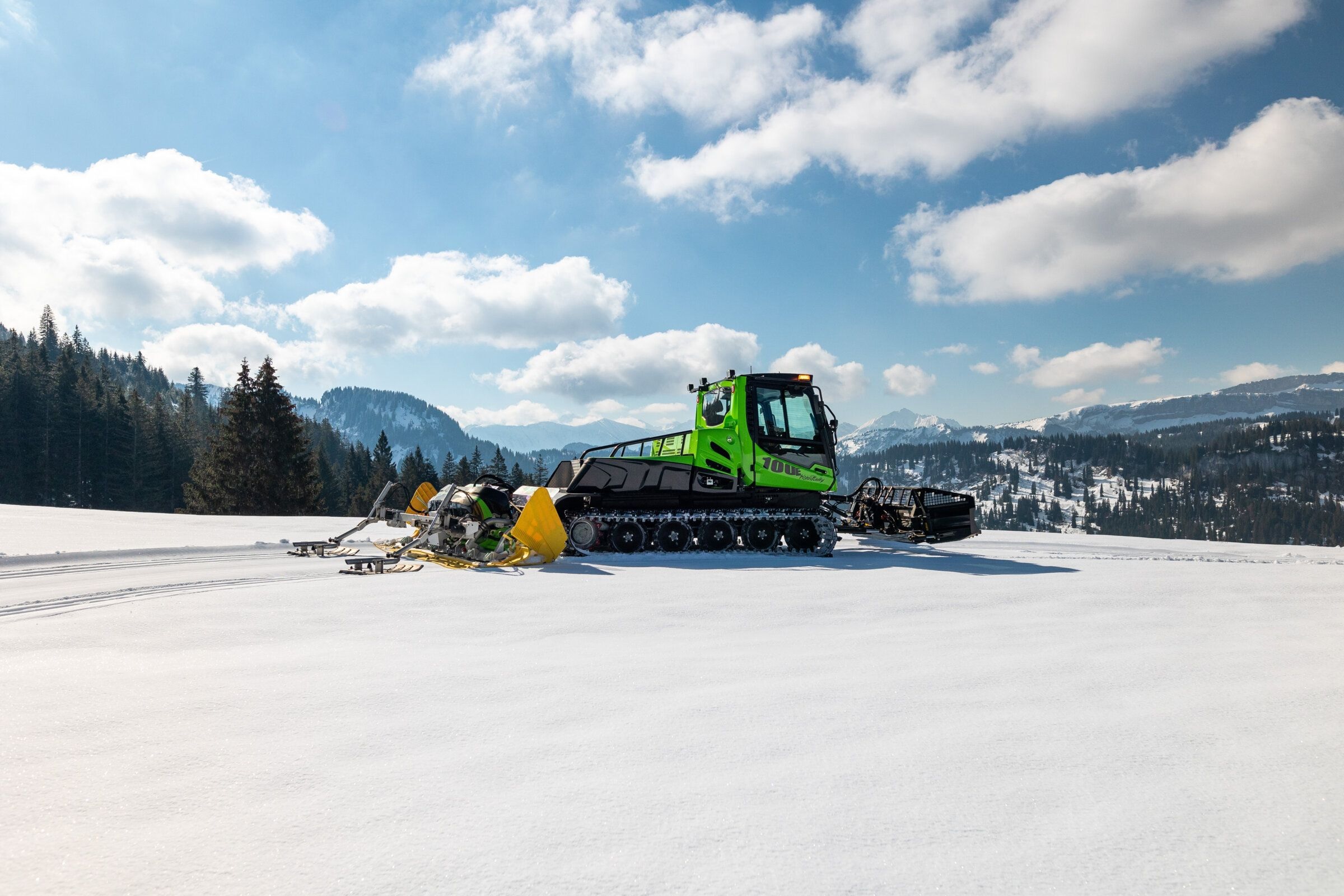
To power its electric motors, Kässbohrer has opted for a battery with a capacity of 196 kWh and an 800-volt electrical architecture. This energy capacity is comparable to that of approximately four urban electric vehicles equipped with 50 kWh batteries. According to the manufacturer, the machine can operate for up to three hours on a single charge, though this duration may vary depending on terrain conditions and the energy required to process the snow. It has a maximum speed of 20 kilometers per hour and features a regenerative braking system that allows for the recovery of some energy during descents.
One of its most notable characteristics is that electricity is not used solely to drive the tracks; the system responsible for working and conditioning the snow at the rear is also powered by an electric motor. According to Kässbohrer, the implementation of a direct power transmission system results in an efficiency increase of approximately 20% compared to conventional hydrostatic systems.
The battery can be recharged in approximately 90 minutes.
The PistenBully 100 E model supports charging capacities of up to 22 kW for alternating current (AC) and up to 150 kW for direct current (DC). With the latter option, the manufacturer states a charging time of approximately one and a half hours, which would allow for energy replenishment between work shifts.
The absence of a combustion engine reduces the noise generated during slope preparation. This feature is particularly valuable for resorts located near urban areas or hotels, given that a significant portion of these operations takes place during the night or early morning hours.
The objective extends well beyond snow-grooming machines.
The collaboration between Kässbohrer and ChargePoint goes beyond simply installing chargers for this type of machinery. Both companies aim to provide ski resorts with a comprehensive solution that enables the electrification of other maintenance and service vehicles, as well as the implementation of charging points for skiers who arrive at the facilities in their own electric vehicles.
In this way, resort managers can centrally oversee various energy needs through a single provider. While professional vehicles undergo maintenance, visitors can take advantage of the time they spend skiing to recharge their own cars.
John Saffrett, a representative for ChargePoint in Europe, noted that electrification is now reaching heavy-duty vehicles that operate under particularly demanding conditions. Meanwhile, Tim Estelmann, Kässbohrer’s product manager, emphasizes that having an adequate charging infrastructure is essential to ensuring the reliability of these machines in mountain resort environments. Although the agreement between the two companies has already come into effect, it has not yet been disclosed which ski resorts will be the first to adopt these solutions, nor the number of charging points that will be installed. Furthermore, the investment required to carry out this transformation has not been specified; its success will depend largely on the capacity of the electrical infrastructure and the ability to adjust work shifts to accommodate charging times.
Escrito por José Miguel Fernández Gómez.