

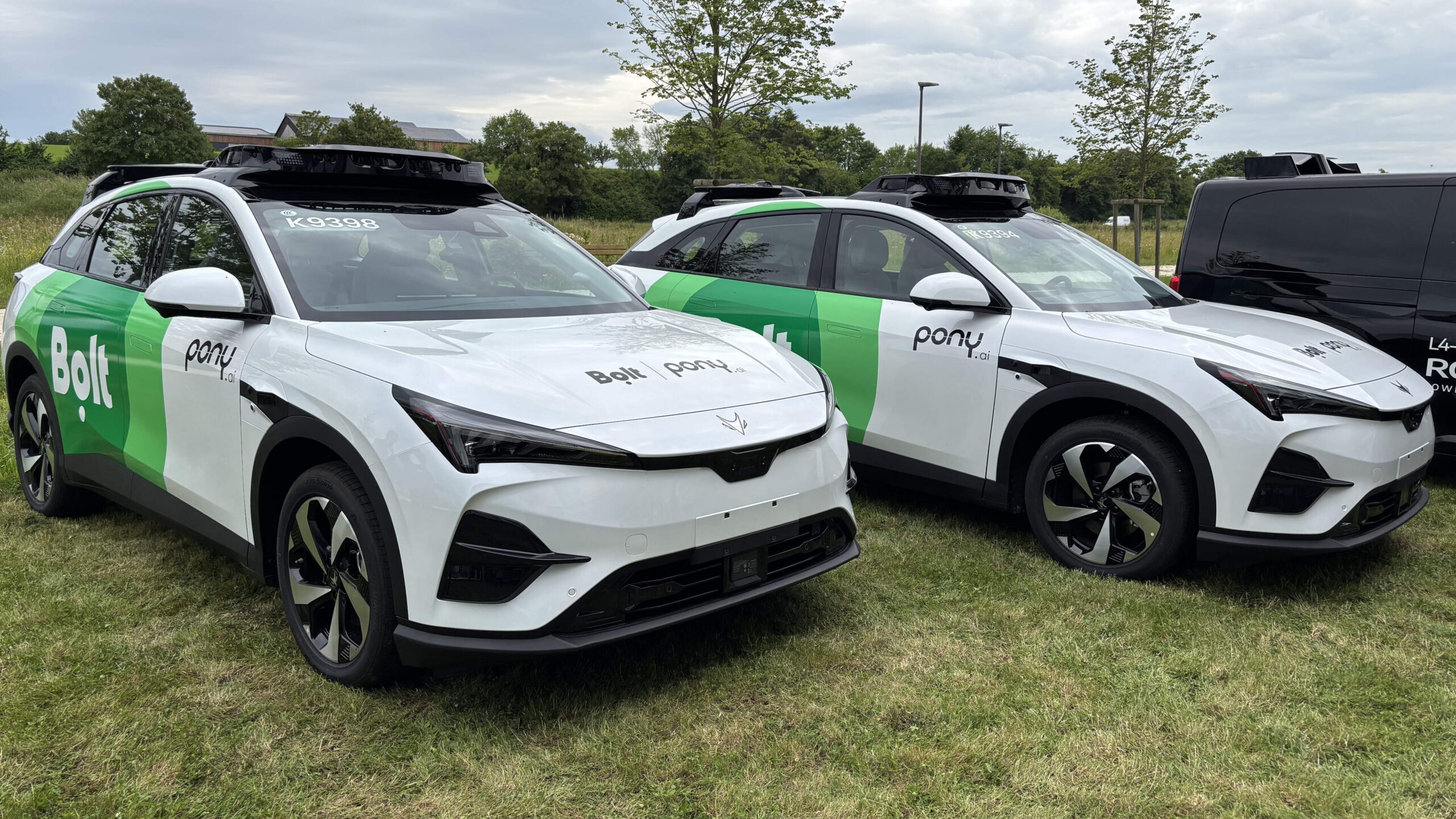
Bolt launches an autonomous ride-sharing service in Luxembourg
In accordance with a national scientific authorization issued by the Government of Luxembourg, which took effect on November 1, the vehicles are currently operating in real-world urban traffic conditions on public roads in the municipalities of Bissen and Niederanven. According to a statement released by Bolt, a qualified safety operator is guaranteed to be on board at all times.
Luxembourg serves as the starting point for the implementation of this service, which includes a comprehensive evaluation of the autonomous mobility services ecosystem. The program begins with five vehicles and is expected to expand gradually—increasing both the fleet size and the operational area—as each phase demonstrates its effectiveness in real-world conditions, according to the partners. As shown in the accompanying images, the vehicles in use are battery-electric SUVs—specifically, the Arcfox Alpha T5 model. Arcfox is an electric vehicle brand owned by the Chinese manufacturer BAIC.
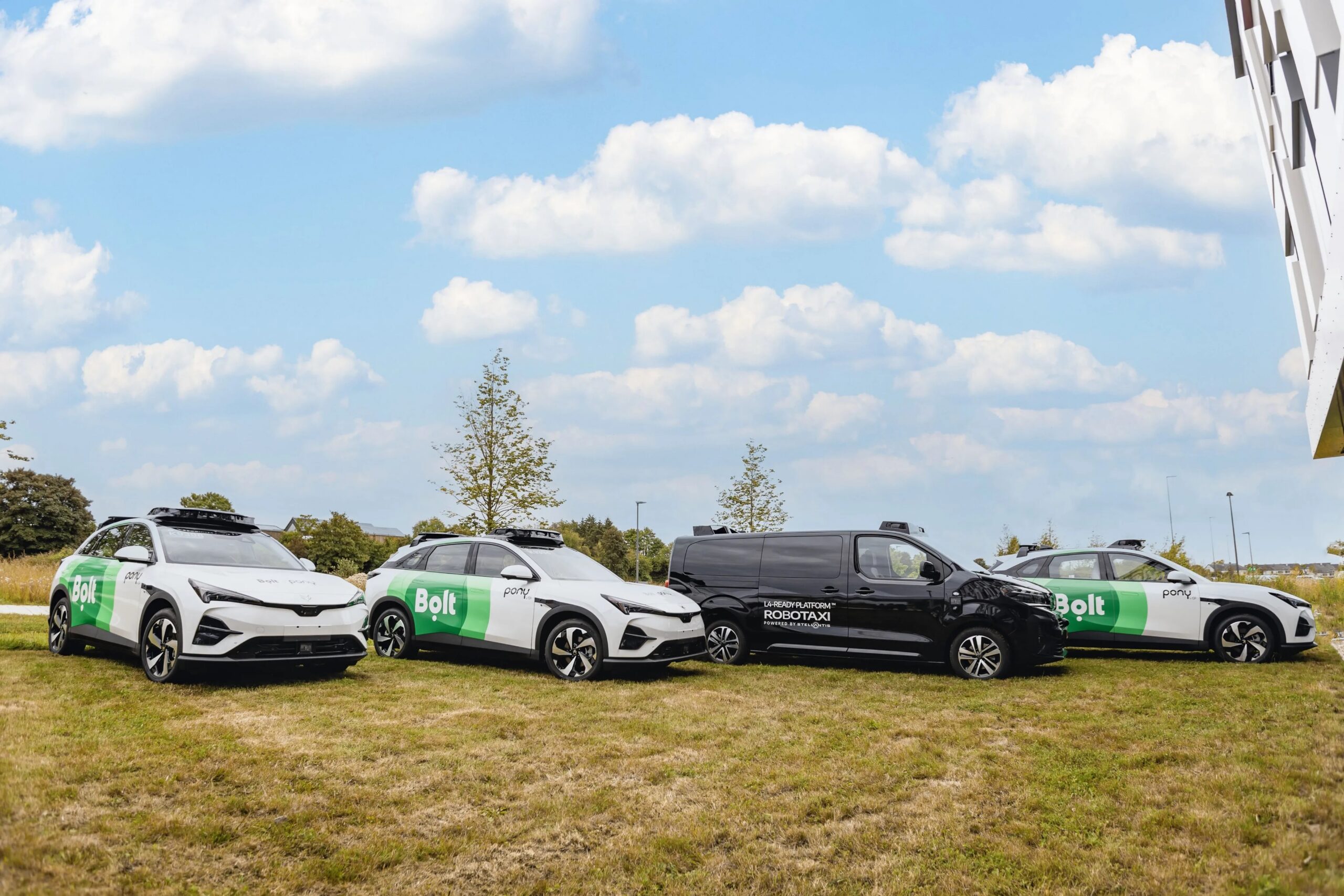
The Luxembourg program, announced mid-year, is part of a collaboration between Bolt, Pony.ai, and Stellantis to introduce autonomous vehicles in Europe. Their pilot program, dubbed "Living Lab," focuses on the vehicles themselves, their integration into ride-sharing platforms, and the coordination of regulatory requirements. The three companies aim to establish the necessary conditions for fully automated, Level 4 driving by the end of the program—a stage at which a safety driver would no longer be required on board.
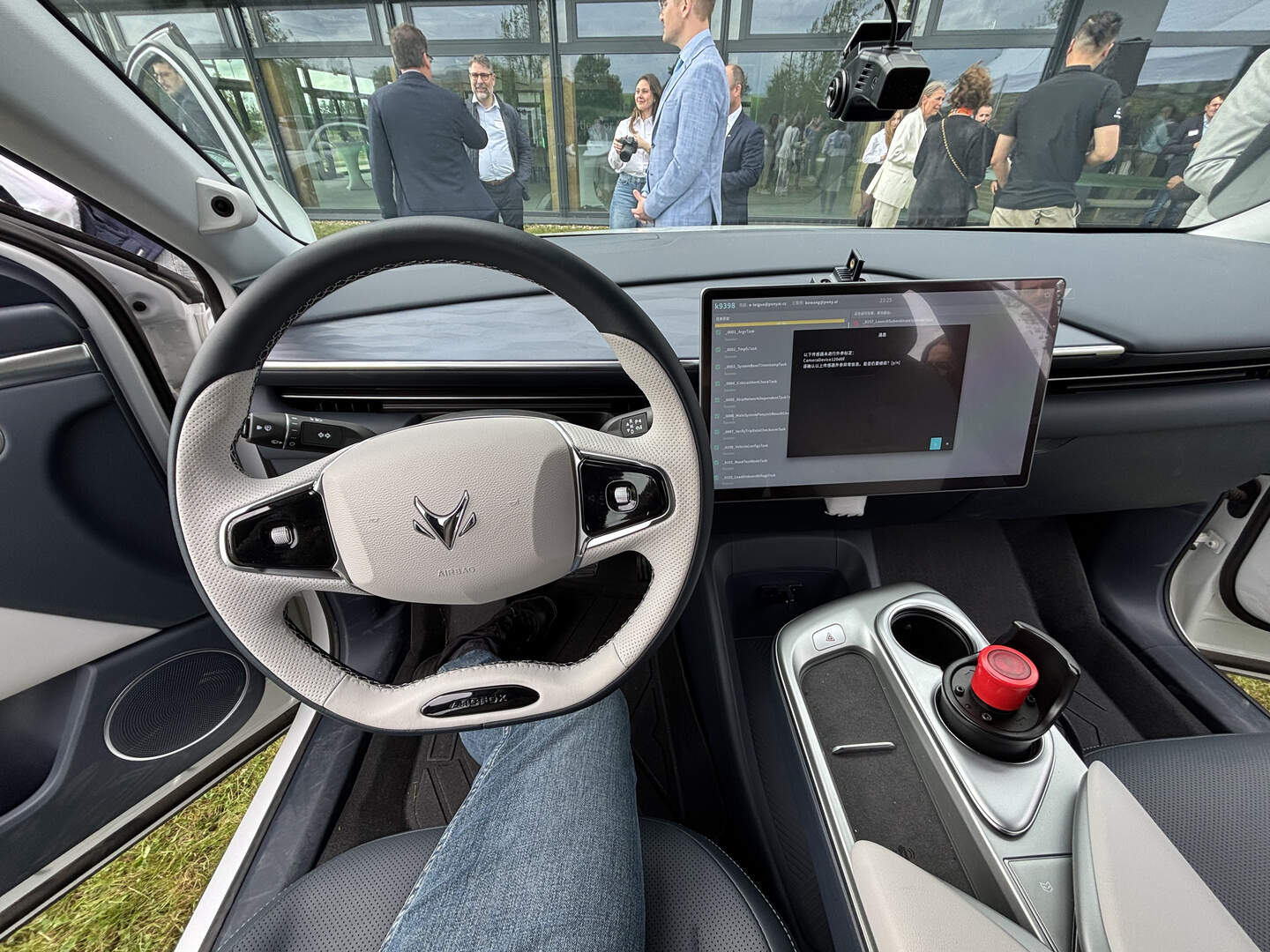
To this end, Stellantis provides its "Level 4-ready" platforms and automotive technology. Bolt contributes its expertise in on-demand transport services, while Pony.ai provides its autonomous driving technologies. The joint participation of these three entities in this specific pilot project is no mere coincidence. It should be noted that, in the past, Bolt and Stellantis, as well as Stellantis and Pony.ai—and also Bolt and Pony.ai—had already joined forces to explore autonomous mobility services in Europe. Consequently, these bilateral collaborations have evolved into a tripartite partnership with a concrete project structure.